


Understanding Distractions: Types and Sources
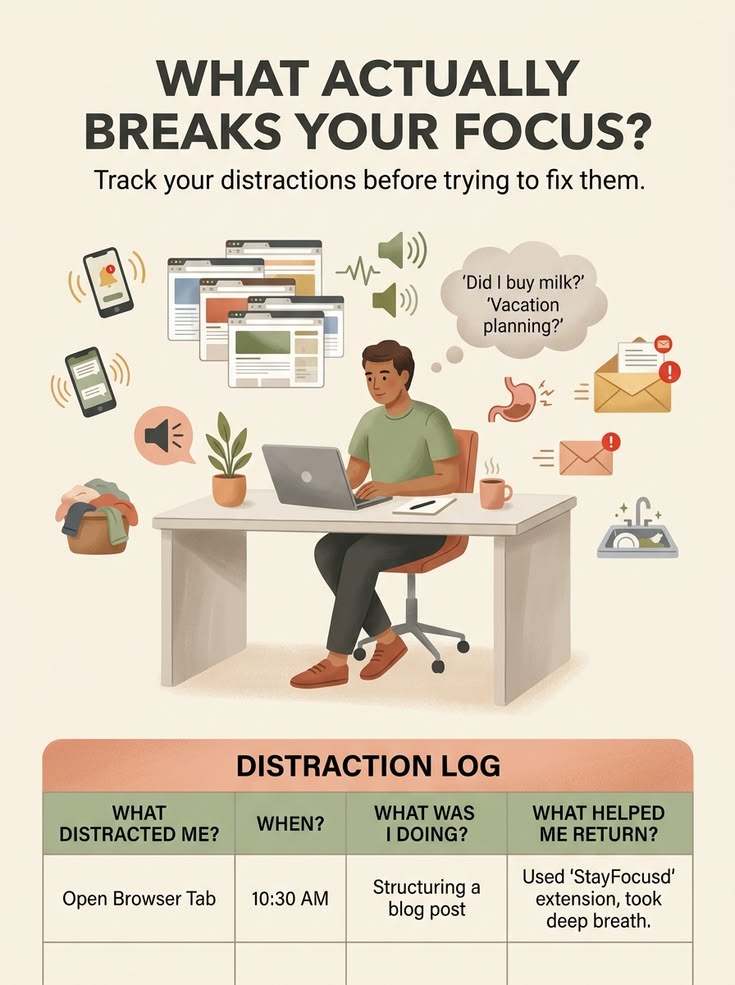
In today’s fast-paced world, distractions are ubiquitous and can significantly impede productivity. To effectively minimize daily distractions, it is essential to recognize the different types that individuals commonly encounter. Distractions can be broadly categorized into three main types: digital distractions, environmental distractions, and internal distractions. Digital distractions have become increasingly prevalent, fueled by the pervasive use of technology. Social media platforms, constant notifications from applications, and the allure of browsing the internet contribute to a fragmented focus. Individuals often find themselves checking their phones or responding to messages during crucial tasks, which diverts their attention and interrupts their workflow. These digital interruptions not only consume time but also reduce overall work efficiency.
Environmental distractions encompass elements in one’s surroundings that can disrupt concentration. Noisy environments, such as open offices or bustling cafes, can make it challenging to maintain a focus on tasks. Additionally, physical clutter in a workspace can serve as a constant reminder of unfinished tasks and can overwhelm the mind, thereby hindering productivity. An organized and quiet workspace often facilitates better concentration and efficiency.
Internal distractions, on the other hand, stem from one’s mental state. Stress, anxiety, and wandering thoughts can significantly distract individuals from their tasks at hand. This internal noise often exacerbates feelings of overwhelm and can lead to decreased motivation. Understanding personal triggers that lead to these distractions is crucial, as it empowers individuals to implement targeted strategies to combat them effectively.
By exploring these various types of distractions, individuals can begin to identify which influences their productivity most significantly. This understanding serves as a foundational step towards developing effective strategies to minimize or eliminate these distractions from their daily routines.
Setting Clear Goals and Priorities
Establishing clear daily goals is a fundamental strategy for minimizing distractions and enhancing productivity. When individuals have a well-defined set of objectives, they are more likely to direct their attention toward accomplishing those tasks rather than becoming sidetracked by less critical activities. The process begins with outlining specific, measurable, achievable, relevant, and time-bound (SMART) goals. This framework not only clarifies what needs to be accomplished but also sets a realistic roadmap for achieving those outcomes.
Prioritizing tasks is another essential component in the quest for maintaining focus throughout the day. By categorizing tasks into urgent and important, individuals can create a hierarchy that informs their daily actions. This prioritization can be achieved through various methods, such as the Eisenhower Matrix, which helps differentiate between tasks that are urgent versus those that are merely important. This distinction is crucial, as focusing solely on what seems urgent may lead to neglecting tasks that contribute significantly to long-term goals.
Once goals and priorities are established, individuals should consider employing tools like to-do lists or digital applications designed to aid in task management. These tools can provide a visual cue and help keep goals at the forefront, thereby minimizing the likelihood of being distracted by unrelated activities. It is also beneficial to regularly review and adjust goals as needed; as circumstances change, flexibility can enhance overall focus and productivity.
In essence, setting clear goals and establishing priorities is a proactive approach to managing distractions. By taking the time to clarify objectives and arrange them according to their significance, individuals position themselves to not only enhance their productivity but also maintain the motivation necessary to stay on course amid the daily challenges they may face.
Creating a Dedicated Workspace
In an increasingly distracted world, the significance of having a well-organized workspace cannot be overstated. A dedicated workspace serves as a sanctuary for productivity, allowing individuals to focus on tasks without the interference of external stimuli. By setting up a space that is conducive to concentration, one can effectively minimize daily distractions and enhance overall efficiency.
First and foremost, decluttering the physical workspace is essential. Clutter can overwhelm the mind, leading to decreased focus and increased stress. Begin by assessing items in the workspace and removing any unnecessary objects. It is advisable to keep only those items that are directly related to the current projects or tasks. This not only reduces visual distractions but also creates a more inviting environment for concentration.
Once the workspace is decluttered, the arrangement of furniture and tools should be thoughtfully considered. Positioning the desk in a way that minimizes exposure to high-traffic areas can help avoid interruptions. Additionally, having essential tools and resources within arm’s reach limits the need to get up frequently, which can break concentration. Consider using organizers, shelves, or drawers to keep commonly used items neatly stored and easily accessible.
Lighting is another crucial aspect of a dedicated workspace. An environment with suitable lighting can significantly influence focus levels. Natural light is preferred; however, if this is not possible, investing in good quality desk lamps with adjustable brightness can help create the right atmosphere. Similarly, consider using colors that promote calmness and concentration, such as soft blues or greens, to paint the walls or to incorporate into decor.
Lastly, personalizing the workspace can also contribute positively. Incorporating motivational quotes, plants, or small personal mementos can make the space feel more comfortable, helping to foster a sense of ownership and motivation within the workspace. By taking these steps to create a dedicated workspace, distractions can be minimized, enabling individuals to focus more intently on their tasks.
Implementing the Pomodoro Technique
The Pomodoro Technique is a widely recognized time management method developed by Francesco Cirillo in the late 1980s. At its core, this technique promotes the idea of breaking work into manageable intervals, traditionally set at 25 minutes, separated by short breaks. These periods of focused work are referred to as “Pomodoros,” named after the tomato-shaped kitchen timer that Cirillo used during his university days.
To begin implementing the Pomodoro Technique, one should first identify tasks that require focus and attention. Once a task is selected, you set a timer for 25 minutes. During this time frame, the goal is to work intently on the task at hand, minimizing any external distractions that may arise. The focus here is on maintaining concentration, which can substantially enhance productivity and performance.
After the 25-minute work interval concludes, a short break of about five minutes is taken. This pause is crucial as it allows the mind to rest and refresh, reducing the likelihood of burnout or mental fatigue. During this break, it is advisable to step away from the workspace, engage in light physical activity, or practice mindfulness. This rejuvenation period contributes to sustainable productivity levels.
The effectiveness of the Pomodoro Technique lies in its simplicity and disciplined approach to time management. By segmenting work into defined intervals, individuals can create a sense of urgency, which often leads to greater focus and efficiency. Moreover, by using designated breaks, workers can prevent the overwhelming feeling that sometimes accompanies long stretches of continuous work.
As one becomes accustomed to this method, adjustments can be made. Some may find that they benefit from longer work intervals or additional breaks, while others may prefer to stick to the traditional 25/5 minute structure. Ultimately, the Pomodoro Technique is about finding the right balance that caters to individual working styles, fostering an environment where focus can thrive.
Utilizing Technology to Stay Focused
In today’s fast-paced digital environment, distractions can be pervasive and often overwhelming. Fortunately, technology offers an array of tools specifically designed to help individuals maintain focus and minimize interruptions. By leveraging these applications and platforms, users can create a more conducive work or study atmosphere.
One type of tool that has gained popularity is website blockers. These applications allow users to restrict access to distracting websites during designated times, effectively removing temptations that may disrupt concentration. Popular options include Cold Turkey, Freedom, and StayFocusd, each providing customizable features that cater to individual needs. By blocking certain sites, users can redirect their attention toward productive tasks, thereby enhancing overall efficiency.
Another valuable technology is productivity timers, which implement the Pomodoro Technique, a time management method that encourages focused work sessions followed by short breaks. Tools such as Focus@Will and Be Focused not only help track time but also provide a structured approach to completing tasks. By breaking work into intervals, individuals can maintain motivation and reduce the likelihood of burnout.
In addition to these tools, various task management applications like Trello, Asana, or Todoist can help individuals organize their responsibilities effectively. These platforms enable users to create lists, set deadlines, and prioritize tasks, ensuring a clear focus on what requires attention. By having a plan in place, distractions are less likely to derail productivity.
Moreover, it is essential to recognize that when used wisely, technology can be more than a source of distractions; it can serve as a powerful ally in the pursuit of focus. Setting appropriate boundaries with technology—such as silencing notifications or using apps during specific hours—can help maintain a productive environment. Therefore, by integrating these tools into daily routines, individuals can enhance their ability to concentrate and achieve their goals efficiently.
Developing Mindfulness Practices
In today’s fast-paced environment, distractions are prevalent, making it crucial for individuals to cultivate mindfulness practices that enhance focus and attention. Mindfulness involves being fully present in the moment and acknowledging one’s thoughts and feelings without judgment. Incorporating mindfulness into daily routines can significantly reduce the tendency to become distracted.
One effective method for developing mindfulness is through meditation. Regular meditation practice can strengthen the mind’s ability to concentrate. Beginners may start with short sessions, focusing on their breath for five to ten minutes daily. As one becomes more comfortable with meditation, the duration can be gradually increased. Visualization techniques can also be employed, where one imagines a serene environment, helping to further decrease distractions.
Another practical exercise is the practice of mindful observation. This involves taking a moment to observe one’s surroundings intentionally, paying attention to details such as sounds, sights, and even scents. By engaging in mindful observation, individuals can train their minds to focus on the present, which reduces the urge to become distracted by external stimuli.
In addition to meditation and observation, body scanning is a useful technique. This exercise involves mentally scanning one’s body, starting from the toes and moving up to the head, noticing tension or discomfort along the way. This practice fosters a deeper connection with one’s body and enhances awareness, further minimizing the susceptibility to distractions.
Finally, it is essential to create a dedicated space and time for mindfulness practices. By establishing a routine, individuals can make mindfulness an integral part of their lives, significantly enhancing their ability to maintain focus throughout the day. As distractions become less overwhelming, productivity and clarity of thought are likely to improve.
Establishing Boundaries with Digital Devices
In today’s fast-paced digital world, smartphones and computers are integral to our daily lives. However, they also serve as significant sources of distraction, often hindering productivity. To navigate these distractions effectively, it is crucial to establish clear boundaries with our digital devices.
One of the first steps in minimizing distractions is managing notifications. Constant alerts from various applications can create a sense of urgency that pulls users away from their tasks. To counter this, individuals should consider turning off non-essential notifications. This can include social media alerts or app updates that do not require immediate attention. By limiting notifications to only the most critical and relevant, users can maintain a more focused environment.
Alongside notification management, setting specific times for social media usage can further enhance concentration. Instead of allowing social platforms to dictate our attention, individuals should designate particular times during the day to engage with these services. This strategy not only curbs impulsive browsing but also reinforces a healthier relationship with technology.
Another effective strategy is creating ‘phone-free’ zones within one’s physical space. Identifying areas in the home or workplace where digital devices are not allowed can significantly reduce distractions. For example, maintaining a phone-free zone during meals or in specific areas dedicated to work can foster better engagement with tasks and promote face-to-face interactions.
Additionally, integrating focus-enhancing tools, such as apps that block distractions during work hours, can further solidify these boundaries. Such tools can help in reinforcing the commitment to stay focused and on-task, minimizing the temptation to check devices repetitively.
In conclusion, establishing boundaries with smartphones and computers is essential for individuals seeking to minimize daily distractions. By managing notifications, limiting social media use, and creating designated device-free environments, individuals can enhance their productivity and focus on their core tasks more effectively.
Creating a Routine to Manage Time Effectively
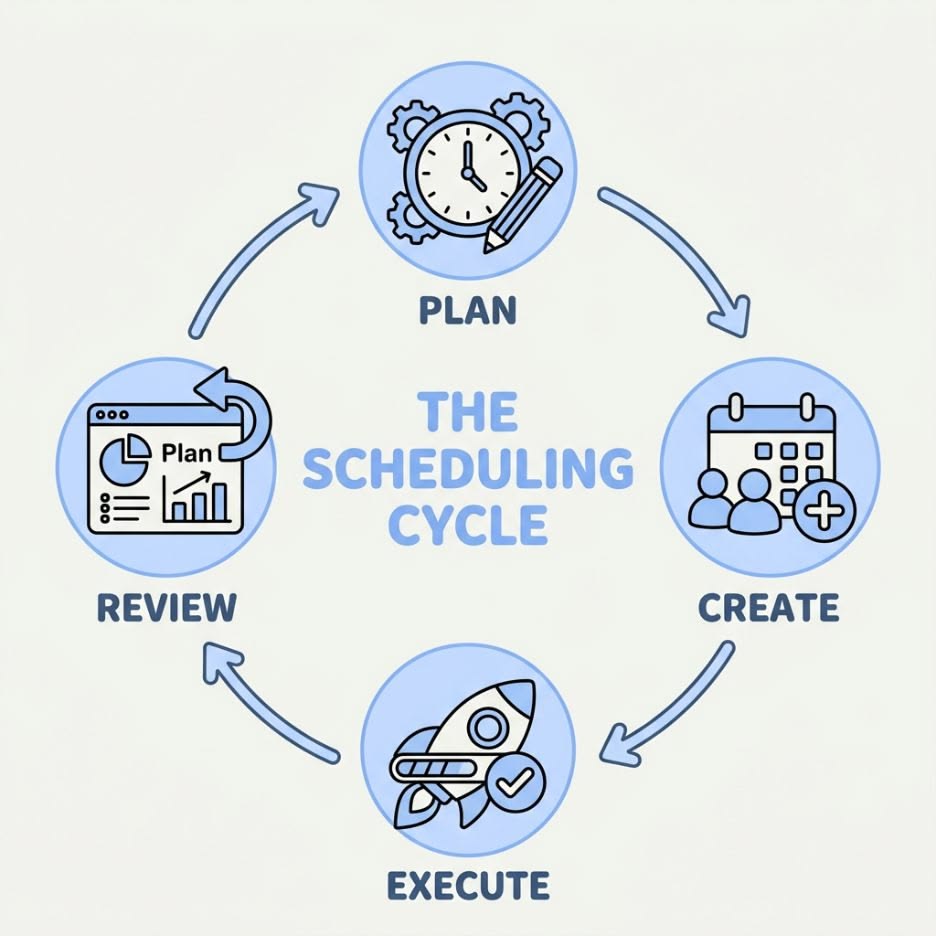
Establishing a daily routine is a fundamental strategy for managing time effectively and minimizing distractions throughout the day. A well-structured routine allocates specific periods for tasks and activities, allowing individuals to focus on one thing at a time. By defining clear blocks of time dedicated to work, breaks, and personal activities, a structured routine helps to streamline efforts and can improve overall productivity.
One of the primary benefits of having a daily routine is the creation of a predictable schedule. When you know what to expect, it becomes easier to mentally prepare for different tasks, reducing the likelihood of distractions arising from uncertainty or lack of direction. For instance, if each day begins with a set period for essential tasks, you can foster a mindset that prioritizes focus during that time. This predictive environment cultivates discipline, allowing individuals to stay on track with their goals.
Furthermore, a structured day often incorporates short breaks, which are essential for maintaining concentration and preventing burnout. Scheduled breaks give the mind a chance to recharge, making it more feasible to stay engaged with subsequent tasks. This balance between work and rest can also enhance creativity, as stepping away from work for a few minutes often leads to renewed perspectives and solutions.
Moreover, the act of adhering to a routine can serve to build positive habits. By consistently allocating time to particular activities, individuals can gradually transform tasks that may initially feel burdensome into more manageable and automatic behaviors. Over time, these habits can contribute to improved efficiency and a reduced propensity for distractions, as tasks become more ingrained in daily life.
By creating a routine to manage time effectively, individuals not only clarify their objectives but also lay the groundwork for sustained focus throughout the day. This structure ultimately leads to greater satisfaction with one’s achievements and progress, making it an invaluable strategy for navigating daily challenges.
Reflecting on Progress and Adjusting Strategies
To effectively minimize daily distractions, it is crucial to engage in regular self-reflection and assessment of personal progress. By dedicating time to evaluate what strategies are working and which ones are not, individuals can create a plan tailored to their unique circumstances and surroundings. Reflecting on one’s own progress not only helps in identifying effective methods but also reinforces positive habits over time.
A structured approach to progress assessment can make this process easier. Consider keeping a journal or log that notes daily distractions, feelings of productivity, and the effectiveness of different strategies employed. Reviewing this log regularly can provide insights into patterns and trends that can inform future adjustments. For example, if specific distractions are consistently noted, one can work to eliminate or reduce them purposefully, allowing for a more focused work environment.
Additionally, being adaptable is key in this ongoing journey towards minimizing distractions. Not every method will yield the same results for everyone, and as life circumstances change, so should the strategies used to combat distractions. It is important to remain open to experimenting with new approaches and integrating them into one’s daily routine. This adaptability can lead to increased motivation and a more significant commitment to maintaining a distraction-free environment.
Moreover, reflecting on progress fosters a growth mindset. Acknowledging both achievements and setbacks provides opportunities for learning and improvement. It is beneficial to celebrate small victories, as they can bolster confidence and encourage further efforts. In contrast, analyzing setbacks can reveal valuable lessons that contribute to future success.
In conclusion, regular reflection and adaptability are essential components of minimizing distractions in daily life. By assessing personal progress and being willing to adjust strategies accordingly, individuals can create lasting changes that enhance their focus and productivity.