Understanding the Importance of Scheduling
Effective scheduling plays a crucial role in enhancing personal productivity and managing stress levels. In today’s fast-paced environment, where demands on our time continue to grow, having a well-structured schedule is paramount. A well-organized schedule not only improves focus but also provides clarity regarding daily tasks and responsibilities.
When individuals take time to create a thought-out schedule, they can allocate their time more efficiently. This planning process allows for the prioritization of tasks, ensuring that the most important activities receive the attention they deserve. As a result, one can avoid the chaos often associated with juggling multiple responsibilities. The clarity provided by a structured schedule helps to break down overwhelming tasks into manageable segments, making it easier to approach each one without feeling burdened.
Moreover, effective scheduling contributes significantly to better time management. By dedicating specific time slots for tasks, individuals can avoid the pitfalls of procrastination. This commitment to adhering to a timetable encourages discipline and fosters accountability, both of which are integral to achieving personal and professional goals. Furthermore, a well-maintained schedule allows individuals to anticipate potential challenges and make necessary adjustments, enabling them to stay on track despite unforeseen interruptions.
In essence, understanding the importance of scheduling is fundamental to enhancing overall productivity and reducing stress. By investing time in crafting an organized schedule, individuals can enjoy a more manageable daily routine, which ultimately leads to improved life satisfaction. Taking these steps not only facilitates effective time management but also fosters a healthier balance between work and personal life. Consequently, the positive impact of effective scheduling cannot be understated, as it lays the groundwork for sustained productivity and well-being.
Assessing Your Current Scheduling Habits
In the quest for efficient time management, evaluating your current scheduling practices is essential. This self-assessment enables an understanding of your daily routines and habits, allowing for meaningful adjustments that enhance productivity. Start by documenting your daily activities for a week. This exercise will reveal patterns and help you identify time wasters—activities that consume valuable time without providing substantial benefits.
Once you have a clear picture of your current practices, categorize your daily tasks. Divide them into high, medium, and low priority. This task prioritization will help discern which activities genuinely contribute to your goals and which may be unnecessary or redundant. You may find certain tasks that can be delegated or eliminated entirely.
Furthermore, analyze your peak productivity times. Each individual has unique periods during the day when they operate at their most efficient. By identifying these peak times, you can structure your schedule to tackle demanding tasks when you are naturally more alert and focused. On the contrary, schedule routine or less critical tasks for periods when your energy dips.
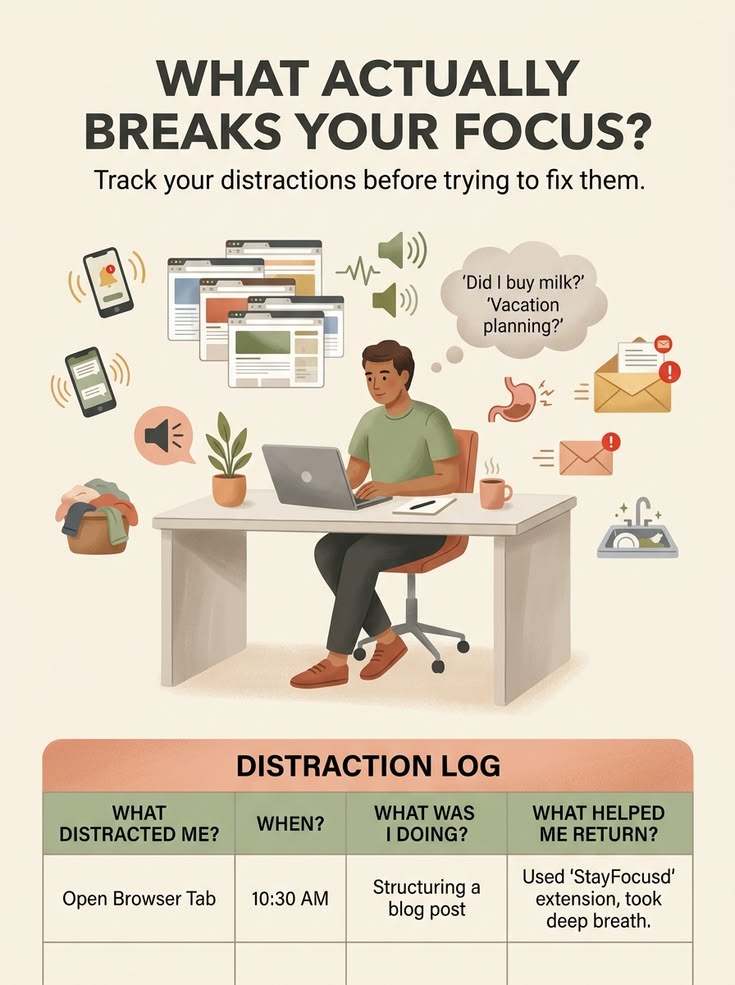
Additionally, consider your decision-making practices throughout the day. Constantly switching between tasks can lead to inefficiency, often referred to as task switching. Try to minimize distractions and allocate specific blocks of time for uninterrupted work. This will further help in creating a more streamlined schedule.
Lastly, reflecting on emotional triggers during the day can provide insights into your productivity cycles. Understanding when you feel overwhelmed or distracted is crucial; recognizing these moments allows you to develop coping strategies or simply adjust your schedule to facilitate better focus. By employing these techniques for evaluating your current scheduling habits, you establish a solid foundation for more efficient time management.
Setting Priorities with the Eisenhower Matrix
The Eisenhower Matrix is a powerful tool designed to assist individuals in prioritizing tasks based on two essential criteria: urgency and importance. This well-regarded method helps streamline daily activities by enabling users to focus on what truly matters, reducing stress and enhancing productivity. In this section, we will outline a step-by-step guide on how to effectively utilize the Eisenhower Matrix.
To begin, draw a rectangle and divide it into four quadrants. Label the top two quadrants as “Urgent and Important” and “Not Urgent but Important,” while the bottom two will be marked as “Urgent but Not Important” and “Not Urgent and Not Important.” This visual representation is instrumental in helping individuals categorize their tasks clearly.
Next, list all your tasks and responsibilities. As you write each item, assess its urgency and importance. A task is considered urgent if it demands immediate attention, while it is deemed important if it contributes significantly to your long-term goals. Take a moment to evaluate where each task fits within the quadrants you have drawn.
Once tasks are categorized, focus on the first quadrant: tasks that are both urgent and important. These should be your highest priority and addressed immediately. For the second quadrant, tasks that are important but not urgent should be scheduled for completion at a later date, ensuring that progress is made without the pressure of urgency. The third quadrant involves tasks that are urgent but not important; consider delegating these tasks if possible, allowing you to save valuable time and resources. Finally, the fourth quadrant contains tasks that are neither urgent nor important. It is advisable to eliminate or minimize these tasks to prevent them from consuming your time.
By employing the Eisenhower Matrix regularly, you can enhance your ability to manage time effectively. This prioritization tool not only aids in making informed decisions about your schedule but also fosters an environment where focus and productivity can flourish. Practicing this method consistently will lead to improved time management skills and better positioning in achieving your goals.
Utilizing Digital Tools and Apps
In today’s fast-paced world, digital tools and applications play a crucial role in effectively managing time and schedules. With a plethora of options available, it is essential to choose the right tools that cater to individual needs and preferences. This section will explore popular digital tools and apps that can help streamline your scheduling processes.
One of the most widely used platforms for scheduling is Google Calendar. This application offers seamless integration with other Google services, allowing users to create events, set reminders, and share calendars with others. One of its key features is the ability to customize notifications; users can choose to receive alerts via email or push notifications on their smartphones. Furthermore, Google Calendar’s user-friendly interface contributes to its popularity, making it accessible for individuals who may not be tech-savvy.
Another excellent tool for scheduling is Trello. While primarily known as a task management app, Trello allows users to create boards that can function as calendars. Each task can have due dates, checklists, and attachments, combining scheduling and project management in one platform. Trello’s visual layout makes it easy to track progress and gives users an overview of their commitments. Additionally, its collaboration features enable teams to coordinate tasks efficiently.
For those seeking an app focused specifically on reminders, Todoist is highly recommended. This task management tool allows users to create tasks, set deadlines, and prioritize their to-do lists. Its unique features include natural language processing, which enables users to add tasks by typing phrases like “meeting tomorrow at 10 AM,” making entry quick and intuitive. Todoist also offers integration with other apps, enhancing its functionality for users who rely on multiple tools.
Incorporating these digital tools and apps into daily life can significantly enhance one’s scheduling efficiency. By leveraging technology, individuals can stay organized, manage their time effectively, and reduce the stress associated with juggling multiple responsibilities.
Creating a Weekly Plan
Planning your week in advance is a crucial strategy for maintaining a well-balanced schedule. By taking the time to lay out your commitments, you can more effectively allocate time for professional tasks, personal projects, and leisure activities. This structured approach not only enhances productivity but also helps prevent burnout and overcommitment.
Begin by assessing your priorities for the week. Identify the most important tasks you need to accomplish, whether they pertain to work deadlines or personal responsibilities. Once you have a clear list of priorities, it’s helpful to categorize these tasks. You can divide them into sections, such as urgent work tasks, ongoing personal projects, and leisure activities. This will help you visualize where you need to allocate your time and energy throughout the week.
Next, consider the realistic amount of time each task will require. For work-related tasks, ensure you account not only for the time to complete the tasks but also for any potential interruptions. It is advisable to build in buffer time—short breaks between tasks to refresh your mind. Personal projects may require block scheduling, where you dedicate specific times in your week purely for their completion.
Leisure is essential as well; it should not be neglected in your planning. Include activities that relax you or bring you joy, such as reading, exercise, or spending time with family and friends. Recognizing the importance of leisure activities in your weekly schedule can foster better work-life balance, contributing to enhanced overall well-being.
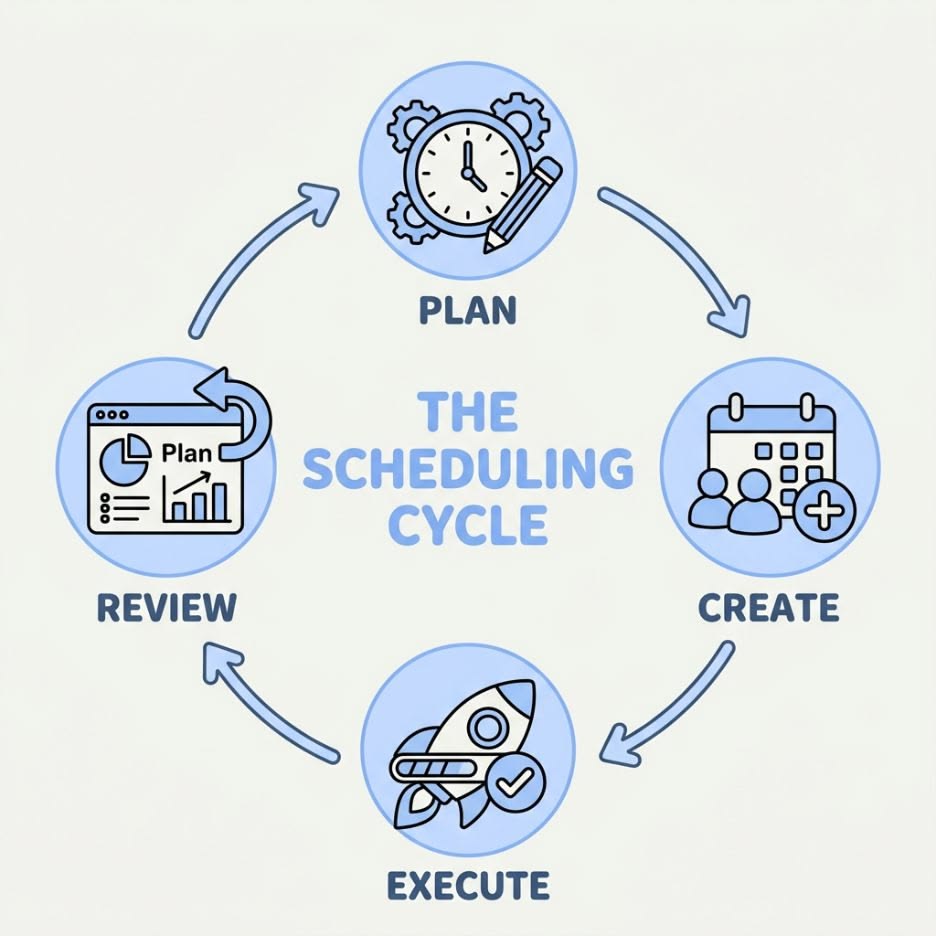
Finally, once your weekly plan is complete, review it regularly or at the end of each week. Adjustments can be made based on what worked and what didn’t. This iterative approach will refine your scheduling process over time, leading to increased efficiency and satisfaction.
Using Time Blocking Techniques
Time blocking is a highly effective scheduling method that helps individuals allocate specific blocks of time to different tasks or activities. This approach allows for a more structured day, minimizing distractions and enhancing overall productivity. To implement time blocking effectively, one must first identify key activities and responsibilities that require dedicated focus.
The initial step in utilizing time blocking is to create a comprehensive list of all tasks that need attention. This can include work-related projects, personal commitments, and even leisure activities. Once the tasks are identified, the next step is to estimate the time each task will require. Understanding the duration of each activity allows for better allocation within the schedule.
After establishing a list with time estimates, the next phase involves prioritization. Not all tasks bear equal importance; therefore, determining which activities hold higher priority is crucial. This often requires evaluating deadlines and the potential impact of each task on overall goals.
Now that priorities are set, it is time to assign specific time blocks for each task. It is essential to consider one’s personal productivity patterns—some individuals work best in the morning, while others may find late afternoons more conducive for focus. Assigning time blocks according to these patterns can significantly enhance efficiency.
It is advisable to include buffer time between blocks; this accommodates any unforeseen interruptions or the need for breaks, which ultimately sustains productivity throughout the day. Additionally, should distractions arise, such as notifications from devices, creating a distraction-free environment during these time blocks is essential.
Weekly reviews of the time-blocking schedule can provide insights into what worked and what didn’t, allowing for continuous improvement in managing one’s schedule. In conclusion, by effectively implementing time blocking techniques, individuals can streamline their schedules, reduce stress, and improve focus and productivity.
The Role of Flexibility in Scheduling
In today’s fast-paced world, the ability to remain flexible with scheduling is not only advantageous but necessary for achieving personal and professional goals. While having a structured schedule can enhance productivity, it is the element of flexibility that often enables individuals to effectively respond to unexpected changes and shifting priorities.
Flexibility allows individuals to navigate the unpredictability of daily life. Whether it is a sudden meeting request or an unexpected personal commitment, the capacity to adapt plans can significantly reduce stress and enhance overall well-being. It is essential to recognize that life can present challenges that may disrupt even the most carefully constructed plans. Therefore, incorporating flexibility into scheduling fosters resilience and promotes a healthier work-life balance.
To effectively integrate flexibility into one’s schedule, consider the following strategies. First, adopt a mindset that prioritizes adaptability; accepting that change is a common occurrence helps lessen frustration and anxiety when alterations become necessary. Additionally, it is beneficial to allocate buffer times within daily plans. These buffers can serve as gaps for unforeseen tasks or overruns, allowing for a smoother transition when adjustments are required.
Another effective strategy is to periodically review and reassess priorities. As tasks and responsibilities evolve, so too should one’s schedule. Regular evaluations of your commitments can help identify which activities are most important, thereby allowing for easier renegotiation of time allocations as needed. Utilizing digital tools for scheduling can further enhance adaptability, facilitating efficient modifications and reminders.
Ultimately, maintaining a balance between structure and adaptability within a schedule is vital. Organizing time effectively is important, but an inflexible approach can lead to burnout and dissatisfaction. Embracing flexibility not only enhances productivity but contributes to a more harmonious life experience. By acknowledging the role of flexibility, individuals can better navigate their days and achieve their goals with greater ease.
Incorporating Breaks and Downtime
In an increasingly fast-paced work environment, the significance of incorporating breaks into your schedule cannot be overstated. Regular pauses provide an essential opportunity to recharge, improving overall productivity and efficiency. By strategically scheduling breaks, one can enhance focus and mitigate mental fatigue, which can accumulate during prolonged work periods.
To effectively integrate breaks into your workday, consider the following strategies. First, the Pomodoro Technique is a widely recognized method that involves working for 25 minutes followed by a 5-minute break. This structure not only helps to maintain sustained concentration but also introduces short intervals of downtime that can rejuvenate the mind, making the subsequent work periods more effective.
Another approach to consider is the timing and length of breaks. Research suggests that longer, more substantial breaks—such as a 15 to 30-minute break every 90 minutes of work—can lead to increased productivity. During these breaks, engage in activities that divert your attention away from work. This may include a walk, meditation, or simply stretching your legs. The key is to choose activities that provide a mental reset and help reduce stress.
Incorporating mindfulness practices during breaks can also be beneficial. Taking a few moments to practice deep breathing or mindful observation can help refocus your energy and maintain a balanced mental state throughout the day. These techniques not only contribute to a more relaxed state of mind but also foster a heightened sense of clarity when returning to tasks.
Finally, it’s important to create an environment that encourages taking breaks. Inform colleagues of your break times or set reminders to ensure that you prioritize these intervals. By recognizing the importance of breaks and implementing them into your scheduling strategy, you can significantly enhance your performance and overall well-being in the workplace.
Reviewing and Adjusting Your Schedule Regularly
To effectively manage your time and commitments, it is essential to regularly review and adjust your schedule. This practice serves several purposes: it allows you to stay aligned with your personal and professional goals, respond to changes in your circumstances, and ensures that your time allocations are optimized. A routine audit of your schedule can reveal insights into how you are spending your time and whether it aligns with your priorities.
One effective strategy for conducting a schedule review is to set aside a specific time each week or month to evaluate your ongoing commitments and tasks. During this review, consider asking yourself key questions such as: Are the tasks I am engaging in still relevant to my objectives? Do I have the flexibility to adjust deadlines or delegate responsibilities? This reflective process can help you identify areas where adjustments may enhance your productivity.
When assessing your schedule, it is also beneficial to look for patterns or recurring activities that may no longer serve your goals. For example, if you find you consistently overcommit to meetings that do not add value, you may need to reconsider your attendance or suggest alternative methods of communication. Similarly, if you notice blocks of time that are consistently unproductive, investigate the reasons behind this inefficiency—whether it is due to distractions, lack of focus, or burnout.
Once you have identified necessary changes, implement them immediately. This might involve rearranging tasks, prioritizing certain projects, or even engaging in more leisure activities to rejuvenate your mind. The aim is not only to create a more balanced schedule but also to ensure that it reflects your evolving goals and priorities. Remember that flexibility is key; be open to adjusting your plan as new responsibilities arise or as personal circumstances change. Regular review and adjustment can enhance your ability to manage your time effectively, ensuring that you remain focused on what truly matters.