



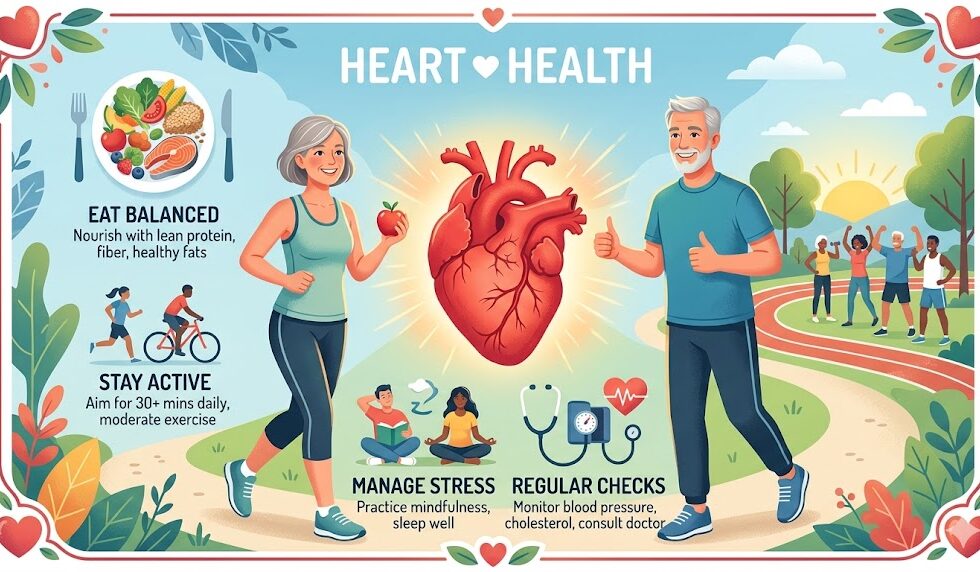
Your heart health is more than just a muscle; it’s the engine that keeps your body running. With every beat, it pumps life-giving blood to all your organs and tissues. Yet, many of us take this vital organ for granted until something goes wrong. Heart health should be a priority for everyone, regardless of age or lifestyle. Understanding its importance can lead to better choices and ultimately a longer, healthier life. So why exactly should you pay attention to your heart? The answer lies in the increasing prevalence of heart disease around the world. It’s one of the leading causes of death globally, affecting millions each year. But here’s some good news: many risk factors are preventable or manageable with simple lifestyle changes. This blog will explore what makes heart health so crucial and provide practical tips on how you can keep yours in top shape. Whether it’s through diet, exercise, stress management, or regular check-ups—there’s always something you can do today for a healthier tomorrow! Let’s dive into ways to nurture that essential organ that works tirelessly for you every single day.
The Importance of Heart Health
Heart health is fundamental to overall well-being. A strong heart ensures that oxygen and nutrients are efficiently delivered throughout your body. This boosts energy levels, enhances physical performance, and supports mental clarity. Neglecting heart health can lead to serious consequences. Conditions like heart disease can sneak up on you, often without warning signs. The impact goes beyond just the individual; it affects families and communities at large. Prioritizing your heart means prioritizing quality of life. When your cardiovascular system functions optimally, everyday activities become easier, from climbing stairs to enjoying time with loved ones. Moreover, a healthy heart reduces the risk of complications such as stroke or diabetes. Taking proactive steps today can pave the way for a vibrant future filled with possibilities and adventures yet to come. Your journey toward better heart health starts now—let’s explore how you can make lasting changes!
Common Risk Factors for Heart Disease
Heart disease remains a leading cause of death globally, and understanding its risk factors is crucial for prevention. High blood pressure is one significant contributor. It places extra strain on the heart and arteries, making them work harder over time. Cholesterol levels also play a vital role. Elevated LDL cholesterol can lead to plaque buildup in the arteries, restricting blood flow. Diabetes is another critical factor. It increases the likelihood of heart problems due to high glucose levels damaging blood vessels. Lifestyle choices cannot be overlooked either. Smoking damages your arteries and reduces oxygen in the bloodstream, while excessive alcohol consumption adds unnecessary stress on your heart. Age is an unavoidable factor as well; older adults tend to have higher risks of developing heart conditions due to wear and tear over decades. Family history can’t be ignored either—genetics sometimes influences susceptibility to various cardiovascular issues.
Steps to Improve Heart Health
Improving heart health can start with small, manageable changes. One effective step is adopting a balanced diet rich in fruits, vegetables, whole grains, and lean proteins. These foods nourish your body and help maintain optimal cholesterol levels. Incorporating regular physical activity into your routine adds significant benefits. Aim for at least 150 minutes of moderate exercise each week. This could be brisk walking, cycling, or swimming—whatever keeps you moving. Another vital aspect is to prioritize quality sleep. Lack of rest can lead to increased stress hormones that negatively affect heart function. Monitoring alcohol intake is also important; moderation is key here. Reducing smoking or quitting altogether significantly lowers the risk of heart disease. Stay informed about your blood pressure and cholesterol levels through regular check-ups. Being proactive helps catch potential issues early on.
Diet and Nutrition Tips for a Healthy Heart
Eating for heart health is about making smart choices. Incorporate plenty of fruits and vegetables into your meals. They are packed with vitamins, minerals, and antioxidants that support overall well-being. Focus on whole grains like oats, brown rice, and quinoa. These foods can help lower cholesterol levels while providing essential fiber. Opt for healthy fats found in avocados, nuts, seeds, and olive oil. These fats can replace unhealthy saturated fats commonly found in processed foods. Limit sodium intake by choosing fresh ingredients over canned or packaged options. This helps maintain healthy blood pressure levels. Don’t forget hydration; drinking enough water supports cardiovascular function too. Aim to limit sugary beverages which add empty calories without nutritional benefits. Be mindful of portion sizes. Eating smaller portions helps prevent overeating while promoting a balanced diet rich in heart-healthy nutrients.
Exercise and Physical Activity for a Stronger Heart
Engaging in regular exercise is vital for maintaining heart health. Physical activity strengthens the heart muscle, improving its efficiency and reducing the risk of cardiovascular disease. Aerobic exercises, such as walking, running, or cycling, are particularly beneficial. They increase your heart rate and enhance blood circulation throughout your body. Even activities like dancing or gardening can contribute significantly to your overall fitness. Strength training also plays a role in supporting heart health. Building muscle helps boost metabolism and manage weight—two key factors in preventing heart-related issues. Aim for at least 150 minutes of moderate aerobic activity each week. Breaking it down into manageable sessions makes it easier to fit into a busy schedule.
Remember that consistency is more important than intensity when it comes to physical activity. Find something you enjoy; this will make staying active feel less like a chore and more like a fulfilling part of your day-to-day life.
Stress Management for a Healthier Heart
Stress can have a profound impact on heart health. When under pressure, the body releases hormones that elevate blood pressure and heart rate. Over time, these reactions can contribute to serious cardiovascular issues. Finding effective ways to manage stress is crucial for maintaining a healthy heart. Techniques such as mindfulness meditation and deep breathing exercises can help calm the mind and reduce anxiety levels. Regularly engaging in enjoyable activities also plays a vital role in stress reduction. Whether it’s painting, gardening, or simply spending time with loved ones, prioritizing joy helps keep stress at bay. Don’t overlook the power of adequate sleep too. Quality rest restores energy levels and enhances emotional well-being, further protecting your heart from potential strain caused by chronic stress. Incorporating these strategies into daily life creates resilience against stressors while promoting overall cardiovascular health. Prioritize self-care; your heart will thank you later.
Regular Check-Ups and Screenings for Optimal Heart Health
Regular check-ups and screenings are vital for maintaining optimal heart health. These visits help identify potential issues before they escalate into serious problems. During your appointments, healthcare providers evaluate blood pressure, cholesterol levels, and other key indicators. This proactive approach allows for early detection of risk factors like hypertension or high cholesterol. Screening tests such as electrocardiograms (EKGs) can reveal irregular heart rhythms, while echocardiograms assess overall cardiac function. Each test provides valuable insights into how well your heart is performing. Don’t wait for symptoms to appear; make regular check-ups a priority in your routine. Engaging with your healthcare provider creates an opportunity for you to discuss lifestyle changes tailored to improve cardiovascular health. Being informed about your heart’s condition empowers you to take charge of your well-being. Prioritize those appointments; they could be life-saving.
Conclusion:
Heart health is a vital component of overall well-being. Prioritizing it can lead to a longer, healthier life. Understanding the common risk factors for heart disease helps in identifying areas where we can improve. By implementing lifestyle changes—such as adopting a heart-healthy diet, staying active, managing stress, and keeping up with regular check-ups—we empower ourselves to take control of our cardiovascular health. Each step taken towards better heart health matters. It’s not just about avoiding illness; it’s about enhancing quality of life. Small adjustments today can yield significant benefits tomorrow. Whether you’re looking at your plate or your exercise routine, every choice contributes to your heart’s strength and endurance. Take charge of your heart health now for a future filled with vitality and happiness.