



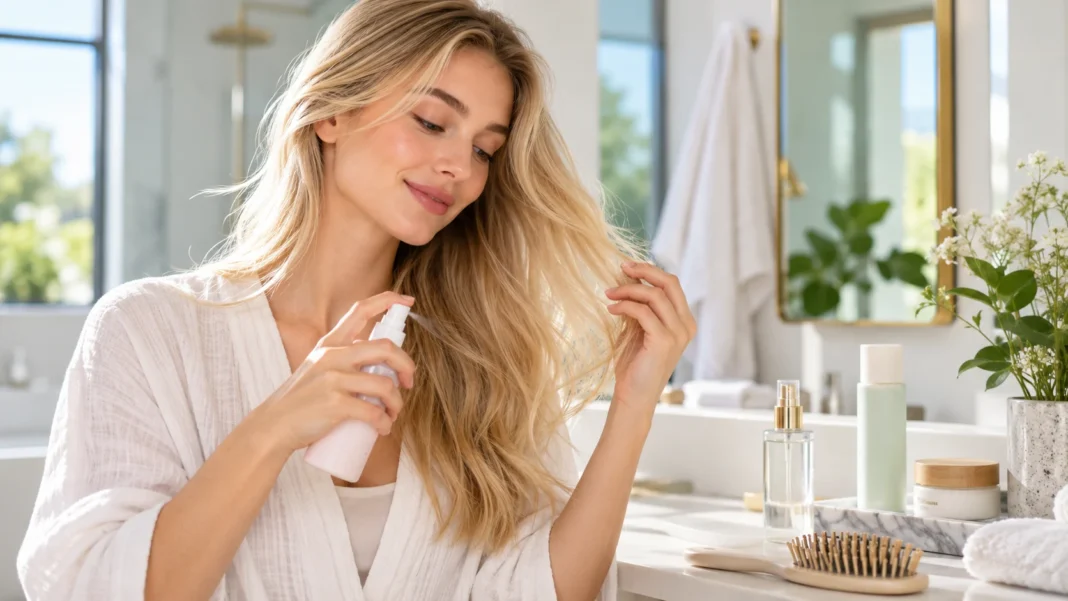
Fine hair often looks soft and smooth, but keeping it fresh, bouncy, and manageable can feel challenging. Heavy conditioners, styling creams, and excessive oils can leave delicate strands looking flat or greasy. Understanding how to care for fine hair without weighing it down makes it easier to maintain natural movement, healthy-looking shine, and lasting volume.
Unlike thick hair, fine strands have a smaller diameter and can become overwhelmed by rich formulas or product buildup. A balanced hair care routine focuses on gentle cleansing, lightweight hydration, careful styling, and protection against breakage. Small changes to everyday habits can make a noticeable difference in how fine hair looks and feels.
Understand Your Fine Hair Type Before Choosing Products
Fine hair refers to the thickness of individual hair strands rather than the number of hairs growing on your scalp. Someone can have fine hair with high density, while another person may have fine hair with lower density. Knowing this difference helps you understand why certain hairstyles and products work better for your hair than others.
One simple way to recognize fine hair is to examine how individual strands feel between your fingers. Fine strands may be difficult to feel because their diameter is relatively small. They can also appear easily flattened by heavy products, although natural texture, density, and scalp oil production influence their overall appearance.
Fine hair can be straight, wavy, curly, or coily, meaning there is no single routine that suits everyone. Straight fine hair may show oiliness quickly, while textured fine hair might need extra moisture to stay comfortable and manageable. The goal is to choose products that support your natural texture without leaving unnecessary residue.
Choose a Lightweight Shampoo That Cleans Without Stripping
Selecting the right shampoo is an important step in maintaining healthy-looking fine hair. Lightweight shampoos help remove dirt, sweat, and excess scalp oil without leaving a heavy coating on individual strands. Look for formulas labeled volumizing, lightweight, or suitable for fine hair, but judge them by how your hair actually responds.
A gentle shampoo should cleanse the scalp effectively while keeping the lengths comfortable and manageable. Products containing harsh cleansing agents may leave some hair types feeling dry, especially when used too frequently. On the other hand, extremely rich moisturizing shampoos may deposit more conditioning ingredients than fine hair needs.
When washing, apply shampoo mainly to your scalp and massage gently using your fingertips. Allow the lather to move through the lengths as you rinse instead of scrubbing delicate strands aggressively. This approach helps remove excess oil near the roots while reducing unnecessary friction that may contribute to tangles and breakage.
Use Conditioner Without Making Fine Hair Flat
Conditioner is essential for keeping fine hair smooth, manageable, and less prone to tangling. However, thick formulas containing high amounts of heavy conditioning ingredients can sometimes leave fine strands looking limp. Choose a lightweight conditioner that supports hydration and softness without making your hair feel coated or excessively slippery after rinsing.
Apply conditioner primarily to the mid-lengths and ends, where hair often experiences more dryness and friction. If your scalp becomes oily quickly, avoid applying large amounts directly to the roots. People with dry scalps or curly textures may need a slightly different approach depending on their hair’s moisture requirements.
Start with a small amount of conditioner and increase it only when your hair needs additional softness. Rinse thoroughly according to the product directions, paying attention to areas where residue can accumulate. Proper conditioning helps prevent knots and breakage, making fine hair easier to style without relying on multiple leave-in products.
Wash Fine Hair According to Your Scalp’s Needs
Finding the right washing schedule can make a noticeable difference in fine hair’s appearance. Some people with fine hair need frequent cleansing because scalp oil travels along their strands and becomes visible quickly. Others can comfortably wash less often, particularly when their scalp produces less oil or their hair has a textured pattern.
Rather than following a strict schedule, pay attention to oiliness, itching, sweat, and product buildup. Washing when your scalp needs cleansing helps maintain freshness without unnecessarily drying your hair. If your roots become greasy while the ends remain dry, focus shampoo on the scalp and conditioner on the lengths.
Avoid assuming that washing every day is automatically harmful or that infrequent washing is always healthier. The best frequency depends on your scalp condition, lifestyle, and the shampoo you use. Gentle cleansing followed by appropriate conditioning can help maintain comfortable roots and soft ends without making fine hair appear overly heavy.
Add Natural Volume Without Using Heavy Styling Products
Fine hair can lose its shape when styling products accumulate or contain more conditioning ingredients than necessary. Lightweight mousses, root-lifting sprays, and flexible volumizing products can help enhance the appearance of fullness. Apply small amounts gradually so your hair maintains natural movement instead of becoming stiff, sticky, or weighed down.
For extra root lift, distribute a lightweight volumizing product near the base of your hair before drying. Use your fingertips to gently lift sections away from the scalp while directing airflow toward the roots. This technique helps improve the appearance of volume without requiring excessive hairspray or repeated applications of styling products.
Avoid using several products with similar purposes during the same styling session. Combining thick creams, oils, serums, and strong-hold sprays may leave fine strands coated and difficult to manage. A simple styling routine featuring one or two carefully selected products is often enough to support movement and a fuller-looking finish.
Dry Fine Hair Gently to Reduce Frizz and Breakage
Fine hair can be vulnerable to mechanical damage, especially when wet and handled roughly. Instead of rubbing your hair aggressively with a towel, gently squeeze out excess water using a soft microfiber towel or cotton T-shirt. This method reduces friction and helps protect delicate strands from tangling and unnecessary stress during drying.
Air drying can be a comfortable option when you have enough time and your scalp dries properly. However, fine hair sometimes looks flatter when left to dry naturally without any root styling. If you prefer blow-drying, choose a moderate temperature and gentle airflow while keeping the dryer moving rather than concentrating heat in one place.
Heat protectant products can help reduce some styling-related damage when used according to their instructions. Select a lightweight spray rather than a thick cream if richer textures make your hair feel heavy. Once your hair is dry, avoid excessive brushing or repeated heat styling, which can gradually affect smoothness and manageability.
Protect Fine Hair From Heat Styling Damage
Straighteners, curling irons, and blow-dryers can change the appearance of fine hair, but excessive heat may weaken delicate strands. Fine hair does not necessarily require the same temperature settings as thicker or more resistant hair types. Beginning with a lower effective heat setting can help limit unnecessary exposure while achieving your preferred hairstyle.
Always use heated styling tools on hair that meets the manufacturer’s recommended moisture conditions. Most conventional straighteners and curling irons are intended for completely dry hair, unless specifically designed otherwise. Applying excessive heat to wet or damp strands can increase damage, so carefully follow both the tool and heat protectant instructions.
Try using heatless styling techniques when you want movement without frequent exposure to high temperatures. Loose braids, soft rollers, and gentle overnight styling methods can add texture while limiting direct heat. Avoid pulling hair tightly during these techniques, because repeated tension can cause breakage and discomfort around the scalp.
Avoid Heavy Hair Oils and Excessive Product Buildup
Hair oils can help improve shine and reduce friction, but applying too much may quickly overwhelm fine strands. Thick oils and rich styling balms can make hair appear separated, greasy, or flat. If you enjoy using hair oil, begin with a very small amount and concentrate it on dry ends rather than the roots.
Lightweight serums may be a better option for some people who want smoother ends without a visibly oily finish. However, even products marketed as weightless can cause buildup when used repeatedly in large quantities. Pay attention to how your hair feels after application and adjust the amount rather than assuming more product delivers better results.
Product buildup can also develop from dry shampoo, hairspray, conditioning treatments, and styling creams. When hair starts feeling coated or unusually flat, a suitable clarifying shampoo may help remove accumulated residue. Use clarifying products only as needed and follow with gentle conditioning to avoid leaving the hair overly dry or difficult to detangle.
Keep Your Scalp Healthy for Fresh, Lightweight Hair
A clean, comfortable scalp is an important foundation for maintaining attractive and manageable fine hair. Excess oil, sweat, and styling residue can make the roots appear flat even when the lengths are clean. Gentle scalp care helps maintain freshness and supports an environment suitable for normal hair growth and everyday comfort.
When shampooing, massage the scalp gently instead of scratching with your nails or using excessive pressure. Aggressive scrubbing may irritate sensitive skin and contribute to unnecessary hair tangling. If you experience persistent itching, flaking, redness, or discomfort, consider seeking advice from a dermatologist rather than repeatedly trying strong cleansing treatments.
Avoid applying heavy conditioners, thick styling creams, or large amounts of oil directly to your scalp unless they serve a specific need. These products may contribute to an oily appearance, particularly when fine hair lies close to the head. Keeping root care simple often makes it easier to maintain a fresh, lightweight finish.
Choose Haircuts That Support Natural Movement and Volume
The right haircut can influence how fine hair looks and moves throughout the day. Blunt cuts, soft layers, and well-shaped shorter hairstyles may help different fine hair types appear fuller. The ideal choice depends on hair density, natural texture, personal preference, and the amount of daily styling you enjoy.
If your hair has relatively low density, excessive layering may sometimes make the ends appear less full. A blunt bob or a shape with subtle layers can maintain more visible weight around the perimeter. People with higher-density fine hair may appreciate carefully placed layers that encourage movement and keep the overall style manageable.
Regular trims can help remove split ends and maintain a neat appearance, although they do not change the thickness of new hair growth. Discuss your styling habits with your hairstylist before choosing a new cut. A practical haircut should complement your natural hair behavior rather than require constant heat styling or heavy products.
Build a Simple Daily Hair Care Routine for Fine Hair
A consistent daily routine does not need numerous products or complicated styling steps. Begin by gently detangling your hair with a suitable brush or wide-tooth comb, working from the ends upward when needed. Avoid repeatedly brushing tangled areas with force, as fine strands may break under unnecessary tension and friction.
On wash days, use a lightweight shampoo followed by conditioner suited to your hair’s moisture needs. After gently removing excess water, apply a small amount of leave-in conditioner or detangling spray if required. Finish with air drying or controlled blow-drying, depending on your preferred appearance and available styling time.
On non-wash days, refresh your hair without automatically adding more styling cream or oil. If your roots look oily, a small amount of dry shampoo may temporarily absorb excess sebum, but it should not replace regular cleansing. Keeping your routine simple makes it easier to identify which products genuinely improve your hair.
Adjust Your Fine Hair Routine With the Seasons
Fine hair may respond differently to changes in humidity, temperature, and everyday environmental conditions. During humid weather, some people experience increased frizz or reduced hairstyle longevity, while others notice their hair becoming flatter. Lightweight humidity-resistant styling products may help maintain definition and reduce unwanted changes without excessive product layering.
Cold weather and indoor heating can contribute to dryness, static, and increased tangling in certain hair types. A lightweight leave-in conditioner or small amount of moisturizing serum may help the ends feel more comfortable. Avoid automatically switching to extremely rich treatments unless your hair genuinely needs additional conditioning and responds positively to them.
Seasonal changes can also influence how often your scalp needs cleansing, especially during warmer months with frequent sweating. Reassess your shampoo frequency and styling routine whenever your hair begins behaving differently. Making small adjustments based on actual hair needs is generally more effective than replacing your entire product collection every season.
Learn How to Detangle Fine Hair Without Pulling
Fine strands often become tangled when exposed to friction from clothing, bedding, or repeated styling. Removing knots carelessly can cause unnecessary breakage, making the ends appear uneven and difficult to manage. Gentle detangling techniques help maintain the condition of your hair while reducing the need for additional smoothing products.
Before detangling, separate your hair into manageable sections and begin near the ends. Hold the section above the knot to reduce pulling on the scalp while carefully working upward. A suitable detangling brush, wide-tooth comb, or lightweight conditioning spray may help depending on whether your hair is straight, wavy, or curly.
For textured fine hair, detangling during conditioning may feel easier than brushing after it dries. Straight fine hair may respond better to careful detangling before washing or when partially dry. Experiment with gentle techniques and avoid forcing a brush through knots, particularly when your hair feels fragile or unusually stretched.
Choose Lightweight Hair Masks and Deep Conditioning Treatments
Hair masks can support softness and manageability, but fine hair does not always need rich deep conditioning treatments. Some masks contain high concentrations of oils, butters, or conditioning agents that leave delicate strands feeling coated. Look for lighter treatments designed to improve moisture balance without sacrificing natural movement and volume.
Apply a hair mask mainly to the lengths and ends, following the recommended quantity and application time. Using more than necessary does not guarantee better results and may make rinsing more difficult. If your hair feels exceptionally soft but lacks movement afterward, consider reducing the amount or choosing a lighter formula.
Deep conditioning frequency should depend on your hair’s condition rather than a fixed rule for every fine hair type. Chemically treated, curly, or frequently heat-styled fine hair may benefit from more conditioning than untreated straight hair. Pay attention to how your strands respond and adjust treatments to maintain both comfort and manageability.
Protect Fine Hair While Sleeping
Nighttime habits can affect how fine hair looks and feels the following morning. Friction against rough bedding may increase tangling, especially when strands are long, dry, or prone to knots. A smooth satin pillowcase or appropriately fitted sleep bonnet can help reduce rubbing and make morning detangling more manageable.
If you prefer tying your hair before sleeping, choose a loose hairstyle that does not pull tightly at the roots. Soft fabric scrunchies may be gentler than narrow elastics that create concentrated tension. Avoid sleeping with tightly secured hairstyles that repeatedly stress the same sections of hair, particularly around the hairline.
You can also reduce morning styling time by protecting the shape of your hair overnight. Loose braids may encourage soft waves, while comfortable protective arrangements can help maintain certain curly textures. Choose a method that suits your hair type and sleeping preferences without causing scalp discomfort or placing unnecessary pressure on delicate strands.
Common Mistakes That Make Fine Hair Look Flat
One common mistake is assuming fine hair always needs more styling products to appear fuller. Applying excessive mousse, serum, conditioner, or hairspray can create the opposite effect by adding unwanted weight. Start with small quantities and focus on product placement to maintain movement while achieving your preferred level of hold.
Another mistake involves applying rich treatments directly to the roots when only the ends need extra conditioning. This can make freshly washed hair appear oily sooner, especially when the scalp already produces noticeable sebum. Separating scalp care from length care helps you cleanse and condition different areas according to their individual requirements.
Using excessive heat, brushing aggressively, or frequently changing products without assessing results can also complicate a fine hair routine. Consistency makes it easier to understand which habits work and which contribute to dryness or flatness. Gentle handling, appropriate cleansing, and selective styling typically matter more than maintaining a large collection of expensive products.
Conclusion
Learning how to care for fine hair without weighing it down begins with understanding your natural hair characteristics and choosing products accordingly. Lightweight shampoo, careful conditioning, gentle styling, and consistent scalp care can help maintain a fresh and manageable appearance. Small daily habits often influence results more than complicated treatments or expensive styling routines.
Fine hair benefits from a balanced approach that considers hydration, cleanliness, volume, and protection against damage. Instead of avoiding conditioner or styling products entirely, focus on selecting suitable formulas and applying appropriate amounts. Adjusting your technique according to your scalp condition and hair texture helps maintain softness without unnecessary heaviness.
The most effective fine hair routine is one that feels comfortable, fits your lifestyle, and supports your preferred hairstyle. Experiment gradually with washing frequency, drying techniques, and lightweight treatments while paying attention to the results. With consistent care and gentle handling, fine hair can maintain its natural movement, shine, and healthy-looking finish.
Frequently Asked Questions (FAQs)
How can I moisturize fine hair without weighing it down?
Use a lightweight conditioner on the mid-lengths and ends, followed by a small amount of leave-in conditioner if needed. Avoid excessive oils and thick creams that make your hair appear flat.
How often should I wash fine hair?
Wash fine hair according to your scalp’s oil production and activity level. Some people need daily cleansing, while others can wash less frequently without experiencing oiliness, discomfort, or noticeable buildup.
What ingredients should I avoid in fine hair products?
There is no universal list of ingredients to avoid. However, very rich formulas containing high amounts of oils, butters, or heavy conditioning agents may weigh down some fine hair types.
Is hair oil good for fine hair?
Hair oil can help smooth dry ends and improve shine when applied sparingly. Start with a tiny amount, avoid overloading the roots, and choose a lighter product if your hair becomes greasy.
How can I make fine hair look fuller naturally?
Try lightweight volumizing products, gentle root-lifting techniques, and a haircut suited to your density and texture. Regular cleansing and avoiding excessive product buildup can also help maintain natural-looking volume.


[…] How to Care for Fine Hair Without Weighing It Down […]
[…] How to Care for Fine Hair Without Weighing It Down […]