



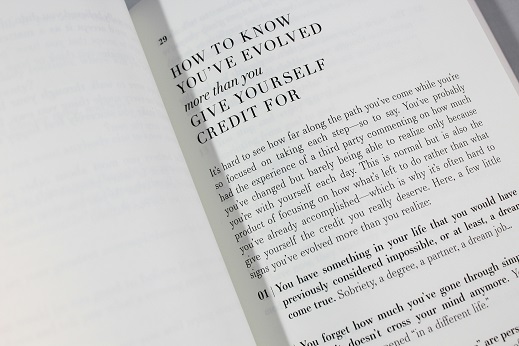
Change management is an intrinsic part of human behavior, essential for personal development and growth. It is not only a natural occurrence but also reflects our evolving perspectives and circumstances throughout life. From our childhood beliefs to our adult decisions, the experience of changing one’s mind showcases the dynamism of our understanding. Examples of this concept are evident in various areas of life. In the realm of education, it is common for students to adapt their opinions on a subject as they gain new insights and knowledge. For instance, an individual may initially hold a strong stance against a particular theory, only to change their viewpoint after engaging in thorough research or discussion with peers. This exemplifies intellectual growth and the willingness to embrace new information.
Similarly, in the context of relationships, change often manifests as shifts in feelings or perspectives towards friends, family, or partners. Individuals may re-evaluate their connections based on lived experiences, personal growth, or even societal influences. This affinity for change is not just limited to interpersonal dynamics; it extends to career choices, where professionals frequently reassess their goals and values, leading to new paths that align more closely with their evolving identities.
Despite its natural occurrence, change is frequently viewed with skepticism or apprehension. Many people associate change with instability or loss of control, thus fostering resistance to new ideas or perspectives. This perception can create barriers, preventing individuals from fully engaging in the transformative processes of life. Understanding that change is not an enemy, but rather a facilitator of growth, allows for a more positive and open-minded approach. Embracing change encourages flexibility and adaptability, skills that are crucial in an ever-evolving world.
Cultural Perspectives on Changing Your Mind
The act of changing one’s opinion is perceived differently across various cultures, reflecting diverse values, beliefs, and societal norms. In more rigid cultures, change may be interpreted as a weakness, as it can suggest a lack of conviction or steadfastness. Such societies typically emphasize traditional values and adherence to established norms, often viewing consistency in beliefs as a virtue. This perspective may inhibit individuals from expressing differing opinions or adapting their views, ultimately resulting in a homogenized thought process that discourages innovation and personal growth.
On the other hand, progressive societies often celebrate the flexibility required to change one’s mind. In these cultures, adaptability is considered a sign of strength and resilience. Open-mindedness is nurtured, and individuals are encouraged to critically evaluate their views and accept new information. This cultural attitude promotes a constructive dialogue and encourages constructive conflicts that can lead to enhanced understanding and growth. Here, the willingness to alter one’s stance is often associated with intellectual maturity and emotional insight.
The Psychology Behind Mind Changes
The human mind is a complex structure influenced by various psychological principles that dictate the ease or difficulty of changing one’s beliefs or decisions. Two pivotal concepts in this realm are cognitive dissonance and confirmation bias, both of which profoundly affect how individuals approach new information and revise their viewpoints.
Cognitive dissonance occurs when an individual experiences discomfort due to holding two contradictory beliefs or attitudes. This psychological tension often leads to an internal struggle, fostering a natural inclination to reduce the dissonance. One method of doing so is through changing one’s mind to align with new evidence or perspectives. However, many individuals resist this change due to the discomfort associated with admitting a previous error in judgment, leading to an aversion to embracing new thoughts that may contradict established beliefs.
On the other hand, confirmation bias plays a crucial role in reinforcing existing viewpoints. It is the tendency to seek out, interpret, and remember information in a way that confirms one’s pre-existing beliefs, often disregarding evidence that contradicts those beliefs. This bias can create a significant barrier to the acceptance of new ideas, as individuals may unconsciously filter evidence through a lens of existing opinions, thereby limiting their cognitive flexibility.
Emotional intelligence significantly influences these processes. Individuals with high emotional intelligence tend to be more aware of their cognitive biases and better equipped to manage the psychological discomfort associated with cognitive dissonance. By fostering a greater understanding of one’s emotions and the emotions of others, a person can cultivate an openness to change, thereby enhancing their capacity for growth and adaptability.
In essence, the interplay of cognitive dissonance, confirmation bias, and emotional intelligence forms the foundation of our willingness or reluctance to change our minds. Recognizing these principles can empower individuals to embrace flexibility, enabling personal growth and a more profound understanding of the world around them.
Historical Figures Who Changed Their Minds
The concept of changing one’s mind is not merely a modern phenomenon; it has been exemplified by numerous historical figures whose shifts in perspective led to significant advancements. These figures not only illustrate the strength inherent in adaptability but also highlight the positive outcomes that can arise from such transformations.
One notable example is Mahatma Gandhi, who initially pursued a path of active resistance before embracing nonviolent civil disobedience. This pivotal shift was instrumental in mobilizing the Indian populace against colonial rule, ultimately leading to India’s independence. Gandhi’s change in approach not only facilitated a peaceful struggle but also inspired movements for civil rights and freedom across the world, showcasing the far-reaching impact of altering one’s stance.
In the realm of science, Charles Darwin provides another profound illustration. Initially influenced by the predominant belief in the fixity of species, Darwin’s journey led him to develop the theory of evolution through natural selection. His willingness to rethink established notions revolutionized biology, allowing for a more nuanced understanding of life on Earth. By challenging conventional wisdom, Darwin fostered groundbreaking developments that transformed scientific inquiry.
Artists have also showcased the importance of openness to change. Pablo Picasso, for instance, famously transitioned through various styles, abandoning traditional forms to embrace cubism and surrealism. This adaptability not only marked a pivotal moment in art history but also encouraged future artists to explore and innovate beyond the confines of established techniques.
These historical figures exemplify that changing one’s mind is not an admission of defeat; rather, it is a testament to growth and flexibility. Their legacies serve as powerful reminders that embracing change can lead to remarkable achievements and profound transformations within society.
The Role of Feedback in Changing Your Mind
Feedback plays a pivotal role in the process of changing one’s mind, as it serves as a mirror reflecting our beliefs and opinions. Engaging with peers, mentors, or broader life experiences provides invaluable opportunities for introspection and can highlight the limitations of our existing perspectives. When we are open to receiving constructive criticism and new information, we not only bolster our capacity for growth but also enhance our critical thinking skills. This receptiveness to feedback allows us to navigate the complexities of our thoughts and decisions more effectively.
The ability to adapt our viewpoints in response to feedback is not merely an act of concession; rather, it is a sign of strength. Taking feedback into account encourages us to challenge preconceived notions and to consider alternative angles that we may not have previously acknowledged. For example, in professional settings, a colleague’s insight about a project may reveal blind spots in our approach, empowering us to refine our strategies. This collaborative sharing of knowledge fosters a culture of innovation and progress, where evolving ideas drive better outcomes.
Moreover, the impact of feedback extends beyond individual interactions; it encompasses the broader societal context. Social norms and collective opinions can shift in response to widespread feedback, resulting in cultural transformation. By actively participating in dialogues and remaining receptive to altering our beliefs based on collective insights, we contribute to a dynamic and evolving society.
In conclusion, the role of feedback in changing one’s mind underscores the importance of openness and flexibility. By cultivating a mindset that values constructive criticism and diverse viewpoints, we set the stage for lifelong learning and personal growth, ultimately enhancing our ability to navigate a complex world.
The Importance of Adaptability in Modern Life
In the contemporary world, characterized by rapid technological advancements and constant change, adaptability has emerged as an essential skill in both personal and professional realms. The ability to pivot and embrace new ideas can significantly influence an individual’s success and resilience. In many cases, those who are adaptable are better equipped to navigate challenges, harness opportunities, and foster meaningful relationships.
In professional settings, adaptability is often linked to innovation and growth. Organizations that promote a culture of flexibility are typically more successful at responding to market changes and consumer demands. Employees who embrace adaptability are more likely to thrive in environments that prioritize collaboration and creativity. Moreover, this adaptability empowers individuals to contribute effectively during uncertain times, making them invaluable assets to their teams.
On a personal level, adaptability fosters a growth mindset, which is crucial for lifelong learning and personal development. This mindset encourages individuals to view challenges as opportunities for growth rather than obstacles. By being open to change, they can explore new interests, develop diverse skills, and strengthen their ability to cope with unexpected life events. This leads to improved mental well-being and heightened levels of satisfaction in both personal and social spheres.
Furthermore, in our increasingly interconnected world, adaptability enhances communication and understanding across cultural and geographical boundaries. It enables individuals to engage with diverse perspectives, fostering inclusivity and collaboration. This adaptability strengthens personal relationships and is key to creating environments where collective intelligence can flourish.
Ultimately, the significance of adaptability in modern life cannot be overstated. As we continue to face a rapidly evolving landscape, cultivating the ability to adjust and embrace change will not only help individuals achieve personal and professional success but will also contribute to a more resilient and innovative society.
Overcoming the Fear of Change
The fear of change is a common human experience, often rooted in a desire for stability and certainty. Many individuals equate changing their minds with weakness or inconsistency, leading to a reluctance to embrace new perspectives or approaches. This resistance may stem from the comfort associated with familiar beliefs and practices, as well as a fear of the unknown, which can evoke anxiety and discomfort.
To effectively navigate the fear of changing one’s mind, it is crucial to first acknowledge these feelings as a normal part of the cognitive process. Acceptance of the fact that change is an integral aspect of growth can facilitate smoother transitions. Cultivating an awareness of the benefits of being flexible can provide the motivation necessary to confront these fears. Engaging in reflective practices, such as journaling or meditation, can help individuals explore their resistance to change and identify the underlying reasons for their reluctance.
Moreover, building self-confidence plays a significant role in mitigating fears associated with change. One effective strategy is to practice small changes regularly in both personal and professional life. This incremental approach encourages individuals to experience the positive outcomes of adaptability without overwhelming them. Seeking support from peers or mentors can also foster a sense of community, making the journey of change feel less daunting and more collaborative.
Education about the benefits of adaptability is essential. Conducting research, attending workshops, or engaging in discussions can equip individuals with the knowledge and tools to embrace change. By understanding that flexibility can lead to personal and professional growth, one can shift their mindset from seeing change as a threat to viewing it as an opportunity. Identifying successful examples of people who have thrived through change can also inspire confidence in one’s own ability to do the same.
Practical Steps to Cultivate Open-Mindedness
Open-mindedness is a vital skill that fosters personal growth and facilitates effective communication. By engaging in specific practices, individuals can develop their ability to embrace diverse viewpoints, leading to more enriching interactions. One such practice is mindfulness, which encourages individuals to focus on the present moment, helping them observe thoughts and feelings without judgment. This awareness can create a space for considering ideas that differ from one’s own, paving the way for a more flexible mindset.
Another effective method is active listening. This involves fully concentrating on what is being communicated, rather than merely waiting for one’s turn to respond. By listening carefully, individuals can better understand opposing perspectives and can respond thoughtfully. This approach not only enriches conversations but also cultivates empathy, which is essential for open-mindedness.
Engaging with diverse viewpoints is equally important. Individuals can seek out discussions with people from various backgrounds, cultures, and experiences. This may involve attending community events, joining interest groups, or participating in online forums that challenge preconceived notions. Exposure to a wide range of perspectives promotes flexibility in thinking and encourages the reconsideration of ingrained beliefs.
Furthermore, self-reflection plays a crucial role in promoting open-mindedness. Journaling about experiences or discussing thoughts with others can illuminate biases and preconceived notions, leading to an increased awareness of areas for growth. Over time, these practices can significantly enhance one’s ability to remain open to new ideas and adjust to change.
Incorporating these strategies into daily life can foster a culture of openness and receptiveness, essential for personal and communal growth.
The Long-Term Benefits of Changing Your Mind
Embracing change and being open to altering one’s beliefs can have profound long-term benefits. One of the most significant advantages is the enhancement of personal relationships. Individuals who are flexible in their thinking tend to communicate better and are more empathetic. This openness fosters an environment where diverse viewpoints can be shared without fear of judgment, leading to stronger, more resilient relationships. When we allow ourselves to reconsider our perspectives, we become more attuned to the feelings and experiences of others, ultimately building trust and rapport.
Furthermore, changing one’s mind is integral to personal growth. Those who are willing to reevaluate their assumptions and beliefs often experience greater self-awareness and develop a deeper understanding of their values and motivations. This evolution can lead to improved emotional intelligence, as individuals learn to navigate their inner landscape more effectively. As people grow and adapt, they become better equipped to face the complexities of life, tackling challenges with a renewed sense of confidence and insight.
Another important benefit of embracing change is the enhancement of decision-making abilities. Flexibility in thinking allows individuals to weigh options more critically and approach situations from multiple angles. This adaptability leads to more informed choices and a greater capacity for innovation. By entertaining diverse perspectives, individuals can harness creativity and derive solutions that may have otherwise been overlooked. As such, those who embrace the power of change often find themselves in advantageous positions, whether in personal, professional, or academic arenas.
Ultimately, reflecting on one’s beliefs and recognizing the potential for positive evolution can pave the way for a more fulfilling life. By understanding the long-term benefits of changing one’s mind, individuals can inspire not only their own growth but also encourage those around them to embark on similar journeys of self-discovery and openness.