Understanding Procrastination
Procrastination is a complex behavior that affects individuals from all walks of life. Understanding the psychological and emotional triggers behind this phenomenon is essential for developing effective strategies to overcome it. Procrastination can manifest in various forms, notably chronic and situational, each with its unique causes and consequences.
Chronic procrastinators often struggle with persistent avoidance of tasks, leading to significant disruptions in their personal and professional lives. This form of procrastination is frequently linked to deeper emotional issues, such as low self-esteem and feelings of inadequacy. On the other hand, situational procrastination may occur in response to specific tasks or environments, often triggered by external factors or internal states such as stress or anxiety.
Several psychological factors contribute to the tendency to procrastinate. One major trigger is the fear of failure, which can prevent individuals from starting or completing tasks due to the anxiety associated with potential outcomes. Perfectionism also plays a crucial role; individuals who set unrealistically high standards for themselves may delay task completion to avoid producing work they deem unsatisfactory. Additionally, low motivation can hinder a person’s desire to engage in tasks, resulting in delays.
The consequences of procrastination extend beyond missed deadlines and incomplete projects. Procrastination can significantly impact mental health, leading to feelings of guilt, shame, and stress. It can reduce overall productivity, creating a cycle of inactivity that exacerbates emotional distress. Recognizing these triggers and their implications is the first step towards addressing procrastination. By understanding the psychological underpinnings of this behavior, individuals can begin to implement strategies that foster productivity and promote emotional well-being.
Identifying Your Procrastination Triggers
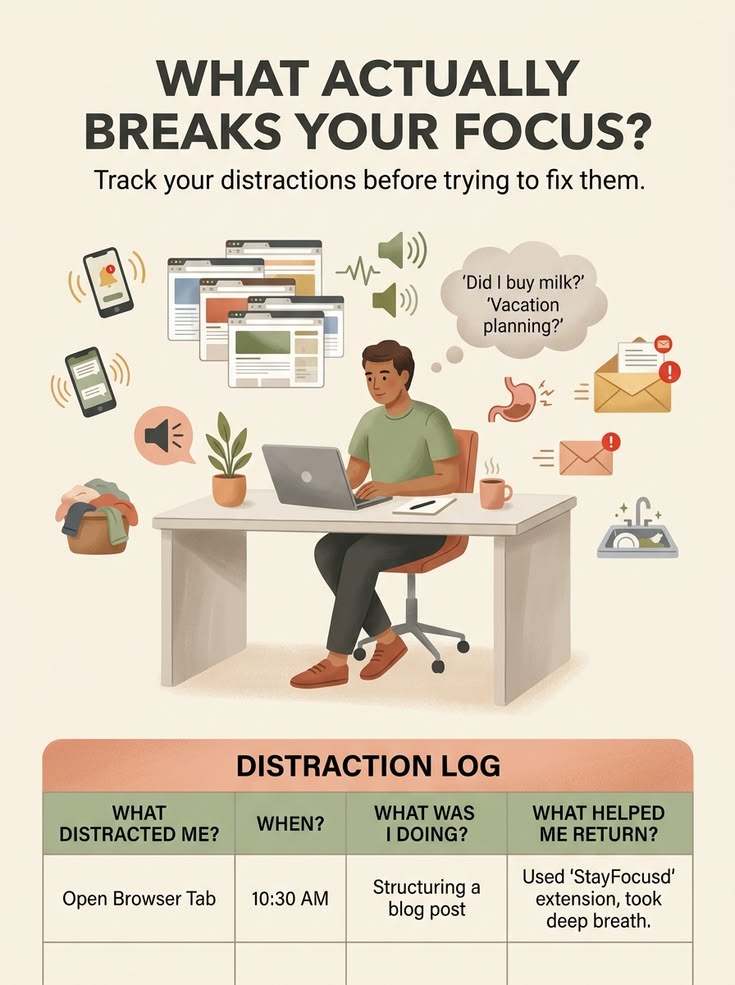
Procrastination is a common issue that many individuals encounter when it comes to completing daily tasks. To effectively manage and overcome procrastination, recognizing personal triggers is of utmost importance. The first step in this process is developing self-awareness. Maintaining a journal can be an instrumental technique in this regard. By consistently documenting instances of procrastination, individuals can identify patterns in their behavior, pinpointing the specific moments or situations that lead them to delay tasks.
Environmental factors often play a significant role in procrastination. For instance, a cluttered workspace or excessive noise can distract individuals, making it difficult to focus on the task at hand. By recognizing these environmental triggers, one can take proactive steps to create a conducive work environment. This may involve organizing one’s space or setting specific times for focused work when distractions are minimized.
Emotional states are another crucial aspect to consider. Feelings of anxiety, fear of failure, or even perfectionism can lead to avoidance behaviors. It is essential to confront the root of these emotional responses. Acknowledging why a task evokes such feelings can help in reframing one’s perspective. For instance, breaking the task down into smaller, manageable parts can lessen the fear of being overwhelmed and encourage progress.
Moreover, different tasks can elicit various responses. Some individuals may procrastinate on tasks that seem monotonous or have little personal interest. Identifying which types of tasks trigger avoidance can allow individuals to seek new perspectives or approaches that renew motivation. Understanding these nuances is critical in the journey of overcoming procrastination.
By confronting these triggers—be they environmental distractions, emotional responses, or specific task types—individuals can build an effective strategy against procrastination. Developing awareness is a powerful first step, paving the way for devising actionable plans to mitigate avoidance and enhance productivity.
Setting Clear and Achievable Goals
Setting well-defined and attainable goals is crucial in combating procrastination, particularly when it comes to daily tasks. One of the most effective strategies for facilitating progress is breaking larger tasks into smaller, more manageable parts. This approach not only reduces the intimidation factor of overwhelming tasks but also encourages a sense of accomplishment as each smaller goal is completed.
Moreover, applying the SMART criteria can significantly enhance the effectiveness of goal setting. SMART stands for Specific, Measurable, Achievable, Relevant, and Time-bound. By ensuring that goals meet these specific criteria, individuals can clarify what they need to achieve and create a structured pathway toward completion.
For instance, rather than setting a vague goal such as “I will work on my project,” a SMART goal might be “I will complete the first draft of my project by Friday at 5 PM.” This goal is specific (completing the first draft), measurable (by quantifying the task), achievable (assuming the person has the ability to draft), relevant (pertaining directly to the project), and time-bound (having a deadline). This clarity can not only motivate individuals but also provide a framework through which they can navigate their workloads.
Additionally, it can be beneficial to prioritize these tasks based on urgency and importance. By categorizing and listing tasks, one can effectively manage time and resources while avoiding the pitfalls of procrastination. Regularly reviewing and adjusting these goals can also foster adaptability, ensuring that plans remain relevant to changing circumstances.
In conclusion, setting clear and achievable goals plays a significant role in overcoming procrastination. Implementing the SMART criteria and breaking tasks into smaller parts helps in making daily responsibilities more approachable and manageable, ultimately leading to increased productivity and reduced procrastination.
Creating a Structured Routine
Establishing a structured routine is a pivotal strategy when addressing procrastination, particularly with daily tasks. A well-planned routine not only enhances productivity but also creates a conducive environment for focus and efficiency. To begin with, scheduling tasks effectively is essential. Prioritizing daily responsibilities and assigning specific time slots for each task can minimize decision fatigue and eliminate the ambiguity that often leads to procrastination.
Utilizing tools such as planners or digital calendars can significantly aid in this process. Digital calendars, for instance, offer features such as reminders and alerts, helping to keep individuals accountable. With a planner, users can visually track their progress and make necessary adjustments to their schedules. By setting aside time for both work and breaks, individuals can maintain a healthy balance, fostering improved concentration and reducing burnout, which is often a precursor to procrastination.
Incorporating time-blocking methods can further enhance productivity. This approach involves breaking work into distinct blocks of time, with predetermined intervals dedicated to specific tasks. For example, one might allocate 25 minutes to focus entirely on a given project, followed by a 5-minute break. This method not only boosts focus during work periods but also provides regular opportunities to recharge, which is critical for maintaining momentum throughout the day.
Consistency in following this structured routine is paramount. Developing habits takes time, but by persistently adhering to a daily schedule, individuals can cultivate a productive rhythm that helps combat procrastination effectively. Over time, this sense of structure and discipline can lead to a more organized approach to daily tasks, significantly diminishing the likelihood of procrastination.
Implementing the Two-Minute Rule
The Two-Minute Rule, a concept popularized by productivity expert David Allen, is a straightforward yet effective strategy designed to combat procrastination. The principle is simple: if a task can be completed in two minutes or less, it should be tackled immediately. This approach not only helps in managing daily tasks but also plays a crucial role in decreasing the accumulation of work that often leads to feelings of overwhelm and procrastination.
By adopting the Two-Minute Rule, individuals can significantly reduce their to-do lists. The rationale behind this technique is that small tasks, when left unattended, can pile up, contributing to a sense of chaos and disorganization. For instance, actions such as replying to a quick email, organizing a few files, or even washing a dish can be accomplished swiftly. By completing these minor tasks at once, one can maintain a cleaner workspace and a clearer mind, fostering an environment more conducive to productivity.
Implementing this rule requires a slight shift in how one approaches daily responsibilities. To begin, the first step is to assess tasks and determine which items on a to-do list qualify for this two-minute timeframe. This can involve a brief evaluation of responsibilities each morning or a periodic check throughout the day. Once these minor tasks are identified, committing to completing them right away can cultivate a habit of proactivity, thereby diminishing the propensity for procrastination.
Moreover, the Two-Minute Rule serves as a catalyst for motivation. By achieving quick wins, individuals can experience a boost in their confidence and satisfaction levels, which encourages a forward momentum. Ultimately, by establishing a rhythm of promptly addressing small tasks, one can mitigate the larger workload that often leads to procrastination, making it easier to tackle more significant challenges subsequently. In conclusion, implementing the Two-Minute Rule offers a practical strategy for enhancing productivity and overcoming procrastination in daily life.
Using Positive Reinforcement
Positive reinforcement serves as a powerful tool in combating procrastination. By incorporating rewarding mechanisms into daily productivity routines, individuals can boost their motivation to complete tasks. The concept behind positive reinforcement is straightforward: when a behavior is followed by a pleasant outcome, there is a higher chance the behavior will be repeated. This principle can be effectively applied to overcoming procrastination.
One effective strategy for using positive reinforcement involves setting up a system of small rewards. These rewards might be as simple as taking a break to enjoy a favorite snack, watching a short video, or engaging in a brief walk after completing a specific task. By establishing these incentives, individuals can create a more positive association with productivity, making the process of completing tasks enjoyable rather than burdensome.
Additionally, it is vital to ensure that rewards are proportional to the effort exerted. For larger or more complex tasks, consider implementing a tiered reward system, where individuals receive incremental rewards as they make progress. This not only provides a continuous motivation to persist but also reinforces a sense of accomplishment at each stage.
Furthermore, sharing successful strategies with peers can enhance the effectiveness of positive reinforcement. For instance, joining a community or accountability group focused on personal development can provide additional encouragement. Members can share their own rewards as well as the tasks they are completing, fostering an environment where productivity milestones are celebrated collectively.
In conclusion, utilizing positive reinforcement through a structured reward system can help individuals overcome procrastination. By making productivity a rewarding experience, individuals are more likely to stay on track and foster a long-lasting positive attitude towards their daily tasks.
Minimizing Distractions and Enhancing Focus
Procrastination often arises from a multitude of distractions that can hinder productivity. To effectively overcome this challenge, it is important to address both internal and external stimuli that contribute to a lack of focus. Creating a conducive working environment is one of the most effective strategies. This can be achieved by identifying and minimizing physical clutter in your workspace. A clean and organized area can significantly enhance concentration and make it easier to engage in tasks without feeling overwhelmed by visual stimuli.
Moreover, external distractions such as social media, notifications, and background noise can severely disrupt focus. One practical solution is to utilize various applications designed to block distracting websites during work hours. Tools such as website blockers can restrict access to social media platforms and other non-essential sites, helping maintain focus on the task at hand. Setting specific times for checking emails or social media can provide structure while reducing the temptation to engage with these distractions throughout the workday.
Additionally, practicing mindfulness techniques can improve one’s ability to maintain focus. Mindfulness involves being fully present in the moment and can help combat the mental distractions that contribute to procrastination. Techniques such as deep breathing, meditation, or even taking regular breaks to recharge the mind can cultivate a state of awareness and promote a more productive mindset. Consider scheduling short mindfulness sessions throughout the day to reset your mental state and enhance overall concentration.
By implementing these strategies for minimizing distractions, individuals can create a more focused and productive work environment. The combination of a well-organized space, the use of digital tools to limit distractions, and mindfulness practices serves to reinforce one’s ability to stay on task and accomplish daily goals efficiently.
Accountability and Support Systems
Overcoming procrastination involves not only personal discipline but also the establishment of accountability and support systems. These systems can significantly enhance an individual’s commitment to their daily tasks. When tasks and goals are shared with others, the sense of responsibility often increases, encouraging timely completion of work.
One effective method to cultivate accountability is by discussing goals with friends or family members. By sharing your intentions and deadlines with someone you trust, you create a support network that can help motivate you to stay on track. This can be as simple as making your goals known during casual conversations or more structured, like regular check-ins to discuss progress.
Moreover, joining a study group or a team can provide a dedicated environment for goal achievement. In these settings, individuals can collectively work towards common objectives, inspiring one another and generating a collaborative spirit. Being part of a group, where progress is regularly reviewed, can instill a sense of obligation that individual efforts may lack. This method also offers an opportunity to receive constructive feedback, which can further enhance productivity.
Working with a coach or mentor is another effective strategy for building accountability. A professional can provide not only guidance but also encouragement, helping you navigate challenging tasks. Coaches often employ various techniques to help individuals focus and prioritize effectively, making it easier to decrease procrastination tendencies. The personal investment a coach has in your success can be a powerful motivator.
In summary, the significance of accountability in overcoming procrastination cannot be overstated. Whether through informal conversations with friends, structured groups, or professional coaching, establishing these support systems can greatly improve one’s ability to commit to and fulfill daily tasks. By leveraging these resources, individuals can cultivate a more productive and motivating environment, significantly reducing procrastination.
Reflecting and Adapting for Future Success
Overcoming procrastination requires a comprehensive approach, and an essential part of this journey is reflection. Evaluating one’s progress allows individuals to gain insights into their habits, understand what strategies have been effective, and identify those that fall short. Through consistent reflection, one can examine the triggers that lead to procrastination and the environmental factors that may influence productivity. This practice not only fosters self-awareness but also encourages personal growth.
Setting aside time for periodic reviews is crucial. Schedule these evaluations weekly or monthly, creating an opportunity to assess the effectiveness of current tactics. During these reviews, consider documenting progress and setbacks in a journal; this tangible evidence aids in recognizing patterns over time. For instance, if certain times of the day are consistently unproductive, one might conclude that adjusting the schedule could lead to better outcomes.
Moreover, adapting strategies in response to evolving goals and circumstances is vital. A strategy that worked a month ago may not yield the same results today due to shifts in responsibilities or personal life events. Being flexible allows for the incorporation of new techniques, such as breaking larger tasks into smaller, more manageable steps, or utilizing productivity tools designed to enhance focus.
Ultimately, successful procrastination management is about staying responsive to oneself. Recognizing when a method is no longer effective and being open to trying different approaches can significantly impact one’s ability to accomplish tasks. As individuals reflect on their journey and adapt their strategies, they lay the foundation for sustained productivity and achievement. In conclusion, the practice of reflection combined with adaptability serves as a powerful tool in the quest to overcome procrastination, ensuring continuous progress on daily tasks.