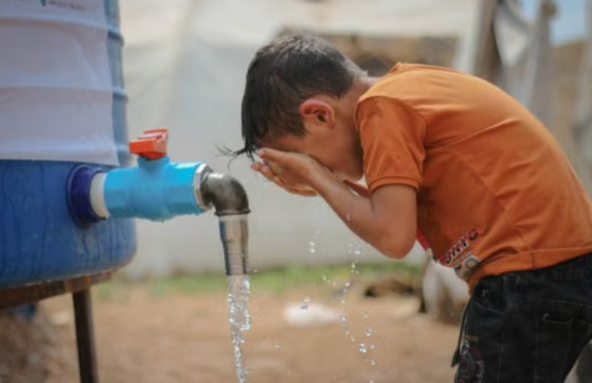
When conflict disrupts a community, children can lose access to many of the services they depend on every day. Water networks may be damaged, sanitation facilities can become unusable, and families may be displaced from established water sources.
For children already facing the effects of violence and displacement, losing access to safe water and hygiene can add another serious health risk. The wider humanitarian sector, including War Child Canada, therefore recognises that protecting children also means maintaining access to essential services.
Water, sanitation and hygiene, collectively known as WASH, are especially important during these disruptions. Safe water helps prevent exposure to contaminated sources, sanitation limits the spread of pathogens, and hygiene practices reduce opportunities for infection. Together, they form a basic layer of protection that can help children stay healthier, safer, and better able to learn during a crisis.
How Does Safe Water Protect Children From Preventable Disease?
Conflict can damage water treatment facilities, disrupt supply networks and make protected water sources difficult to access. When these systems fail, families may have to rely on unsafe sources or water that requires treatment before it can be consumed.
That can increase exposure to waterborne disease. WHO identifies safe water, basic sanitation, and good hygiene as the three immediate WASH priorities during humanitarian emergencies.
The consequences can be particularly serious for children. UNICEF notes that children in humanitarian emergencies can become more susceptible to waterborne diseases when potable water and adequate sanitation and hygiene facilities are unavailable, particularly when they are already affected by malnutrition or weakened immune systems.
This makes clean water access in war zones a fundamental child health concern, not simply a matter of convenience.
Why Does Sanitation Matter as Much as Clean Water?
Safe water cannot fully protect children if sanitation systems allow human waste to contaminate their surroundings. Damaged toilets, blocked sewage systems and inadequate waste disposal can increase the risk of contamination in water sources and living environments.
Safe sanitation helps interrupt this pathway. WHO identifies the safe disposal of faeces and protection of water sources from contamination as important measures for preventing disease transmission during emergencies.
Hygiene is the third part of the same protection chain. Handwashing with soap, safe water handling and suitable hygiene facilities can help reduce exposure to infectious diseases. Unsafe WASH can contribute to diarrhoeal disease, malnutrition and other health problems.
Together, water, sanitation and hygiene reduce different pathways through which children can be exposed to infection.
How Can WASH Help Protect Children’s Nutrition and Health?
WASH does not replace food assistance or medical care, but it can help reduce preventable illness that compounds health and nutrition challenges.
Diarrhoeal disease is a leading cause of malnutrition in children under five, and WHO identifies safe drinking water, adequate sanitation, and handwashing with soap among the measures that can reduce diarrhoeal disease risk.
This connection becomes particularly important during conflict. Families may already be dealing with food insecurity, displacement and disrupted healthcare. If children are also exposed to unsafe water and sanitation, preventable infections can add to their health burden.
That is why child health and hygiene in humanitarian crises need to be considered together. Restoring WASH services can help create healthier conditions while other forms of health and nutrition support address children’s wider needs.
How Does WASH Affect Children’s Education and Daily Safety?
The impact of WASH extends beyond preventing illness. Children need safe drinking water, toilets, and handwashing facilities in schools and other places where they spend their days.
WHO notes that safe WASH contributes to school attendance and dignity, while UNICEF highlights the importance of WASH services in schools for children’s health and education. Facilities that support menstrual hygiene can also help girls participate in school without having to miss classes because of inadequate facilities.
Displacement can make these challenges harder to manage. When water infrastructure is damaged or unavailable, families may need to rely on temporary water points or other sources. Humanitarian WASH responses therefore need to consider where children live, learn and receive healthcare, rather than focusing only on household drinking water.
For displaced children, WASH interventions for displaced children can help restore access to essential services in settlements, schools, health facilities and other shared spaces.
What Do WASH Programs in Conflict Zones Actually Provide?
WASH programs in conflict zones can combine immediate emergency assistance with efforts to restore essential water and sanitation services. Depending on the circumstances, interventions can include:
- Safe water supplies: Water trucking, water treatment, protected sources, and repairs to damaged supply systems.
- Sanitation facilities: Temporary or repaired toilets and safe systems for disposing of human waste.
- Hygiene support: Hygiene items, handwashing facilities and information on practices that reduce infection risks.
- Essential facilities: WASH services in schools, health facilities, displacement sites and other community spaces.
- Infrastructure restoration: Repairing or rehabilitating water and sanitation systems where conditions allow.
These interventions show why WASH is more than an infrastructure issue. In a conflict setting, restoring a water point, providing a functioning toilet or making handwashing possible can directly reduce children’s exposure to preventable health risks.
The Bottom Line
For children living through conflict, clean water and sanitation provide a basic line of protection when other essential systems have been disrupted. Safe water can reduce exposure to waterborne disease, sanitation can limit contamination, and hygiene can help prevent the spread of infection.
The benefits also extend into nutrition, education, safety, and everyday wellbeing. That makes WASH an essential part of humanitarian response rather than a secondary infrastructure concern.
When WASH programs in conflict zones restore and maintain these services, they help create the conditions children need to stay healthier, keep learning and navigate life during prolonged crises.