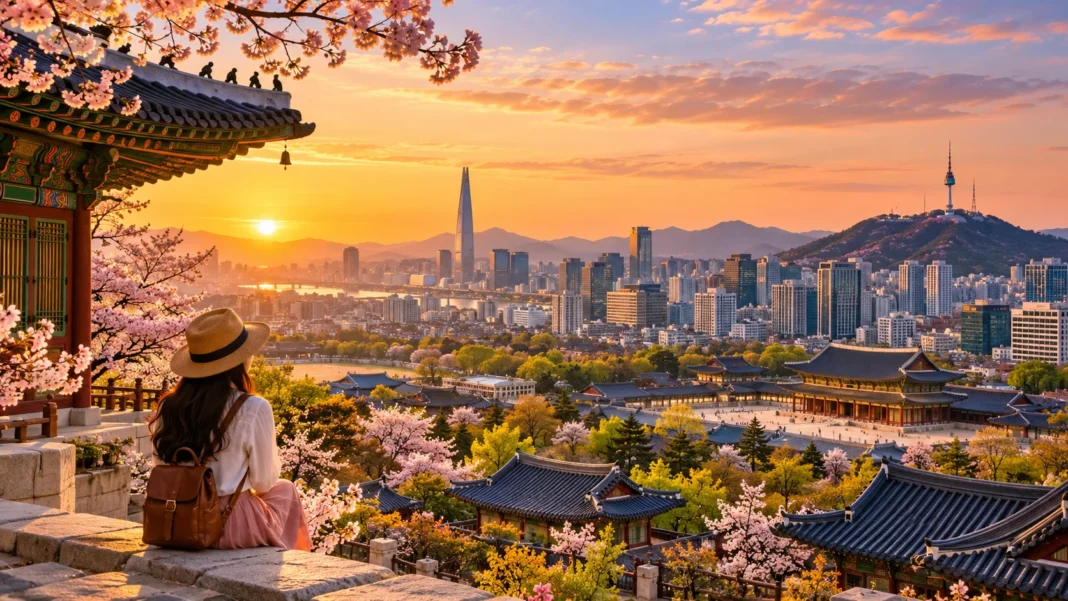
Seoul, the vibrant capital of South Korea, is one of Asia’s most exciting travel destinations, offering a fascinating combination of historic palaces, modern skyscrapers, traditional markets, and beautiful seasonal scenery. From colorful cherry blossoms in spring to golden autumn foliage, the city transforms throughout the year. Understanding the best time to visit Seoul helps travelers enjoy comfortable weather, memorable attractions, and unforgettable Korean cultural experiences.
Whether you are planning a relaxing city vacation, an adventure through historic neighborhoods, or a journey inspired by Korean culture, choosing the right season can make a significant difference. Seoul experiences four distinct seasons, each offering unique landscapes, festivals, and outdoor activities. Spring and autumn are particularly popular, while summer and winter provide their own interesting travel experiences.
This comprehensive Seoul travel guide explores seasonal weather, the best months to visit, popular attractions, and essential travel tips. You will discover when to experience cherry blossoms, autumn foliage, cultural festivals, and beautiful city landscapes. With thoughtful planning, your Seoul vacation can combine enjoyable sightseeing, delicious Korean cuisine, and memorable cultural discoveries.
When Is the Best Time to Visit Seoul?
The best time to visit Seoul is generally during spring, from April to May, or autumn, from September to November. These seasons usually offer more comfortable temperatures for exploring historic palaces, traditional neighborhoods, and outdoor attractions. Visitors can enjoy pleasant walking conditions while discovering the city’s fascinating combination of cultural heritage and modern entertainment.
April is especially popular because cherry blossoms transform parks and streets into beautiful displays of pink and white flowers. October is another excellent choice, offering cooler weather, colorful autumn leaves, and enjoyable sightseeing conditions. Both periods attract travelers interested in photography, cultural exploration, and spending time outdoors without the strongest summer heat.
However, the ideal travel season depends on your individual preferences and planned activities. Summer attracts visitors who enjoy lively festivals and green landscapes, while winter offers seasonal celebrations and opportunities to experience snowy scenery. Understanding these differences helps you choose dates that match your interests, available budget, and expectations for your Korean adventure.
Visiting Seoul in Spring: March to May
Spring is one of the most beautiful seasons in Seoul because temperatures gradually become warmer and colorful flowers begin appearing throughout the city. Parks, gardens, and historic palace grounds develop a refreshing atmosphere after the colder winter months. This season is particularly appealing for travelers interested in outdoor sightseeing, photography, and exploring traditional Korean neighborhoods.
March often remains cool, with average temperatures around 8°C, making jackets and comfortable layers useful. April typically brings milder conditions, while May becomes warmer and more suitable for extended outdoor activities. However, spring weather can change unexpectedly, and occasional yellow dust or fine-particle pollution may affect air quality and outdoor plans.
Popular spring experiences include visiting Gyeongbokgung Palace, walking through Namsan Park, and exploring flower-filled areas around Yeouido. Travelers can also discover traditional cafés, local markets, and beautiful riverside paths. Because spring attracts considerable tourism, booking popular accommodation and important attractions in advance may provide more choices and convenient travel arrangements.
Best Time to See Cherry Blossoms in Seoul
Cherry blossom season is one of Seoul’s most anticipated annual attractions, drawing visitors who want to experience the city’s beautiful flowering trees. Blossoms generally appear between late March and early April, depending on temperatures and seasonal weather patterns. Their delicate pink and white flowers create impressive scenery around parks, lakes, rivers, and historic landmarks.
Yeouido is among the most famous cherry blossom viewing destinations, particularly along the streets near the National Assembly building. Seokchon Lake also provides beautiful flowering scenery alongside attractive waterfront walking paths. Visitors may discover additional blossom displays around Seoul Forest, university neighborhoods, and selected palace gardens during favorable blooming conditions.
Because cherry blossoms remain at their peak for a relatively short period, exact travel timing can be difficult to predict. Warmer or colder weather may shift the flowering season from one year to another. Checking updated seasonal forecasts and allowing some flexibility in your itinerary can improve your chances of enjoying this memorable spring experience.
Visiting Seoul in Summer: June to August
Summer in Seoul is characterized by warm temperatures, high humidity, and lively seasonal activities throughout the city. June often begins with increasingly warm weather, while July and August can become particularly hot and humid. Average monthly temperatures commonly reach the mid-to-upper twenties Celsius, with daytime conditions sometimes becoming considerably warmer.
Despite the heat, summer provides opportunities to explore green parks, enjoy indoor cultural attractions, and experience seasonal entertainment. The Han River becomes a popular destination for riverside relaxation and recreational activities. Air-conditioned museums, shopping centers, and cafés also offer comfortable alternatives when outdoor temperatures become difficult for extended sightseeing.
Visitors traveling during summer should prepare for changing weather and schedule outdoor exploration during more comfortable parts of the day. Lightweight clothing, drinking water, and suitable sun protection are useful essentials. Combining early sightseeing with indoor afternoon activities can make a summer vacation more enjoyable without requiring an overly demanding itinerary.
Understanding Seoul’s Rainy Season and Monsoon Weather
Seoul experiences a summer rainy season known as jangma, which generally occurs from late June through July, although its timing varies. This period can bring frequent rainfall, humid conditions, and occasional heavy storms. Travelers planning outdoor attractions during these months should prepare for weather-related changes and maintain flexible daily schedules.
Rainfall patterns are not identical every year, and some periods may include pleasant conditions between rainy days. However, sudden downpours can affect walking routes, transportation, and outdoor sightseeing. Areas near streams and rivers may also experience temporary restrictions when heavy rainfall creates flooding risks or unsafe environmental conditions.
A rainy-season itinerary can include indoor destinations such as the National Museum of Korea, art galleries, shopping districts, and traditional food experiences. Carrying a compact umbrella and weather-resistant clothing can provide additional convenience. Checking forecasts and official safety notices before visiting outdoor attractions helps travelers make informed decisions during unsettled weather.
Visiting Seoul in Autumn: September to November
Autumn is widely considered one of the best seasons to travel to Seoul because temperatures become more comfortable and the city’s trees develop beautiful seasonal colors. September often remains relatively warm, while October brings cooler conditions and pleasant opportunities for walking. November becomes noticeably colder as the city approaches winter.
The autumn scenery is particularly attractive around historic palaces, public parks, and mountain viewpoints. Trees display shades of gold, orange, and crimson, creating memorable landscapes against traditional Korean architecture. Travelers interested in photography and cultural sightseeing often appreciate the combination of comfortable temperatures, clear skies, and colorful natural surroundings.
October is especially appealing for exploring neighborhoods such as Bukchon Hanok Village, Insadong, and areas surrounding the royal palaces. Visitors can also enjoy traditional markets and scenic city parks. Because autumn foliage attracts domestic and international travelers, popular accommodation and sightseeing areas may become busy during weekends and holiday periods.
Best Places to See Autumn Foliage in Seoul
Seoul offers several beautiful locations for experiencing autumn foliage, ranging from historic palace gardens to peaceful mountain landscapes. Namsan Park is a popular destination because its wooded slopes provide colorful seasonal scenery and impressive city views. Visitors can explore suitable walking paths while appreciating the contrast between natural landscapes and modern buildings.
Changdeokgung Palace and its Secret Garden are particularly attractive during autumn when traditional architecture is surrounded by colorful trees. Seoul Forest also offers pleasant walking routes and picturesque foliage throughout selected areas. The combination of cultural landmarks and changing leaves makes these destinations especially appealing for travelers interested in photography.
Peak foliage timing varies according to weather conditions, elevation, and the types of trees present. Late October through early November is often an attractive period for autumn colors in Seoul, although exact dates differ annually. Checking seasonal updates before departure can help visitors plan suitable sightseeing days without expecting identical conditions every year.
Visiting Seoul in Winter: December to February
Winter transforms Seoul into a destination filled with festive decorations, cold weather, seasonal food, and occasional snowfall. Temperatures frequently fall below freezing, particularly during January, which is usually among the coldest months. Travelers can experience a different side of the city as parks, streets, and mountain landscapes take on a distinctly winter atmosphere.
Popular winter activities include visiting illuminated shopping districts, exploring museums, enjoying traditional Korean restaurants, and discovering seasonal cultural celebrations. Snow can create beautiful views around historic palaces, although snowfall is not guaranteed during any particular visit. Travelers interested in winter sports may also consider suitable organized excursions to established resorts outside Seoul.
Cold winds and icy conditions can make outdoor sightseeing uncomfortable without appropriate preparation. Warm coats, gloves, scarves, and comfortable footwear are important for winter travel. Planning a mixture of indoor attractions and shorter outdoor visits allows travelers to appreciate Seoul’s seasonal atmosphere while maintaining comfort during colder days.
Seoul Weather by Month: What Travelers Should Expect
Understanding Seoul’s monthly weather patterns can help travelers choose suitable activities and prepare for seasonal changes. January and February are cold, while March begins the transition into spring. April offers flowering landscapes, and May generally provides pleasant weather for walking, outdoor dining, and exploring major cultural attractions.
June becomes warmer and more humid, followed by the rainy conditions commonly associated with July. August often remains hot, while September marks the gradual transition toward autumn. October generally offers comfortable sightseeing weather, and November introduces cooler temperatures alongside the final stages of colorful autumn foliage.
December brings the beginning of winter, with cold temperatures, shorter daylight hours, and seasonal decorations. The precise conditions during any month can differ from historical averages because weather varies from year to year. Checking an updated forecast shortly before departure helps travelers select appropriate clothing and organize outdoor activities more effectively.
Best Time to Visit Seoul for Popular Attractions
Seoul’s famous attractions can be enjoyed throughout the year, although certain seasons provide particularly attractive surroundings. Gyeongbokgung Palace and Changdeokgung Palace are especially beautiful during spring blossoms and autumn foliage. Their historic architecture creates memorable scenery when combined with comfortable temperatures and colorful seasonal landscapes.
N Seoul Tower offers panoramic views of the capital and surrounding mountains, making clear-weather days particularly appealing. Bukchon Hanok Village provides opportunities to appreciate traditional Korean architecture, while Insadong features cultural shops and traditional experiences. These attractions are generally enjoyable during spring and autumn when walking conditions are more comfortable.
Indoor destinations such as museums, shopping centers, and cultural exhibitions remain appealing during hot summers and cold winters. Myeongdong, Hongdae, and other commercial neighborhoods offer different entertainment and dining experiences throughout the year. Organizing attractions by location helps reduce unnecessary transportation and makes sightseeing easier regardless of the travel season.
Best Time to Visit Seoul on a Budget
Travel costs in Seoul can vary depending on accommodation demand, holidays, local events, and international travel patterns. Spring cherry blossom season and popular autumn weekends may bring increased hotel prices in desirable locations. Travelers who remain flexible with their dates may find more accommodation choices outside these busy periods.
Winter can sometimes offer comparatively affordable accommodation, particularly outside major holiday celebrations and special events. Summer prices vary, and rainfall may influence visitor demand during certain weeks. However, there is no guarantee that one entire season will always be cheaper because costs depend on property location, booking timing, and availability.
To manage expenses, compare accommodation options near convenient subway stations and consider using Seoul’s extensive public transportation network. Exploring public parks, traditional neighborhoods, and selected free cultural attractions can also reduce sightseeing costs. Creating a realistic budget for meals, transportation, accommodation, and admission fees helps travelers enjoy the city comfortably.
Essential Seoul Travel Tips for First-Time Visitors
Before traveling to Seoul, confirm your passport validity, visa requirements, and any applicable electronic travel authorization rules for your nationality. Entry conditions can change, so official information should be reviewed before departure. Organizing accommodation and airport transportation arrangements in advance can also make your arrival more convenient.
Seoul has an extensive transportation system that includes subway trains, buses, and airport connections. A compatible transportation card can simplify journeys across many services, although payment options and fares should be checked before traveling. Navigation and translation applications can also help visitors explore neighborhoods and communicate more comfortably.
Pack clothing suitable for your chosen season and remember that temperatures can change considerably between daytime and evening. Comfortable walking shoes are useful because many attractions involve substantial walking. Respecting local customs, following transportation etiquette, and allowing flexibility in your itinerary can make your Seoul travel experience more enjoyable and memorable.
Conclusion
The best time to visit Seoul depends on your preferred activities, weather expectations, and travel interests. Spring offers beautiful cherry blossoms and comfortable sightseeing conditions, while autumn provides colorful foliage and pleasant temperatures. Summer brings lively urban experiences, and winter reveals a different atmosphere through cold-weather scenery and seasonal celebrations.
For many first-time visitors, April, May, and October are especially appealing months because they combine attractive landscapes with generally comfortable weather. However, Seoul remains an exciting destination throughout the year, with museums, cultural landmarks, restaurants, and shopping districts available across different seasons. Careful planning helps travelers make the most of each period.
Whether you want to explore royal palaces, photograph cherry blossoms, enjoy traditional Korean cuisine, or discover lively neighborhoods, Seoul offers memorable experiences in every season. Choosing suitable travel dates, preparing for local weather, and creating a balanced itinerary can improve your journey. With its fascinating history and vibrant modern culture, Seoul is a destination worth exploring.
Frequently Asked Questions (FAQs)
What is the best month to visit Seoul?
April, May, and October are among the best months to visit Seoul because temperatures are generally comfortable for sightseeing. April offers cherry blossoms, while October is especially attractive for autumn scenery.
When is cherry blossom season in Seoul?
Cherry blossoms generally appear between late March and early April, with peak flowering often occurring in early April. Exact dates vary annually depending on weather conditions and seasonal temperatures.
Is Seoul expensive for tourists?
Seoul offers accommodation, dining, and transportation options for different budgets. Costs can increase during popular travel periods, but public transportation, affordable restaurants, and free attractions can help manage expenses.
What is the rainy season in Seoul?
Seoul’s rainy season, known as jangma, generally occurs from late June through July. Heavy rainfall and humid conditions can affect outdoor sightseeing, so travelers should prepare flexible itineraries.
How many days are enough to explore Seoul?
Four to five days usually provide enough time to explore major palaces, cultural neighborhoods, markets, and popular attractions. A longer stay allows additional museums, scenic destinations, and day trips.