Maximizing Vertical Space
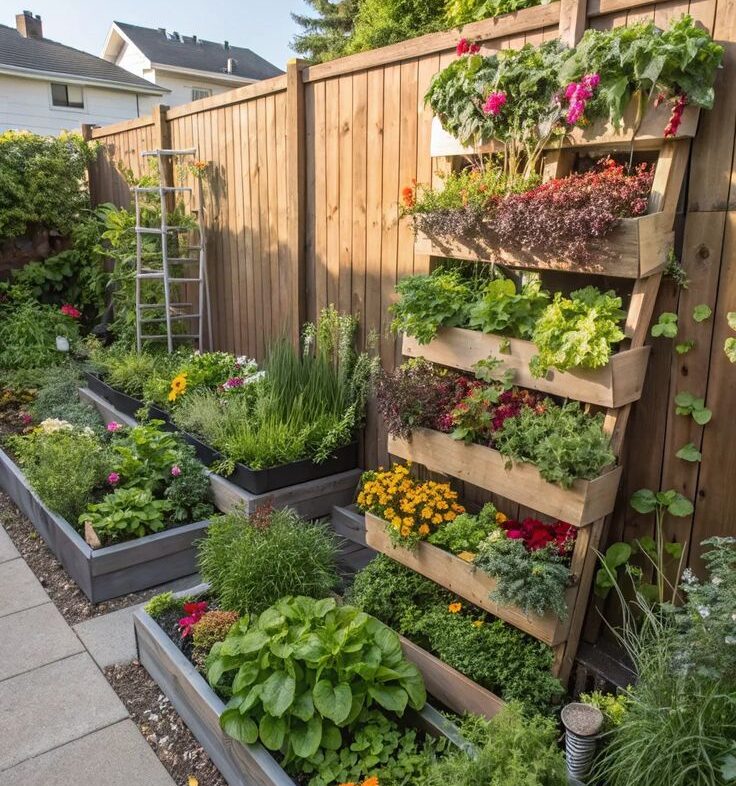
In urban environments and smaller residential areas, maximizing the available space for gardening can be a challenging task. One innovative solution to this problem is vertical gardening, which involves utilizing the vertical surfaces of a given area to cultivate plants. This approach makes it possible to grow a wide variety of flowers, herbs, and vegetables, thereby enhancing both the aesthetic appeal and functionality of compact spaces. Vertical gardens can be created using various methods, including wall-mounted planters, trellises, and hanging pots. Wall-mounted planters allow individuals to create a beautiful tapestry of greenery on their walls, providing an eye-catching feature that transforms an otherwise mundane space. Trellises can be placed against walls or fences to support climbing plants, effectively using the vertical dimension while providing essential support for growth. Hanging pots offer the flexibility of positioning plants at different heights, contributing to a dynamic and layered look in any gardening setting.
The benefits of vertical gardening extend beyond mere aesthetics. By incorporating plants into vertical spaces, gardeners can improve air quality, as plants naturally absorb carbon dioxide and release oxygen. Additionally, vertical gardens can help reduce the urban heat island effect, cooling the surrounding air and creating a more enjoyable microclimate. Furthermore, growing plants vertically often requires less water than traditional gardening methods, making it a more sustainable option. This method not only optimizes the limited ground area available but also promotes biodiversity, allowing for an impressive array of plant life to coexist in a single compact environment.
In conclusion, adopting vertical gardening techniques offers a practical and effective means of maximizing the use of limited space while cultivating a diverse range of plants. Whether through wall-mounted options, trellises, or hanging arrangements, each method contributes to both the beauty and ecological health of compact living areas.
Container Gardening Basics
Container gardening has emerged as a practical and versatile solution for individuals living in compact homes. This approach allows enthusiasts to cultivate plants, flowers, and even vegetables in limited spaces, such as balconies, patios, or small yards. The flexibility provided by container gardening not only enhances aesthetic appeal but also maximizes the use of available space.
When selecting containers, it is important to consider various factors, including size, material, and drainage. Common materials for containers include plastic, ceramic, and metal; each offering distinct advantages in terms of weight, durability, and insulation. Ensuring that containers have adequate drainage holes is crucial to prevent waterlogging, which can adversely affect plant health.
Choosing the right soil mix is another essential aspect of successful container gardening. Traditional garden soil is often too dense for containers, leading to inadequate aeration. Instead, opting for a high-quality potting mix specifically designed for container use is advisable. Such mixes typically contain a blend of peat moss, perlite, and vermiculite, which provide the necessary drainage and aeration while retaining moisture.
Plant selection is equally significant when engaging in container gardening. For smaller spaces, it is beneficial to choose plants that thrive in confined environments. Herbs, dwarf varieties of vegetables, and flowering plants such as petunias or geraniums are excellent choices. Additionally, incorporating vertical elements, like trellises or hanging planters, can further optimize space and enhance the visual interest of the garden.
The beauty of container gardening lies in its adaptability. Gardeners can easily rearrange containers to reflect changing seasons or personal preferences. This mobility allows for a dynamic gardening experience, giving individuals the freedom to express their creativity through plant arrangements while enjoying the benefits of greenery, even in the most compact of spaces.
Choosing the Right Plants for Small Gardens
When it comes to gardening in compact spaces, selecting the right plants is crucial for success. In confined areas such as balconies, patios, or small yards, choosing the appropriate varieties can enhance both aesthetics and functionality. Consider opting for dwarf plants, which are specifically bred to maintain a small stature without sacrificing beauty or yield. Dwarf fruit trees, for instance, can provide fresh produce in limited areas, making them perfect for urban gardeners.
Herbs are another excellent choice for small gardens. They not only thrive in confined spaces but also tend to grow rapidly, providing a bountiful harvest even in small containers. Varieties like basil, parsley, and chives can add flavor to dishes while requiring minimal space. Furthermore, these herbs can be grown indoors on windowsills, taking advantage of natural light without occupying outdoor areas.
In addition to dwarf varieties and herbs, consider small fruit plants such as strawberries or compact blueberries. These plants are designed to grow well in containers and can yield fresh, delicious fruits without needing extensive garden beds. When selecting plants, pay close attention to their growth habits. For example, vining plants like cucumbers can utilize vertical space by climbing trellises, thus freeing up ground area for other plants.
Container gardening presents another opportunity to maximize space. Utilizing pots, boxes, or vertical planters can allow you to create a diverse garden with an abundance of plant types. It’s also essential to ensure that selected plants are compatible in terms of water and light requirements to assist them in flourishing in these limited environments.
By carefully considering plant size, growth habits, and compatibility, gardeners can create thriving small gardens. This strategic approach will ensure that even the most compact spaces can be transformed into lush, productive environments for various plants. With the right choices, small spaces can provide ample beauty and functionality.
Creative Use of Indoor Space
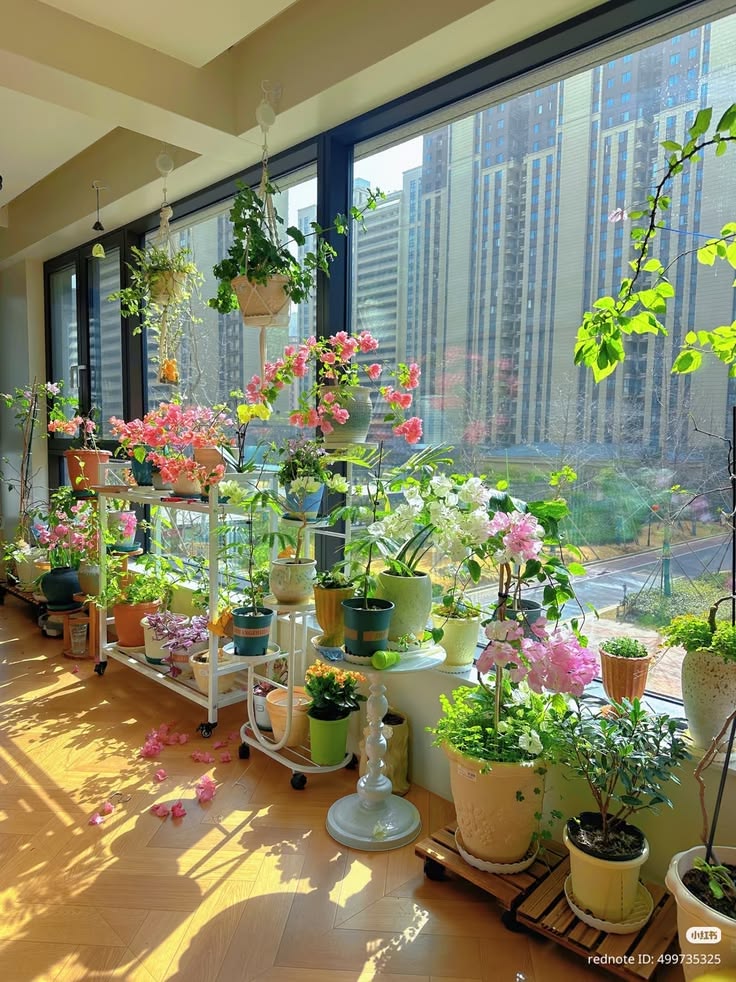
Indoor gardening presents a unique opportunity to maximize space, particularly in compact homes where every square foot counts. Creative use of indoor spaces such as windowsills, shelves, and plant stands provides effective solutions for growing a variety of plants without the need for a vast garden. These small but strategic placements can transform ordinary areas into vibrant green spaces, enhancing both the aesthetic and environmental quality of a home.
Windowsills serve as ideal locations for cultivating indoor plants, taking advantage of natural sunlight for growth. Many plants thrive in these conditions, including herbs such as basil, mint, and chives, which not only enhance the kitchen’s decor but are also practical for cooking. Selecting varieties that require less light and have compact growth habits, such as pothos or snake plants, can allow for a lush display without overwhelming the space.
Shelves can further maximize vertical space, providing an excellent way to showcase multiple plants. By choosing multi-tiered shelves or wall-mounted planters, individuals can create a striking indoor garden that draws the eye upward, creating an illusion of a larger area. Popular options for shelf gardening include succulents and trailing plants, which spread elegantly over the edges. It’s essential to ensure proper drainage and access to adequate sunlight, allowing plants to flourish without the risk of mold or root rot.
Additionally, indoor plant stands provide flexible options for organizing greenery throughout the home. They come in various heights and styles, accommodating different plant types while adding a decorative element. Regular maintenance, including watering schedules and fertilization, is crucial to ensuring plants remain healthy and visually appealing. With a careful selection of low-maintenance indoor plants like peace lilies or spider plants, anyone can enjoy the benefits of indoor gardening, regardless of their space limitations.
Incorporating Edible Plants
The growing trend of incorporating edible plants into small home gardens reflects a desire for both sustainability and aesthetics. With limited space, homeowners can still embrace the benefits of growing their own food by selecting appropriate varieties and utilizing innovative gardening techniques. Edible plants not only enhance the garden’s visual appeal but also provide fresh ingredients for culinary purposes.
One of the most advantageous aspects of growing edible plants in compact spaces is the ability to cultivate herbs. Herbs such as basil, mint, and parsley thrive in containers and can be placed on windowsills, balconies, or small garden patches. These plants not only offer culinary delights but also emit delightful fragrances that enrich the garden ambiance. Vertical gardening systems can further optimize limited space, creating a lush backdrop for these aromatic plants.
Additionally, salad greens, such as lettuce and spinach, are excellent choices for small gardens as they grow quickly and can be harvested continuously. By using raised beds or tiered planters, gardeners can effectively manage space while enjoying a fresh supply of these nutritious greens. Community gardening or sharing raised garden beds can also increase opportunities for individuals with limited areas to grow diverse edible plants.
Dwarf vegetable varieties have become increasingly popular due to their compact nature, making them ideal for small home gardens. Vegetables like cherry tomatoes, baby carrots, and dwarf bean plants can produce bountiful yields without requiring extensive ground area. Strategically placing these plants in containers or using trellises enhances their growth potential while adding an attractive touch to the garden layout.
By creatively integrating these edible plants into small spaces, gardeners can enjoy the dual benefits of cultivating their own food and enhancing the overall aesthetic of their home environment. Through thoughtful planning and selection, small gardens can transform into vibrant spaces brimming with life and sustenance.
DIY Gardening Solutions
In small or compact spaces, gardening can be a challenging yet rewarding endeavor. Embracing creativity and resourcefulness in utilizing everyday materials is key to creating unique gardening solutions. Various DIY projects enable gardeners to maximize their limited space while adding a personal touch to their green areas.
One of the most popular DIY projects is the construction of vertical planters. These planters can be made using repurposed wooden pallets, plastic bottles, or even old shoe organizers. By arranging these planters on walls or fences, gardeners can cultivate a variety of plants such as herbs, flowers, or succulents while saving ground space. Vertical gardening not only creates visual interest but also allows for improved airflow and sunlight exposure, promoting healthier plants.
Another practical solution is the installation of trellis systems. Trellises can support climbing plants, encouraging upward growth rather than spreading horizontally. Creating a trellis can be as simple as using bamboo sticks, lattice panels, or even old garden fences. By carefully selecting climbing plants like peas, beans, or cucumbers, gardeners can enjoy a bountiful harvest without sacrificing space.
Self-watering pots represent another innovative solution for compact gardening. These pots can be created using two plastic containers—one serving as the main pot, while the other acts as a reservoir for water. This setup ensures that plants receive a consistent water supply, reducing the frequency of watering. Self-watering systems are particularly beneficial for busy individuals or those who travel frequently, as they facilitate plant care over longer periods.
Ultimately, DIY gardening solutions empower individuals to cultivate their green space in inventive ways. With projects like vertical planters, trellis systems, and self-watering pots, even the smallest of areas can be transformed into thriving gardens. Using everyday materials not only conserves resources but also fosters a sense of satisfaction and pride in one’s gardening accomplishments.
Companion Planting in Small Areas
Companion planting is a sustainable gardening practice that can significantly enhance the productivity of compact spaces. This method involves growing different plants in proximity for mutual benefit, such as pest control, pollination assistance, and maximizing the use of available resources like light and nutrients. In small gardens where space is at a premium, implementing companion planting can transform an ordinary patch into a thriving ecosystem.
One effective strategy in companion planting is the combination of plants that deter pests or attract beneficial insects. For example, marigolds are well known for their ability to repel nematodes and certain aphid species, making them an excellent companion for vegetables like tomatoes and peppers. By interspersing marigolds among these plants, gardeners can naturally reduce pest populations while enhancing the overall health of their crops.
Another impactful pairing is the practice of planting basil alongside tomatoes. Basil not only elevates the flavor of the tomatoes but also helps repel whiteflies, which can afflict tomato plants. This symbiotic relationship features another element of companion planting; it creates an environment that promotes healthier growth patterns, making it easier for gardeners to reap a bountiful harvest from limited space.
Some other effective combinations include planting carrots with onions, as the strong scent of onions can help mask the aroma of carrots, confusing pests. Additionally, growing beans with corn can be a beneficial arrangement; beans fix nitrogen in the soil while climbing the sturdy stalks of corn, which provides them with necessary support. Such interplanting techniques are particularly advantageous for those working with compact gardening areas.
Overall, companion planting is not only a method to maximize the productivity of compact spaces, but also a way to foster a more resilient and natural gardening approach. By considering the unique benefits of various plant pairings, gardeners can utilize companion planting to create a flourishing environment even in the smallest of gardens.
Seasonal Gardening Tips
Gardening in compact spaces calls for adaptability and strategic planning, particularly as seasons change. To optimize yield throughout the year, it is essential to develop a planting schedule tailored to the specific climate and the constraints of your gardening area. Understanding the seasonal variations in temperature, light, and moisture will guide your decisions on what to plant and when.
During the spring, when temperatures begin to rise, it is ideal to plant early vegetables and herbs that can thrive in cooler conditions. Crops such as lettuce, radishes, and peas establish quickly and can be harvested in a relatively short time, allowing for subsequent planting later in the season. As the weather warms, consider transitioning to heat-loving plants like tomatoes, peppers, and basil, which can flourish in the longer daylight hours.
As summer unfolds, maintain your compact garden by implementing crop rotation practices. This involves rotating different families of plants to prevent nutrient depletion in the soil and reduce pest buildup. For instance, after harvesting summer crops, plant a new batch of leafy greens in their place. Not only do leafy greens grow quickly, but they also benefit from the remaining nutrients left by the previous crops.
In the fall, as temperatures begin to drop, plan for a late harvest by planting cold-hardy varieties. Vegetables such as kale and Brussels sprouts can tolerate cooler temperatures, allowing for a continued harvest well into the winter months. Additionally, incorporating cover crops can enhance soil health during the off-season, preventing erosion and enriching the soil for future growing seasons.
Throughout these transitions, monitoring local frost dates and adjusting your planting calendar accordingly is paramount. By embracing the changes each season brings, you can efficiently maximize your compact garden’s yield and ensure a diverse selection of produce all year round.
Maintaining Your Small Garden
Successful maintenance of a small garden requires a well-thought-out approach that accounts for the unique challenges posed by limited space. One of the most crucial elements of garden care is efficient watering. Small gardens can dry out quickly, especially in warmer months, making it essential to implement appropriate watering techniques. Opt for deep watering sessions that encourage roots to grow deeper into the soil, rather than frequent, shallow applications. Consider using drip irrigation systems or self-watering pots, which provide a consistent moisture supply and reduce water evaporation.
Pest management in a small garden also necessitates careful consideration. Given the close proximity of plants, issues can spread quickly if not promptly addressed. Regularly inspect your plants for any signs of pest infestations or diseases. Encouraging beneficial insects, such as ladybugs and lacewings, can help naturally control harmful pests. In addition, using organic pest control methods, such as neem oil or insecticidal soap, minimizes damage while maintaining an eco-friendly approach to garden care.
Another vital aspect of maintaining a thriving garden in confined spaces is effective fertilization. Because the soil in smaller gardens can become depleted more quickly, it’s important to supplement it with nutrients. Conduct regular soil tests to determine what amendments are necessary. Organic fertilizers, such as compost or worm castings, are excellent choices as they not only provide nutrients but also enhance soil structure and promote beneficial microbial activity.
Additionally, implementing companion planting strategies can help optimize space while promoting plant health. By grouping plants that thrive together, the resultant biodiversity can lead to healthier growth and reduced pest occurrences. In conclusion, with diligent maintenance and an adaptable strategy, it is entirely feasible to cultivate a vibrant garden even in the compactest of spaces.