Understanding Indoor Gardening
Indoor gardening is an increasingly popular practice that allows individuals to cultivate plants within their homes, providing a touch of nature in indoor settings. This approach not only promotes a healthier living environment but also offers numerous psychological benefits. Research indicates that being around plants can significantly enhance mood, reduce stress, and foster a sense of well-being. Furthermore, indoor plants contribute to improved air quality by filtering toxins and releasing oxygen, making your home healthier.
Engaging in indoor gardening allows individuals to incorporate greenery into their living spaces, enhancing the aesthetics of any room. Plants come in various shapes, sizes, and colors, allowing for endless possibilities in decoration and design. For example, vibrant foliage from houseplants can create focal points, while smaller plants can be used in groups to fill empty spaces, thereby adding a layered effect to home decor.
When considering which plants to introduce into indoor gardening, it’s important to choose those that thrive in lower light conditions typical of most indoor environments. Some popular options include snake plants, pothos, and peace lilies, all of which are known for their hardiness and air-purifying qualities. Additionally, herbs such as basil and mint can easily be grown on windowsills, providing both aesthetic and culinary benefits.
Moreover, indoor gardening can be tailored to the aspects of your lifestyle. Whether you are a seasoned gardener or a beginner, there are suitable plants that cater to varying levels of experience and care requirements. From low-maintenance succulents to more demanding tropical plants, there is something for everyone interested in embracing this rewarding hobby.
Choosing the Right Plants for Your Space
When embarking on an indoor gardening journey, it’s essential to select plants that are well-suited to your specific environment. There are various categories of plants that thrive indoors, making it possible to create a vibrant indoor garden regardless of the size and lighting of your space.
Low-maintenance plants are a popular choice for those new to indoor gardening or those with busy lifestyles. Succulents, for instance, require minimal watering and can adapt to lower light levels, making them ideal for beginners. Other low-maintenance options include snake plants and pothos, which not only survive but also flourish in less-than-ideal conditions.
A major consideration when choosing indoor plants is their air-purifying properties. Certain species, such as the peace lily and spider plant, are known for their ability to improve indoor air quality. By incorporating these plants into your home, you can enhance your living space while benefiting from their natural air filtration capabilities.
Flowering indoor plants, like the African violet and geranium, can bring color and joy to your interior. These plants often require slightly more attention, such as specific watering schedules and adequate light, but the rewards are a beautiful display of blooms that can brighten any room.
When selecting plants, evaluate the light availability in your space. South-facing windows are generally the best for light-loving varieties, while north-facing areas may benefit from shade-tolerant plants. Additionally, other factors such as humidity and temperature should be considered to ensure the health of your indoor garden.
In essence, understanding the different categories of indoor plants, from low-maintenance to air-purifying and flowering varieties, will help you create a thriving indoor garden. With thoughtful consideration of light and environmental conditions, you can choose the best plants that will not only survive but thrive in your unique space.
Essential Tools and Supplies for Indoor Gardening
Indoor gardening can be a fulfilling and enriching activity, requiring specific tools and supplies to ensure success. The list of essential items is not long, but having the right elements is crucial for nurturing plants effectively.
First and foremost, pots are a fundamental component. They come in various sizes and materials, such as ceramic, plastic, or biodegradable options. The choice of pot should be suitable for the type and size of the plants being grown, taking into consideration drainage holes to prevent water accumulation, which can lead to root rot.
Next, quality potting soil is essential for indoor gardening. Unlike garden soil, potting soil is specially formulated to provide the best conditions for potted plants, offering adequate drainage, aeration, and nutrients. It usually contains a blend of materials, such as peat moss, vermiculite, and perlite, tailored for indoor plant growth.
Watering cans are another indispensable tool. A good watering can should be lightweight, easy to handle, and feature a spout that allows for precision pouring. Overwatering is a common mistake in indoor gardening; hence, tools that promote accurate watering can help maintain the plants’ health.
Gardening gloves are a practical addition, safeguarding your hands while dealing with soil and plants. They protect against thorny foliage and help avoid skin irritations from certain plant types or chemicals used in gardening. Comfort and flexibility are important factors to consider when selecting gloves.
In addition to the necessary tools, some optional items can enhance the indoor gardening experience. Grow lights, for example, provide artificial sunlight, which is especially beneficial in areas with limited natural light. They come in various forms, such as LED or fluorescent, and can be beneficial for seed starting or extending the growing season for certain plants. Plant food or fertilizers are also optional but can give your indoor garden an extra boost in nutrients, promoting healthy growth.
By equipping yourself with the essential tools and supplies for indoor gardening, you set a solid foundation for a vibrant indoor space filled with flourishing plants.
Creative Container Options for Indoor Gardens
Indoor gardening has become increasingly popular as people seek to bring nature indoors, even in limited spaces. One of the most significant aspects of creating a successful indoor garden is selecting the right containers. Choosing unconventional and creative containers can enhance both the aesthetic and functional attributes of your indoor plants.
One way to approach container gardening is by repurposing various household items. Items such as old tin cans, wooden crates, or glass jars can transform into charming and unique planters. Ensure that any chosen item is clean and suitable for holding soil and plants. It’s also crucial to consider drainage; if the container lacks holes for water drainage, it’s wise to add a layer of stones at the bottom before placing soil. This will help prevent root rot by allowing excess water to flow away from the plants.
Hanging planters are another innovative choice for indoor gardening that can save space while creating visual interest. They’re perfect for trailing plants that can cascade down, such as pothos or ferns. Hanging planters come in various materials, including macramé, ceramic, or metal, each offering a unique look to complement your home’s decor. Additionally, ensure they are secured with sturdy hooks to support the weight of the plants and soil.
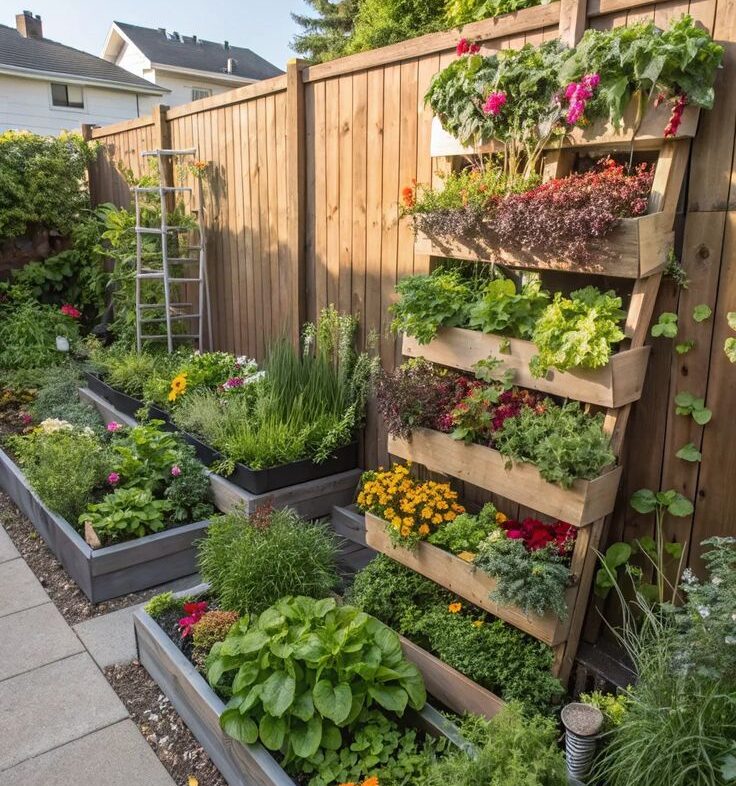
Vertical gardens have gained attention for their ability to maximize wall space, making them an ideal option for urban dwellers with limited room. Vertical planters come in a variety of styles, from wall-mounted systems to freestanding units. Besides being aesthetically pleasing, they allow for a diverse range of plants. When choosing a vertical garden, consider the light conditions of your space and select plants that will thrive in those environments.
In conclusion, exploring creative container options for your indoor garden can lead to stunning results. By utilizing repurposed items, employing hanging planters, and incorporating vertical gardens, you can create an inviting indoor space filled with greenery while addressing practical concerns such as drainage and aesthetic appeal.
An Overview of Indoor Gardening Techniques
Indoor gardening has gained popularity as individuals look for ways to cultivate plants within the confines of their homes. Various techniques have emerged, each offering unique benefits and suitability for different types of plants and spaces. This section will explore some of the most common methods used in indoor gardening.
One traditional technique is potting, where plants are grown in soil within containers. This method allows for great flexibility in design and plant selection, making it ideal for beginners and experienced gardeners alike. Potting facilitates easy care, as different plants can be grouped based on their light and water requirements. It also allows for the reallocation of plants depending on seasonal changes and indoor climate variations.
Another innovative method is hydroponics, where plants are cultivated without soil. Instead, they receive nutrients through mineral-rich water. Hydroponics accelerates plant growth and reduces the risk of soil-borne diseases. This method is particularly beneficial for growing leafy greens and herbs in limited spaces, as it optimizes efficiency and can result in higher yields compared to traditional soil gardening.
Aquaponics is a more advanced technique that combines hydroponics with aquaculture. In this system, fish waste provides organic nutrients for the plants, while the plants help to purify the water for the fish. This symbiotic relationship creates a sustainable environment, making aquaponics an excellent choice for environmentally-conscious gardeners. Additionally, it allows for a diverse range of crops to be grown alongside fish, offering both produce and protein.
Each of these methods—potting, hydroponics, and aquaponics—provides unique advantages. Depending on space, resources, and goals, indoor gardening enthusiasts can choose the technique that best suits their needs and preferences. This diverse range of options allows individuals to enjoy the benefits of gardening year-round, regardless of outdoor conditions.
Maintaining Your Indoor Garden
Caring for your indoor garden is crucial to ensure vibrant and healthy plants. Regular maintenance not only promotes growth but also prevents common issues that can negatively affect your indoor plants. A well-maintained indoor garden requires attention to various aspects such as watering schedules, pest management, and suitable fertilization methods.
Watering is one of the most critical parts of plant care. Each type of plant has its specific water requirements, which can vary based on factors like species, pot size, and environmental conditions. It’s important to establish a regular watering schedule that meets the needs of your plants. Typically, you should allow the topsoil to dry out before watering again, which prevents overwatering—a common problem that can lead to root rot. Using potting mix with good drainage can also help regulate water levels effectively.
Pest management is another essential component of indoor gardening. Keep a close eye on your plants for signs of pests such as aphids, spider mites, or fungus gnats. Early detection can make a significant difference in preventing infestations. Use natural pest control methods where possible; for instance, insecticidal soap or neem oil can effectively tackle pest issues without harming your plants. Additionally, maintaining cleanliness around your plants by regularly wiping leaves and removing dead foliage can help deter these unwanted visitors.
Fertilization plays a vital role in the wellbeing of your indoor garden. Indoor plants typically require supplemental nutrients, particularly during their growing season in spring and summer. Opt for a balanced fertilizer that provides essential nutrients like nitrogen, phosphorus, and potassium. Follow the recommended application guidelines to prevent over-fertilization, which can harm your plants. Diluting fertilizers can often be an effective way to ensure your plants receive the right nutrient levels without adverse effects.
In conclusion, maintaining your indoor garden requires a balanced approach to watering, pest management, and fertilization. By closely monitoring your plants and adjusting care routines as needed, you can enjoy a thriving indoor green space.
Using Indoor Gardens for Culinary Purposes
Growing herbs and vegetables indoors offers numerous advantages, especially for culinary enthusiasts. One of the primary benefits of indoor gardening is the convenience it provides. Home cooks can easily access fresh ingredients right in their kitchens, enhancing the flavor and nutritional value of their meals. Moreover, indoor gardens can be tailored to fit various spaces, making them an excellent option for urban dwellers or those with limited outdoor garden space.
Herbs are among the easiest and most rewarding plants to cultivate indoors. Common choices include basil, parsley, and cilantro. These herbs not only thrive in pots but also require minimal light, making them suitable for various indoor conditions. They can be grown on a windowsill or under grow lights, ensuring they receive sufficient sun exposure even during cloudy days.
Vegetables such as lettuce, spinach, and microgreens are also ideal for indoor gardening. These leafy greens grow quickly and can be harvested multiple times. The ability to grow vegetables indoors allows individuals to enjoy organic produce without the need for pesticides or harmful chemicals, contributing to a healthier diet.
In addition to ease of growth, indoor gardening allows for year-round cultivation. This means that even during the colder months, fresh herbs and vegetables can be harvested, providing home cooks with endless possibilities. Furthermore, the practice of indoor gardening can lead to a greater appreciation of the cooking process, as individuals become more involved in sourcing their ingredients.
For those looking to start their indoor garden, it is essential to select suitable containers, utilize quality potting soil, and ensure proper watering. Incorporating a few easy-to-grow herbs and vegetables can significantly elevate one’s culinary experience, making indoor gardening a worthwhile endeavor for all cooking enthusiasts.
Designing a Stylish Indoor Garden
Incorporating indoor gardens into home decor is a compelling way to enhance both the aesthetic and ambiance of any living space. The strategic placement of plants improves visual interest and creates a soothing atmosphere, all while contributing positively to air quality. To design an enticing indoor garden, one must consider several factors, including the style, light availability, and existing color schemes.
One popular approach is to create a themed indoor garden. For instance, a tropical theme could feature lush greenery such as monstera and philodendron, combined with decorative elements like bamboo or rattan. Alternatively, a minimalist garden could embrace succulents or cacti in sleek, modern planters that match the decor’s color palette. Cohesion is key; ensuring that the plants and containers complement the surrounding decor can significantly elevate the overall aesthetic.
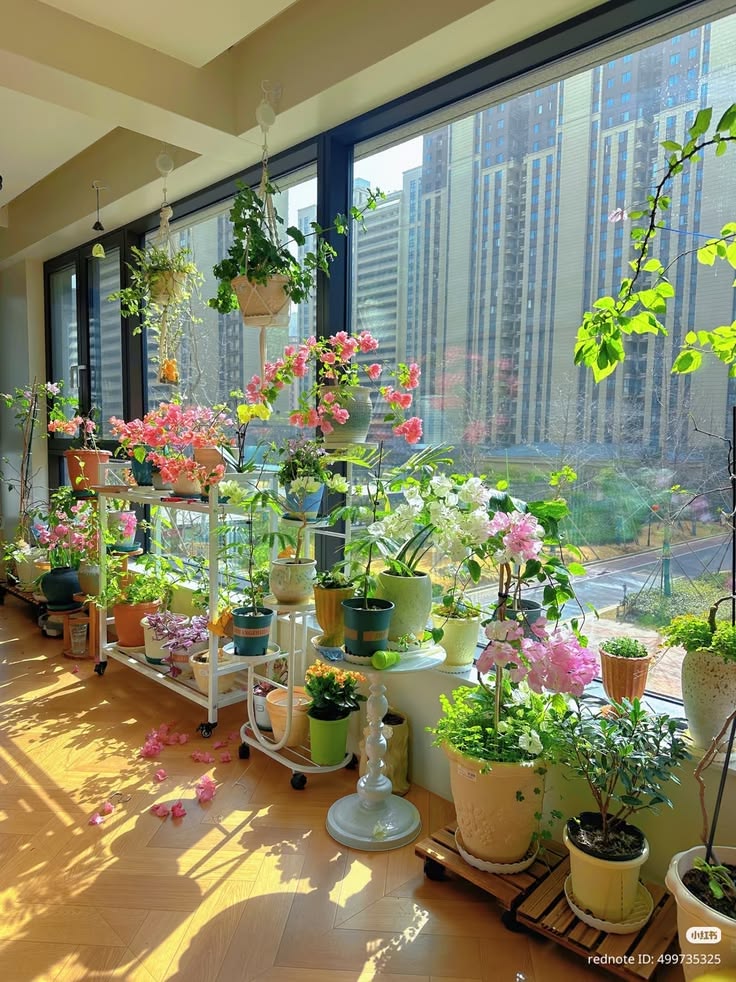
Furthermore, the placement of indoor gardens plays a crucial role in their design. Consideration should be given to window locations and natural light exposure, as these factors greatly affect plant growth. Utilizing shelves or hanging planters can maximize space, especially in smaller areas, while still providing an opportunity to showcase various plant types. Additionally, grouping plants of similar care needs can simplify maintenance and enhance their visual impact.
For those seeking versatility, window boxes or vertical gardens offer innovative solutions that can accentuate walls or blurring the lines between indoor and outdoor spaces. It is essential to ensure that any arrangement is practical and sustainable, taking into account the care requirements of the chosen plants. With thoughtful design and the right approach, an indoor garden may become not only a beautiful focal point but also a reflection of personal style.
Troubleshooting Common Indoor Gardening Issues
Indoor gardening can be a rewarding hobby, but it often presents several challenges that can hinder plant growth. Among these, overwatering is one of the most common problems faced by indoor gardeners. Plants that receive too much water may develop root rot, leading to wilting leaves and eventual plant death. To avoid this issue, it’s essential to check the moisture level of the soil before watering. A simple method is to insert a finger into the soil; if it feels damp up to a knuckle deep, wait a few days before watering again.
Inadequate lighting is another significant challenge for indoor gardeners, especially in homes with limited natural sunlight. Different plants have varying light requirements, and it is crucial to match your plants with the right light conditions. Utilizing grow lights can be an effective solution for enhancing light availability. LED and fluorescent grow lights are popular choices as they offer energy efficiency and can be adjusted in height and intensity as your plants grow.
Pest control is also a vital consideration for maintaining healthy indoor gardens. Common pests like aphids, spider mites, and whiteflies can infest plants, causing stress and damage. To combat these pests, regular inspection of your plants is important. If pests are detected, consider using organic solutions such as insecticidal soap or neem oil, which are less harmful to both plants and the environment compared to chemical pesticides. Also, introducing beneficial insects like ladybugs can help in maintaining a balanced ecosystem in your indoor garden.
By addressing these common challenges—overwatering, lighting issues, and pest infestations—indoor gardeners can create a thriving environment for their plants. Implementing the right preventive measures and solutions can significantly enhance the success and enjoyment of indoor gardening.