



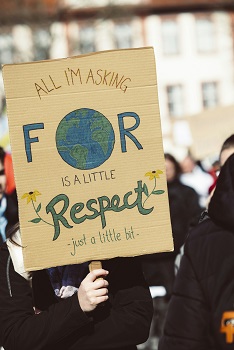
Disagreements are a natural occurrence in human interactions, stemming from the diverse beliefs, values, and experiences that individuals hold. These differences can manifest in various contexts, such as personal relationships, professional environments, and even casual conversations. It is essential to recognize that differences of opinion are not inherently negative; rather, they reflect the complexity and richness of human thought and experience.
One way to understand disagreements is to consider the factors that contribute to them. Personal beliefs, shaped by cultural backgrounds, upbringing, and life experiences, play a predominant role in how individuals perceive situations and form opinions. For example, a person raised in a family that values individualism may disagree with someone from a collectivist background regarding the importance of community versus personal freedom.
Moreover, values, which are deeply held principles that guide behavior, often lead to conflicting viewpoints during discussions. An individual’s ethical stance on issues like social justice, environmental responsibility, or economic policies can create tensions when contrasted with the values of others. Similarly, experiences — both lived and observed — also inform a person’s perspective, leading to varying interpretations of the same event. When discussing a controversial topic, two individuals may hold differing views, informed by their unique experiences.
Understanding that disagreement is a fundamental aspect of human respectful communication can foster a more respectful dialogue between differing parties. Acknowledging the underlying reasons for each person’s viewpoint encourages openness and empathy, which can transform potential conflicts into opportunities for growth and learning. By recognizing the nature of disagreements, we can develop a more constructive approach to resolving them, emphasizing the need for respect in discussions that may initially seem polarized.
The Role of Respect in Communication
Respect serves as a fundamental pillar in effective communication, especially during disagreements. When individuals engage in discussions, particularly on contentious topics, maintaining a respectful demeanor can significantly enhance the quality of the communication. One of the critical components of respect is active listening. This process involves giving full attention to the speaker, understanding their perspective, and reflecting on the information shared. Active listening not only demonstrates respect for the speaker but also promotes an environment where all participants feel valued and heard.
Acknowledging differing viewpoints is another essential aspect of respectful communication. It is imperative to recognize that each participant in a conversation brings their unique experiences and beliefs. By validating these perspectives, it fosters a more inclusive atmosphere where individuals feel empowered to express their thoughts without fear of judgment. Such acknowledgment can lead to more productive discussions and may even facilitate finding common ground or solutions to the disagreement.
Additionally, maintaining a calm tone during disagreements is crucial. When emotions run high, it is easy for dialogues to devolve into conflicts marked by raised voices or hostile language. A calm tone not only reflects a commitment to respect but also helps in de-escalating potential tensions. Participants are more likely to engage in constructive dialogue when the atmosphere is non-confrontational, allowing for a more thorough exploration of differing opinions.
Overall, respect is an essential element that influences communication during disagreements. By practicing active listening, acknowledging differing viewpoints, and maintaining a calm tone, individuals can create an environment conducive to respectful discussions, ultimately leading to more productive outcomes.
Benefits of Honoring Differences
Respecting differences during disagreements holds numerous advantages that can significantly enhance interpersonal dynamics. One primary benefit is the facilitation of a better understanding among individuals. When parties engage with an open mind and a respectful attitude, they enable a dialogue that goes beyond mere surface-level exchanges. This deepened understanding fosters an environment where differing viewpoints can be explored thoughtfully, allowing for a comprehensive grasp of the reasoning behind conflicting opinions.
Furthermore, honoring differences can lead to stronger relationships. When individuals respect each other’s opinions, it fosters trust and mutual appreciation. This sense of respect can transform a potentially contentious interaction into an opportunity for collaboration. Individuals who feel their perspectives are valued are more likely to engage meaningfully, and this respect can pave the way for lasting partnerships, whether in personal or professional settings.
Additionally, embracing diverse viewpoints can spur creative problem-solving. In environments where respect is endemic, contrasting ideas often lead to innovative solutions. By bringing different perspectives to the table, individuals can challenge each other’s assumptions and encourage out-of-the-box thinking. This collaborative effort can unlock new possibilities that would not have been discovered in a less respectful context. Overall, the advantages of showing respect during disagreements underscore the importance of cultivating a culture where differences are not merely tolerated but celebrated. By fostering an atmosphere of respect, all parties can navigate conflicts more effectively, resulting in improved outcomes for everyone involved.
Common Pitfalls of Disrespect in Disagreements
Disagreements are an inherent part of human interaction, yet the manner in which individuals engage in these discussions can significantly impact their consequences. Disrespect often manifests in several detrimental ways, substantially affecting the dynamics of conversations and relationships. One common pitfall is interruptions, where one party cuts off the other while they are speaking. This behavior suggests that one person’s thoughts and feelings are more important than those of their counterpart, and it can lead to frustration and resentment, undermining any chance for constructive dialogue.
Name-calling is another egregious form of disrespect that can arise during disagreements. Resorting to insults or derogatory terms signifies a lack of respect for the other person, turning a potentially productive conversation into a personal attack. Such behavior not only alienates the recipient but can also escalate the disagreement, making it increasingly difficult to reach a resolution. Additionally, dismissive gestures, such as rolling one’s eyes or scoffing, convey a sense of superiority and disregard, which can belittle the concerns of others and derail meaningful exchange.
These actions, while sometimes unintentional, create communication barriers and foster animosity. They can lead to a spiraling effect where both parties feel disrespected, prompting them to adopt further negative behaviors. Over time, continual engagement in such practices can erode trust and connection, damaging the foundation of both personal and professional relationships. Respectful communication, on the other hand, cultivates understanding and openness, helping to navigate disagreements with grace and efficacy.
Strategies for Practicing Respect
Engaging in disagreements is an inevitable part of human interaction, and respecting differing opinions is vital for constructive dialogue. To practice respect during such encounters, one can adopt various effective strategies that promote understanding and cooperation.
One fundamental technique involves the use of “I” statements. Instead of generalizing or accusing others, individuals can express their feelings or thoughts by starting statements with “I feel” or “I think.” This approach minimizes defensiveness and shifts the focus from blaming others to sharing personal beliefs. For instance, rather than saying “You never listen to me,” one might articulate, “I feel unheard when I am interrupted.” This subtle change fosters a more open and respectful exchange.
Staying focused on the issue at hand while maintaining respect for the person’s viewpoint is another critical strategy. During discussions, it is easy to divert attention toward personal attributes or past conflicts; however, concentrating on the topic ensures that the dialogue remains productive. Participants should aim to address the specific matter rather than personalizing the disagreement, as this builds a more respectful environment.
Finding common ground is also essential when navigating disagreements. By identifying shared interests or beliefs, even individuals with opposing views can establish a foundation for mutual respect. This can lead to a more collaborative atmosphere where solutions are sought rather than conflicts are exacerbated. Affirming points of agreement, no matter how minor, encourages positivity and reinforces respectful communication.
By implementing these strategies—using “I” statements, focusing on issues, and seeking common ground—individuals can promote a culture of respect during disagreements. Embracing these practices not only aids in resolving conflicts but also strengthens relationships, fostering a more understanding community.
The Long-Term Impact of Respect on Relationships
Practicing respect during disagreements significantly influences the long-term dynamics of relationships. When individuals approach conflicts with respect, they are not only engaging with the immediate issue but also demonstrating regard for one another’s feelings, thoughts, and perspectives. This initial act of consideration contributes to building a solid foundation of trust that is essential for sustaining healthy relationships.
Over time, participating in respectful dialogues encourages open communication among parties involved. It allows individuals to express their concerns without fear of dismissal or aggression, thereby fostering an environment where mutual understanding can flourish. When disagreements are handled with respect, individuals feel heard and valued, reducing the likelihood of resentment or lingering animosity.
Moreover, respect in disagreement promotes a collaborative spirit. When parties engage with the mindset of finding common ground, they create opportunities for solutions that incorporate diverse viewpoints. This collaborative approach ensures that each person’s input is acknowledged, thus instilling a sense of ownership towards the resolution process. As a result, the relationship evolves, driven by shared experiences and reinforced mutual respect.
Importantly, the habit of demonstrating respect, even in challenging situations, shapes future interactions, often leading to less conflict and more productive engagements. Individuals who experience respect in disagreement are likely to feel more satisfied and committed to the relationship, whether it be personal or professional. In contrast, unresolved issues stemming from disrespect can lead to fractured relationships and decreased cooperative efforts.
Ultimately, showing respect during disagreements cultivates a culture of understanding and collaboration that reverberates through the relationship, yielding lasting benefits over time. The positive impact of such behavior not only improves the current relational landscape but also enhances future interactions, confirming why respect is fundamental in addressing conflicts.
Case Studies: Respect in Action
Respect is a fundamental aspect of effective communication, especially during disagreements. Several case studies illustrate how exhibiting respect can lead to positive resolutions, fostering a cooperative environment even in challenging situations. One notable example occurred during a community meeting in a small town where residents were divided over a proposed zoning change. Tensions ran high, and disagreements erupted among attendees, but the mayor set a precedent for respectful dialogue by allowing everyone a chance to speak without interruption. By acknowledging the perspectives of both proponents and opponents of the change, the mayor demonstrated respect for diverse viewpoints. This respectful approach not only diffused immediate tensions but also encouraged collaborative discussions that resulted in a compromise beneficial to all parties involved.
Another compelling instance took place in a corporate setting during a strategic planning session. Two department heads vehemently disagreed on budget allocations. The conflict risked creating a rift within the leadership team. However, by emphasizing respect throughout the conversation, the senior executive facilitated a productive dialogue. He reminded the team to listen actively and focus on the company’s shared objectives. This strategy allowed the department heads to voice their concerns while remaining respectful toward each other. As a result, they found common ground and agreed to a revised budget that aligned with both departments’ goals, ultimately strengthening inter-departmental relationships.
Additionally, a family mediation case provides another clear example of the role respect plays in resolving disputes. During a conflict over inheritance, the mediator emphasized the importance of respect in navigating emotional challenges. Family members were encouraged to express their feelings without derogatory comments. This respectful approach led to a calmer atmosphere, allowing negotiations to proceed constructively, culminating in an agreement that honored the desires of all parties involved. Respect, therefore, emerged as a transformative factor in not just resolving disagreements but also rebuilding relationships that may have been strained.
Encouraging Respect in Vulnerable Situations
In any disagreement, especially those involving family or intimate relationships, emotions can often run high. It is crucial to cultivate respect during these vulnerable situations, as this helps maintain healthy communication and prevents damage to relationships. Emphasizing the importance of respect and offering strategies for achieving this can foster an atmosphere conducive to constructive dialogue.
One effective approach to encourage respectful communication is to practice active listening. This involves not only hearing what the other person is saying but also understanding their perspective. By demonstrating genuine interest in their feelings and thoughts, individuals can validate each other’s viewpoints, even amid disagreements. This mutual acknowledgment is vital in promoting respect and reducing defensiveness.
Additionally, setting ground rules for discussions can serve as a foundation for respectful exchanges. These rules might include refraining from personal attacks, avoiding raising voices, or taking breaks if conversations become too heated. Establishing such guidelines encourages individuals to remain focused on the issue at hand rather than devolving into personal grievances, which can escalate tensions.
It is also beneficial to express emotions in a constructive way. Instead of resorting to blame or judgment, individuals can focus on using “I” statements to communicate how they feel. For instance, saying “I feel hurt when…” can help convey feelings without putting the other person on the defensive. This shift in communication style can greatly enhance respect and understanding.
Ultimately, cultivating respectful communication within vulnerable situations requires commitment from all parties involved. By prioritizing mutual understanding, active listening, and constructive expression of emotions, individuals can navigate conflicts more effectively. Remember, respect serves as the cornerstone of productive discussions, enabling relationships to thrive even in challenging circumstances.
Wrapping Up: The Importance of Respect in Our Lives
Respect plays a vital role in various aspects of human interaction, especially during disagreements. Throughout this blog post, we examined multiple facets of how respect impacts conversations, decision-making, and understanding among individuals. The ability to engage respectfully, even in the face of differing opinions, is essential for fostering a constructive dialogue. While disagreements can arise from differing perspectives, maintaining a foundation of respect allows for the expression of diverse viewpoints without descending into hostility.
Moreover, respectful communication is not just crucial for individual interactions; it extends to the communal and societal levels. In communities where respect is prevalent, individuals are more likely to feel valued, leading to greater harmony and collaboration. This principle is particularly important in settings such as workplaces, educational institutions, and local communities, where diverse perspectives can contribute to richer discussions and more robust solutions.
As we navigate our daily lives, it is imperative to reflect on our approaches to disagreements. Are we listening actively? Are we responding with empathy? By practicing respect in our interactions, we not only honor the dignity of others but also enrich our own understanding and growth. The cultivation of respect encourages an open-minded atmosphere, allowing for greater acceptance of different opinions and perspectives.
In summary, respect is a cornerstone of effective communication, particularly in disagreements. It enables us to engage thoughtfully and collaboratively, fostering an environment where constructive dialogue can thrive. As individuals and as members of a larger community, let us consciously integrate respect into our interactions, ensuring we handle disagreements not just with civility but also with a genuine recognition of each other’s worth.