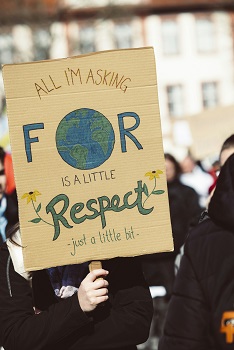




Friendship dynamics are an essential aspect of human life, providing support, companionship, and a sense of belonging. In an increasingly polarized society, it is not uncommon for friends to encounter differing opinions on various topics, ranging from politics to social issues. These differences, while natural and often necessary for healthy discourse, can either fortify or fracture the bonds of friendship. The way individuals manage these contrasting viewpoints plays a pivotal role in determining the health of their relationships.
On one hand, sharing differing opinions can lead to enriching conversations and broader perspectives. When friends engage in open dialogues, they have the opportunity to challenge each other’s viewpoints, fostering personal growth and deeper understanding. Such interactions can strengthen friendships, instilling a sense of respect for each other’s individuality. Furthermore, navigating disagreements can cultivate stronger communication skills and emotional intelligence, vital components for any enduring friendship.
Conversely, when differing opinions are mishandled, they can become the catalyst for conflict and resentment. A failure to respect each other’s right to hold varying beliefs can lead to misunderstandings, hurt feelings, and, ultimately, a breakdown in communication. In extreme cases, such discord can result in the dissolution of friendships. Thus, it is crucial for individuals to understand that while diverse opinions are expected, the manner in which these viewpoints are approached dictates the overall dynamic of the friendship.
This blog post will explore the intricate relationship between opinions and friendships, examining how they influence relationship dynamics. By understanding the impact of differing opinions, individuals can better navigate their personal relationships, ensuring they remain strong and resilient in the face of disagreement.
The Nature of Friendship
Friendship dynamics is a multifaceted relationship that evolves through trust, support, and shared experiences. At its core, friendship involves a mutual understanding and respect between individuals, which forms the bedrock of any meaningful connection. Trust is essential; without it, friendships can become superficial and fraught with misunderstandings. Friends should feel secure enough to share their thoughts and feelings freely, which is a vital component of a deeper bond.
Support is another pillar that upholds the structure of friendship. Friends are often sought for emotional and practical support, providing a refuge in times of need. Whether it’s celebrating successes or navigating hardships, the ability to rely on one another fosters a sense of stability and connection. When individuals feel supported, they are more likely to invest time and emotional energy into their relationships, further deepening their bond.
Shared experiences play a significant role in forging lasting friendships. Engaging in activities together, such as hobbies or significant life events, helps friends create lasting memories. These experiences often serve as touchstones for the relationship, bringing individuals closer together. However, differing opinions on various subjects can occasionally overshadow these experiences, leading to conflict. It is crucial for friends to navigate their differences with understanding and respect, recognizing that a variety of perspectives can enrich the relationship rather than diminish it.
In a healthy friendship dynamics, opinions and disagreements can be seen as opportunities for growth rather than sources of division. Acknowledging differing viewpoints enhances the depth of the connection as it allows individuals to learn from one another. Thus, the interplay between opinions and the fundamental aspects of friendship is complex and requires careful navigation to maintain harmony within the relationship.
Common Sources of Disagreement
Disagreements among friends can arise from various sources, often rooted in deeply held beliefs or differing perspectives. Some of the most common areas where conflicts occur include politics, religion, lifestyle choices, and personal values. These realms of life can evoke strong emotions and, when opinions diverge, can lead to friction in relationships.
Political discussions, for instance, are a frequent battleground for disagreement. With the current political climate fostering divisive views, friends may find themselves on opposite sides of issues such as immigration, taxation, or healthcare reform. A debate on a candidate’s policies may escalate into a heated argument, challenging the very foundation of the friendship. When one individual feels strongly about a political stance and the other opposes it, the situation can lead to resentment or a breakdown in communication.
Religion also serves as a significant source of disagreement among friends. Differences in religious beliefs can lead to misunderstandings or feelings of exclusion. For example, a friend who takes a liberal approach to spirituality may clash with one who adheres to conservative doctrines, leading to uncomfortable discussions or alienation. Such differing views can challenge the respect and care that are essential in a friendship.
Lifestyle choices, including health, work-life balance, and parenting methods, can be an additional source of conflict. A friend who practices a vegan diet may struggle to relate to another who prioritizes convenience over dietary principles. Similarly, those who choose to prioritize career ambitions may create tension with friends who value family time more highly.
Moreover, differing personal values, such as honesty, loyalty, or ambition, can create friction. These core values often underpin how individuals approach various situations in life. When friends face circumstances that test these values, they may interpret actions and decisions through different lenses, potentially leading to arguments.
Impact of Opinions on Friendships
Friendship dynamics are often built on shared interests and values, yet differing opinions can significantly influence the course of these relationships. It is essential to recognize that while some disagreements can create tension, they also have the potential to enhance understanding and strengthen bonds. Open discussions about differing views can lead to healthy debates, allowing friends to explore various perspectives. This process not only fosters mutual respect but can also lead to personal growth and a deeper connection between individuals.
Conversely, when opinions clash, the dynamics of a friendship can become strained. Heated discussions may escalate into conflicts, creating rifts that challenge the foundation of trust and acceptance. If not handled with care, disagreements regarding significant subjects such as politics, religion, or personal beliefs can lead to longer-lasting effects on the relationship. In extreme cases, these conflicts may result in the dissolution of friendships, as individuals prioritize their values over the bond shared with a friend.
However, it is crucial to approach differing opinions with an open mind. This means actively listening and considering the viewpoint of the other person, even when it contradicts one’s own beliefs. When friends can navigate their disagreements with empathy and respect, the relationship stands a greater chance of emerging more robust than before. In this context, opinions can be viewed not as a threat, but as an opportunity for growth and increased understanding, reminding friends of the importance of communication, patience, and compromise.
Healthy Communication Strategies
In an era where opinions can easily clash, nurturing friendship dynamics requires effective communication strategies. Central to this process is the practice of active listening. Active listening involves not just hearing the words spoken by a friend, but comprehending the emotions and intentions behind those words. To engage in active listening, allow the other person to express their thoughts completely before responding. This demonstrates respect for their viewpoint and fosters a more productive dialogue.
Empathy plays a crucial role in discussions where opinions diverge. Attempt to understand and appreciate the other person’s feelings, which can help bridge gaps in understanding. When a friend shares a differing opinion, instead of reacting defensively, try to acknowledge their perspective. Phrasing your responses with empathy can encourage an open exchange. For example, using statements like, “I see where you’re coming from,” can significantly enhance the atmosphere of the conversation.
Openness is an additional key component of healthy communication. Being open to new ideas, even if they challenge your own beliefs, can lead to deeper friendships. It is essential to express disagreement respectfully, without resorting to dismissive language. Aiming to frame your viewpoint clearly and considerately can reduce the likelihood of misunderstandings. For instance, using phrases such as “I respectfully disagree,” sets a tone of mutual respect, indicating that while opinions differ, the friendship remains valued.
Furthermore, it may be beneficial to establish particular ground rules for discussions wherein divergent opinions are likely to arise. Agreeing to avoid personal attacks or overly sensitive topics can help maintain a safe space for dialogue. By combining active listening, empathy, and openness, friends can navigate differences in opinion without jeopardizing their relationship, creating a stronger bond in the process.
Case Studies and Personal Anecdotes
Friendship dynamics can often be tested by differing opinions which can lead to both strengthening and weakening of bonds between individuals. One notable case involves two college friends, Sarah and Lisa, who had contrasting views on political issues. As the political climate became increasingly charged, their discussions shifted from light-hearted debates to heated arguments. Initially, their friendship began to strain under the weight of these disagreements, resulting in reduced communication and eventually a temporary separation. However, after taking time apart and engaging in self-reflection, both friends decided to reconnect. They instituted a new rule to focus on mutual respect when discussing differing views, which not only revitalized their friendship but also enriched their understanding of each other’s perspectives.
On the contrary, another case highlights the negative repercussions of differing opinions on a friendship. Jason and Mark shared a close friendship for years, built on common interests and values. However, when a significant social issue emerged, their opinions diverged sharply. Jason, advocating for change, found himself increasingly at odds with Mark, who preferred a more traditional approach. Their discussions turned sour, leading to bitterness and an eventual fallout. Mark felt that Jason’s stance was disrespectful to their shared history, while Jason believed Mark was resistant to necessary progress. This case illustrates how, in some instances, opposing viewpoints can irreparably damage a friendship, leaving both individuals hurt and estranged.
These examples underscore the complex dynamics of friendship dynamics influenced by differing opinions. In some cases, it leads to greater understanding and connection, while in others, it can result in permanent rifts. This complexity suggests that the way individuals handle their differing views ultimately shapes the quality of their relationships.
When to Compromise or Let Go
Navigating friendships can be particularly challenging when differing opinions surface. Recognizing when to compromise and when it may be necessary to stand firm on one’s beliefs requires discernment and emotional intelligence. Generally, discussions that circle around personal values, ethics, or fundamental beliefs may warrant a firmer stance. These topics often shape an individual’s identity and worldview, making them less negotiable.
However, it is essential to assess the nature and gravity of the disagreement. If the opinion in question does not undermine your core values or the ethical foundation of the friendship, a degree of flexibility may be appropriate. Engaging in open dialogues can foster understanding and respect. Finding common ground, rather than insisting on a complete agreement, can strengthen the bond. In many cases, friendships thrive on the ability to appreciate each other’s perspectives, even when there is no consensus.
On the other hand, if a disagreement escalates into persistent conflict or if one’s opinion is offensive or harmful, it may be time to reevaluate the relationship. Enduring conflict over time can negatively impact emotional well-being, leading to resentment and discord. In such cases, taking a step back and reflecting on the friendship’s value can prove beneficial. It is critical to consider not only how much one personally values the friendship but also whether the relationship is mutually respectful and supportive.
Ultimately, knowing when to compromise or let go is a vital skill in maintaining healthy friendships. Striking the right balance between assertiveness and adaptability can protect personal integrity while fostering meaningful connections. As each situation is unique, continuous reflection on the dynamics at play is essential for cultivating and preserving positive relationships.
The Role of Social Media
In the contemporary digital landscape, social media platforms have become predominant environments where opinions are expressed and shared. Whether on Facebook, Twitter, Instagram, or other networks, individuals frequently communicate their thoughts, beliefs, and preferences, often resulting in a dynamic interplay that can impact personal friendships. The rapid dissemination of information, along with the immediacy of online interactions, has transformed the way opinions are formed and shared among peers, contributing to both connections and conflicts.
Through social media, friends may encounter varying perspectives on significant issues that they may not have discussed in person. This exposure can lead to better understanding or, conversely, to misunderstandings that strain relationships. The nuances of tone and intent are often lost in written communication; sarcasm, for example, may be misinterpreted, leading to discord among friends. As these misunderstandings proliferate, they can escalate quickly, especially when people choose to engage in heated debates or public arguments online, rather than resolving their differences privately.
Moreover, social media allows for the amplifying of opinions, which can create an environment where individuals feel pressured to conform to the prevailing sentiments within their social circles. This effect can sometimes lead to the marginalization of dissenting voices within friendships, contributing to feelings of isolation or resentment. Additionally, the tendency to curate one’s online image can lead to an environment where authenticity is sacrificed for social acceptance, further complicating relationships.
Ultimately, social media serves both as a tool for connection and a potential source of conflict among friends. The challenge lies in navigating these platforms with awareness, practicing empathy, and striving for clear communication to mitigate misunderstandings that could otherwise threaten the foundation of friendship.
Conclusion and Final Thoughts
In examining the profound influence of differing opinions on friendships, it becomes evident that while engaging in healthy debates can enrich relationships, a lack of understanding can lead to discord. Throughout this discussion, we have highlighted the importance of respecting diverse viewpoints. Friendships, like any significant relationship, can thrive on constructive conversations, but they are equally susceptible to strain when opinions clash.
Moreover, we explored the impact of social media on interpersonal connections. Online platforms, while facilitating interaction, often amplify dissent and polarization. It is crucial for individuals to navigate these spaces with caution, fostering environments conducive to open dialogue rather than conflict. Maintaining respect during disagreements is imperative for sustaining friendships, as it reflects a commitment to valuing one another’s perspectives.
Readers are encouraged to consider their own friendships and the ways in which they approach differing opinions. Reflecting on past conflicts may provide insight into how best to communicate and resolve differences moving forward. Practicing empathy and active listening can transform potential rifts into opportunities for growth and understanding.
Ultimately, opinions should not serve as barriers to friendship dynamics. By practicing tolerance and restraint, individuals can reaffirm their relationships, promoting a culture of mutual respect and acceptance. As we navigate our personal landscapes of friendships, let us embrace the differences that make each relationship unique, thereby enriching our collective experiences.