



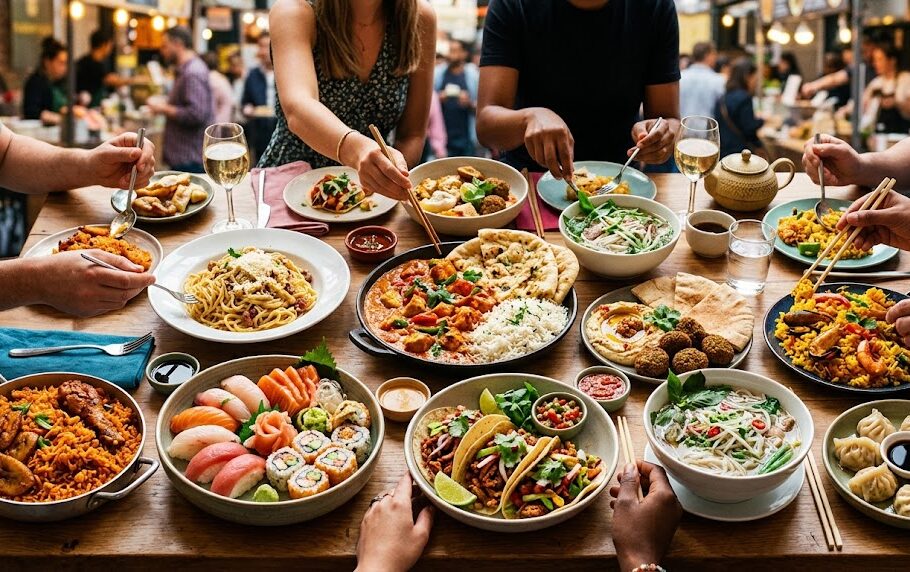
Food diversity is more than just a buzzword. It’s an essential part of our everyday eating habits that plays a pivotal role in our health and well-being. Imagine walking through a vibrant market filled with colorful fruits, vegetables, grains, and proteins from around the world. Each item tells a story of culture, tradition, and nutrition waiting to be discovered. When we talk about food diversity, we’re not only referring to variety on our plates but also the array of nutrients each type of food provides. A diverse diet opens the door to new flavors and textures while ensuring we meet our body’s nutritional needs effectively. Embracing this concept can lead us on an exciting culinary adventure—one where every meal becomes an opportunity for exploration. So why should you care about food diversity? Let’s dive into its benefits and see how it can transform your approach to eating!
The Benefits of a Diverse Diet
A diverse diet offers a wealth of benefits for both body and mind. When you incorporate various foods, you tap into a rich tapestry of flavors and textures that can make meals more enjoyable. Different food groups provide unique nutrients essential for overall health. A wide range ensures you’re getting vitamins, minerals, and antioxidants that support immune function, improve energy levels, and enhance mood. Moreover, diversity in your plate can help prevent chronic diseases like diabetes or heart conditions. It promotes gut health by introducing different fibers that feed beneficial bacteria. Eating varied foods also fosters mindfulness about what we consume. It encourages exploration and curiosity around ingredients from different cultures—making meals an adventure rather than a routine task. Embracing food diversity means embracing life’s complexity while nourishing your body effectively.
The Role of Nutrients in Food Diversity
Nutrients are the building blocks of a healthy diet. They help our bodies function optimally and support overall well-being. A diverse range of foods provides an array of essential nutrients, each playing a unique role. Vitamins and minerals found in fruits, vegetables, grains, and proteins are vital for energy production and immune function. For instance, leafy greens offer iron while citrus fruits deliver vitamin C. This combination enhances nutrient absorption. Moreover, different food groups contain various phytonutrients that boost health beyond basic nutrition. These compounds have antioxidant properties that fight inflammation and reduce chronic disease risk. Incorporating diverse foods ensures you’re not missing out on critical elements needed for growth and repair. It allows you to enjoy flavors from around the world while nourishing your body effectively. Each bite can introduce something new to your palate as well as to your nutritional profile.
How to Incorporate More Diversity into Your Diet
Start by exploring local farmers’ markets. They often feature seasonal produce that you might not find in typical grocery stores. Try something new each visit. Consider joining a community-supported agriculture (CSA) program. This allows you to receive boxes of fresh, diverse fruits and vegetables straight from the farm. Experiment with grains beyond rice and wheat. Quinoa, farro, or millet can add unique textures and flavors to your meals. Don’t shy away from international foods at restaurants or specialty shops. Each cuisine offers a wealth of ingredients worth trying. Plan themed dinners based on different cultures throughout the month. It can be fun to cook dishes from various countries while learning about their culinary traditions. Swap recipes with friends or family members who have diverse backgrounds. This exchange not only broadens your palate but also creates connections through food experiences.
Exploring Different Cuisines and Cultural Foods
Exploring different cuisines opens a world of flavors and traditions. Each culture has its unique dishes that tell stories of history, geography, and lifestyle. For example, Italian cuisine offers rich pasta dishes while Japanese food emphasizes fresh fish and umami tastes. These variations provide not just variety but also a deeper understanding of global nutrition practices. Sampling cultural foods can introduce unfamiliar ingredients like turmeric in Indian curries or quinoa in South American salads. This diversity enriches your palate and enhances culinary creativity at home. Don’t hesitate to visit local ethnic markets or restaurants. They are treasure troves for discovering new spices, vegetables, grains, and cooking techniques that you might have never encountered before. Engaging with different cuisines encourages an adventurous spirit towards eating habits. It transforms meal times into delightful explorations rather than routine chores.
Challenges and Solutions for Achieving Food Diversity
Achieving food diversity comes with its own set of challenges. Many people face limited access to a variety of foods due to geographical or economic factors. This can lead to a reliance on staple foods, which often lack essential nutrients. Another challenge is the prevalence of processed foods in our diets. These options are convenient but typically offer little nutritional value and fewer flavors compared to whole, diverse foods. Solutions exist, though. Community gardens and local farmers’ markets can help provide fresh produce and unique ingredients that promote dietary variety. Educational programs about nutrition can empower individuals to experiment with new recipes and cuisines at home. With a bit of creativity, it’s easier than ever to explore different cultures through food while enhancing your health along the way.
Conclusion:
Food diversity plays a crucial role in our overall health and well-being. Embracing a wide variety of foods not only enhances flavor but also enriches our nutritional intake. By committing to food diversity, we open doors to numerous health benefits and help create sustainable eating habits. Incorporating various cuisines into your diet can be an exciting journey. It encourages exploration and experimentation with new ingredients and flavors that may have previously been overlooked. The challenges many face in achieving food diversity can often be overcome with planning and creativity. As you strive for a more diverse plate, remember the impact it has on your body and mind. Each meal is an opportunity to nourish yourself while celebrating global cultures through their culinary traditions. So go ahead—explore new recipes, visit local ethnic markets, or try cooking meals from different regions around the world; your taste buds will thank you!