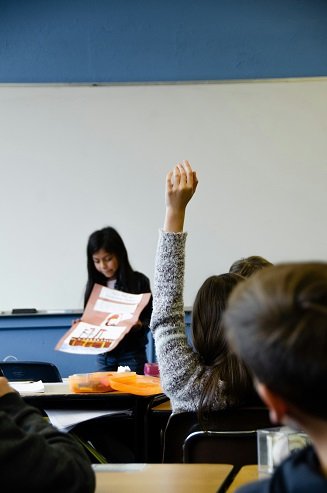



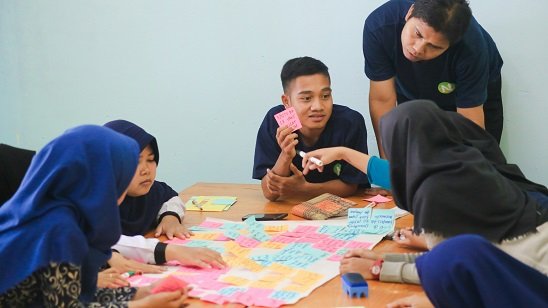
Open discussion is a fundamental component of effective learning in educational settings. It fosters an environment where learners feel free to express their thoughts, ask questions, and engage with diverse perspectives. By encouraging open dialogue, educators can create a culture of mutual respect and collaboration, which is crucial for enhancing the educational experience.
One of the primary objectives of open discussions is to cultivate critical thinking skills among students. When learners participate in discussions, they are not only sharing their viewpoints but also evaluating and reflecting on the ideas presented by others. This dynamic exchange stimulates intellectual curiosity and promotes deeper understanding of the subject matter. As learners articulate their arguments and listen to alternative viewpoints, they develop the ability to analyze information critically and constructively.
Moreover, open discussions contribute to the development of effective communication skills. In a dialogue-rich environment, students practice articulating their thoughts clearly and concisely, which is essential for their future academic and professional endeavors. The practice of engaging in conversations about complex topics trains learners to convey their ideas persuasively while also considering the contributions of others. Hence, open discussions serve as a practical platform for honing such essential skills.
The significance of open discussion extends beyond individual learning; it fosters a sense of community and belonging among students. When learners participate in constructive discussions, they establish connections with their peers, leading to a more collaborative learning atmosphere. This sense of community is necessary as it encourages students to take ownership of their learning journey, making them more invested in their educational outcomes.
In light of these advantages, open discussions should be regarded as a vital pedagogical tool. By integrating open dialogue into educational practices, institutions can create a more inclusive and engaging learning environment that significantly enhances the overall educational experience for all learners.
The Importance of Diverse Perspectives
Open discussion serves as a vital platform for individuals to express and exchange diverse perspectives. This sharing of unique insights not only enhances the educational experience but also fosters a richer understanding of complex issues. In educational settings, the juxtaposition of various viewpoints encourages students to rethink preconceived notions, inspiring deeper engagement with the subject matter.
By participating in open dialogues, learners are exposed to ideas that may challenge their own beliefs, thereby cultivating critical thinking skills. When individuals confront alternative perspectives, they are prompted to evaluate arguments, analyze different opinions, and refine their own reasoning. This process promotes an analytical mindset, enabling students to dissect information critically rather than accepting it at face value. Furthermore, embracing diverse perspectives prepares learners for real-world interactions where differing opinions are commonplace.
Another significant benefit of open discussions is the development of empathy among learners. When individuals share their experiences and viewpoints, it can lead to a greater understanding of the circumstances and challenges faced by others. This empathetic awareness not only fosters a supportive classroom environment but also contributes to the social-emotional growth of students. Through discussions, learners can explore varied cultural, social, and political contexts, which enriches their ability to relate to others and contributes to a more inclusive atmosphere.
In conclusion, the importance of diverse perspectives in open discussions cannot be overstated. By encouraging the sharing of different viewpoints, educational environments actively promote critical thinking and empathy, essential skills that prepare learners for the complexities of the world outside the classroom. Striving for a culture that values diverse opinions ultimately enriches the learning experience for everyone involved.
Encouraging Active Participation
The process of encouraging active participation in an educational setting has become increasingly recognized as a pivotal element of effective learning. Open discussions serve as a robust mechanism to foster this engagement among students. By creating a welcoming environment where students feel comfortable sharing their ideas, educators can significantly enhance participation, leading to a more dynamic and inclusive classroom atmosphere.
One of the key strategies for promoting active participation is establishing ground rules for discussions that uphold respect and open-mindedness. Educators can clarify expectations around listening, responding, and agreeing to disagree, which is essential for cultivating trust among participants. This environment encourages students to contribute freely, knowing their opinions will be valued. Additionally, implementing structured formats for discussion, such as small group interactions or think-pair-share activities, can allow for more voices to be heard. These methods not only stimulate dialogue but also ensure that quieter students or those with less confidence have opportunities to contribute without feeling overwhelmed.
Moreover, integrating technology into discussions can also enhance participation. Utilizing online forums or collaborative platforms enables students to engage with the material and their peers outside of traditional classroom settings. For instance, online discussion boards can facilitate thoughtful exchanges and allow students to revisit their contributions, ultimately solidifying their understanding of the topic being discussed. Educators are encouraged to employ varied instructional strategies, such as posing open-ended questions that invite exploration and debate. This not only promotes critical thinking but also allows for a richer tapestry of perspectives within discussions.
In fostering an atmosphere of active participation through open discussion, educators effectively empower students to take ownership of their learning. Such an approach leads to richer educational experiences and deeper understanding of the subject matter, ultimately preparing students for participation in broader societal discussions.
Building Communication Skills
Active participation in open discussions serves as a critical vehicle for learners to cultivate their communication skills. Effective communication is not merely about speaking; rather, it encompasses a holistic set of abilities that includes clear articulation of thoughts, active listening, and responsive engagement. Each of these components plays a vital role in fostering an environment where ideas can be exchanged freely and constructively.
To begin with, articulating thoughts clearly is an essential skill that can be honed through open dialogues. When learners are required to express their opinions or responses in front of peers, they must think deeply about their viewpoints and find the most effective ways to convey their messages. This process encourages individuals to structure their ideas logically and communicate them succinctly, thus improving their verbal and written expression capabilities.
Moreover, active listening is another key element that is often reinforced in discussions. In an open dialogue, participants must focus intently on what others are saying in order to respond appropriately. This practice not only helps learners develop patience but also enhances their ability to interpret and analyze information effectively. Consequently, the habit of listening actively contributes to a greater understanding of diverse perspectives, fostering respect and empathy among participants.
Furthermore, responding thoughtfully is paramount in any communication setting. Through discussion, learners are encouraged to process the viewpoints shared by others before formulating their responses. This practice cultivates critical thinking skills, as individuals learn to evaluate the strengths and weaknesses of arguments presented by their peers. Ultimately, fostering an environment that values open dialogue is instrumental in empowering learners to improve their communication abilities, which are essential both academically and professionally.
Enhancing Critical Thinking Ability
Open discussions play a vital role in nurturing students’ critical thinking abilities. Engaging in dialogue not only facilitates the sharing of diverse perspectives but also compels participants to critically examine their own viewpoints. In a structured environment where discussion is encouraged, students are more likely to question assumptions, analyze evidence, and develop well-informed arguments. This reflective process is essential in honing critical thinking skills, as it promotes a deeper understanding of complex topics.
When students participate in open discussions, they are exposed to a variety of opinions and ideas that challenge their preconceived notions. This interaction serves as a catalyst for intellectual curiosity, prompting individuals to explore alternative viewpoints and consider the implications of different arguments. By engaging with peers, students learn to articulate their thoughts more clearly while also enhancing their ability to listen effectively. This two-way exchange fosters an environment conducive to collaborative learning, where each participant’s contribution is valued and scrutinized.
Furthermore, open discussions encourage students to analyze materials in a multifaceted manner. Rather than passively absorbing information, learners actively engage in exploring concepts, making connections between ideas, and constructing their own interpretations. As they defend their viewpoints and critique others, students develop the capacity to identify logical fallacies, assess evidence rigorously, and synthesize information from diverse sources. Such skills are not only indispensable in academic contexts but are equally crucial in real-world scenarios where informed decision-making is paramount.
In summary, the cultivation of critical thinking abilities through open discussions not only enriches students’ academic experiences but also prepares them for the complexities of citizenship and professional environments. By challenging assumptions and encouraging multifaceted analyses, such discussions lay the groundwork for deeper, more meaningful learning experiences.
Promoting Collaboration and Teamwork
Open discussions play a pivotal role in fostering collaboration and teamwork among learners. When individuals engage in dialogue, they bring diverse perspectives and experiences to the table, which can enrich the learning atmosphere. This exchange of ideas encourages learners to work together towards a common goal, fostering a sense of community and shared responsibility.
Through open discussions, team members learn to appreciate each other’s viewpoints, which promotes empathy and understanding. As they navigate through discussions, they also develop crucial interpersonal skills such as active listening and constructive feedback. These skills are essential not only in educational settings but also in professional environments where collaboration is key.
Moreover, collaborative activities often necessitate the division of tasks, prompting learners to share responsibilities. This shared approach encourages individuals to rely on one another, thereby cultivating trust and enhancing accountability within the group. As students see the value of each team member’s contributions, they become more invested in the outcome of their collective effort, leading to increased motivation and higher-quality results.
It is also worth noting that working together in discussions allows learners to overcome challenges collectively. When faced with difficult concepts or problems, a collaborative mindset enables groups to brainstorm solutions and identify strategies, thus facilitating deeper understanding. This process not only builds resilience but also hones critical thinking skills, as participants must evaluate information and synthesize ideas effectively.
In essence, the collaborative nature of open discussions not only enhances the learning experience but also prepares learners for future opportunities where teamwork and cooperation are paramount. By encouraging collaboration and connection, open discussions lay the groundwork for successful interpersonal interactions in various contexts.
Fostering a Growth Mindset
Open discussions play a significant role in fostering a growth mindset among learners, an essential aspect of the educational landscape. When students engage in dialogues with peers and educators, they cultivate an environment that encourages the exploration of thoughts and ideas. This collaborative atmosphere is conducive to nurturing resilience and adaptability, as learners understand that abilities can be developed through dedication and hard work.
Constructive feedback during these discussions serves as a catalyst for growth. Feedback that is specific and actionable guides students on how to enhance their learning processes. For instance, when peers provide insights or suggest alternative approaches, learners learn to perceive these comments as valuable contributions rather than criticisms. This shift in perspective reinforces the belief that challenges are opportunities for development, an integral component of a growth mindset.
Reflective practices, often inherent in open discussions, also facilitate the establishment of a growth-oriented approach. When students reflect on their contributions and the responses received, they are more likely to identify areas for improvement and acknowledge their progress. Such reflections are critical as they promote self-awareness and a deeper understanding of personal learning trajectories. Moreover, openly discussing setbacks and mistakes allows learners to normalize these experiences, reducing fear of failure and encouraging risk-taking in their academic pursuits.
In essence, fostering a growth mindset through open discussions not only enhances students’ confidence but also instills a lifelong love for learning. By embracing constructive feedback and reflective practices, learners can develop resilience, adaptability, and a proactive attitude towards their educational journeys. This holistic approach ensures that students emerge not just as passive recipients of knowledge, but as active participants in their learning processes, ready to face challenges with a positive mindset.
Overcoming Barriers to Open Discussion
Open discussions are integral to enhancing learning environments, yet several barriers can hinder their effectiveness. One significant barrier is the fear of judgment among participants. This apprehension often stems from concerns about how peers or educators will perceive their contributions. Such fear can stifle valuable input and discourage open dialogue. To combat this, educators must foster an environment where all opinions are respected and valued. This can be achieved through establishing clear guidelines for respectful interaction, which reassure participants that diverse viewpoints are welcomed.
Another common barrier is a lack of confidence, particularly among students who may feel their knowledge is insufficient. This sentiment can prevent students from engaging fully in discussions. To mitigate this issue, educators can implement collaborative learning techniques. Group discussions or paired brainstorming can encourage quieter students to participate by sharing ideas in smaller, less intimidating settings. Gradually building their confidence can lead to more active participation in larger group discussions.
Additionally, cultural factors may inhibit open discussion. In some cultures, speaking openly may not be the norm, leading to reticence in educational settings. To address this challenge, educators could incorporate culturally responsive teaching strategies that honor diverse communication styles and encourage participation in ways that feel comfortable for all students. By integrating various perspectives into discussions, educators can create a more inclusive atmosphere that values every participant’s voice.
Finally, inconsistent structures of discussion can serve as a barrier. Without a clear framework, discussions can become unfocused, leading to frustration among participants. Establishing a structured format for discussions, including clearly defined topics and time limits, can enhance engagement and maintain interest. By recognizing and addressing these barriers, educators can significantly enhance the effectiveness of open discussions, facilitating a richer learning experience for all students.
Conclusion and Future Implications
Open discussion has emerged as a vital component in enhancing learning environments. It fosters an atmosphere where ideas can be shared freely, allowing students to engage deeply with the material and with one another. Through open dialogue, learners not only develop critical thinking and communication skills but also cultivate empathy and respect for diverse perspectives. These benefits contribute to a more dynamic and collaborative educational setting, ultimately leading to improved academic outcomes.
Moreover, the incorporation of open discussion into various educational practices presents numerous future implications for teaching and learning. As educational institutions increasingly recognize the value of student engagement, there is a potential shift towards more interactive pedagogies that prioritize discussion-based learning. Such approaches encourage students to take ownership of their learning, promoting autonomy and intrinsic motivation.
Furthermore, with the rise of technology in education, open discussions can transcend the traditional classroom boundaries. Virtual platforms can facilitate real-time discussions among participants from different geographical locations, enriching the learning experience. This global perspective can enhance cultural exchange and increase students’ awareness of a broader context.
Nevertheless, it is essential for educators to receive adequate training in implementing effective discussion strategies. Professional development programs that emphasize the facilitation of open discussion can equip teachers with the necessary tools to create an inclusive and engaging environment. By doing so, they can improve student participation and elevate the overall educational experience.
In conclusion, the power of open discussion in enhancing learning cannot be understated. As we continue to explore and expand this practice, the educational landscape may evolve to include richer, more collaborative experiences that prepare students for the complexities of the modern world. Exploring and investing in open discussion will create more engaged learners, ultimately contributing to a more educated society.