



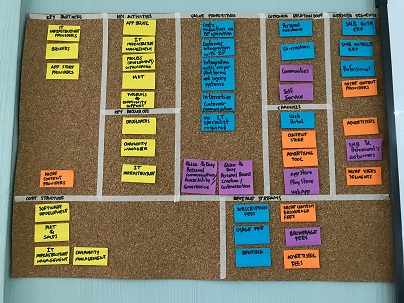
A product launch success marks a pivotal moment in the life cycle of a new offering, representing the transition from development to the commercial marketplace. It is not merely an event but a comprehensive process that requires meticulous planning, execution, and follow-up to ensure the successful introduction of a product to its target audience. The importance of a product launch cannot be overstated, as it sets the tone for a new product’s reception and ultimately influences its market performance. Successful product launching encompasses several key components, each of which plays a critical role in determining how well a new product will be embraced by consumers. First and foremost, a strategic plan is essential. This plan outlines the objectives, identifies target audiences, and employs marketing tactics that align with the product’s unique value proposition. By clearly defining the target market and understanding consumer needs, companies can create messaging that resonates effectively.
Execution is another vital aspect of launching a product. This phase involves coordinating various marketing channels—including digital marketing, public relations, and traditional advertising—to ensure a unified and impactful message is communicated to potential customers. The timing of the launch is also crucial; entering the market as a top contender requires keen awareness of industry trends and consumer behavior. Companies must also be prepared to address questions and feedback from the marketplace.
Finally, follow-up is often overlooked but critical for long-term success. After launch, businesses need to assess performance, gather customer feedback, and adapt their strategies accordingly. This continuous improvement loop helps in refining the product and addressing any issues that may arise post-launch, ultimately cementing customer loyalty and driving future growth.
Identifying Your Target Audience
Understanding your target audience is a pivotal step in the process of launching a successful product. Knowing who your potential customers are allows you to tailor your products and marketing strategies effectively. Before initiating any marketing efforts, it’s essential to conduct thorough market research to grasp the demographics, behaviors, and preferences of your target market.
One effective way to identify your target audience is through the creation of buyer personas. A buyer persona is a semi-fictional representation of your ideal customer, based on data and insights. When developing these personas, consider various factors such as age, gender, income, interests, and purchasing behavior. This information can be gathered through surveys, interviews, or by analyzing existing customer data. Tools such as Google Analytics and social media insights can also provide valuable data on audience demographics and engagement patterns.
Market research can also include focus groups and test marketing, which allow you to obtain direct feedback on your product concepts. Engaging with potential customers in a controlled setting can shed light on their perceptions and expectations. Additionally, you can analyze your competitors to see who their target audience is and identify any gaps in the market that your product could fill.
Gathering insights from these research methods will inform not only the design and features of your product but also how you communicate with your audience. It is vital to address the specific needs and pain points of your target audience to ensure a high likelihood of acceptance and success upon launch. In summary, properly identifying and understanding your target audience will form the foundation of your product strategy, ultimately driving better outcomes and fostering customer loyalty.
Setting Goals and Objectives
The establishment of clear and measurable goals is a fundamental aspect of any product launch. This process not only provides direction but also enables the team to gauge the effectiveness of their strategies throughout the launch phase. By defining specific objectives, businesses can align their resources and efforts toward achieving desired outcomes, ultimately elevating the chances for a successful product launch.
One effective method for goal setting is the SMART framework, which emphasizes that goals should be Specific, Measurable, Achievable, Relevant, and Time-bound. Each element serves to clarify and structure goals in a manner that promotes focus and accountability. For instance, a specific goal might detail the target market segment the product intends to reach, while measurable criteria could include the expected sales figures or user engagement rates. Achievability ensures that the objectives set are realistic given the available resources, whereas relevance aligns the goals with the overall business strategy.
Moreover, incorporating time-bound aspects into these objectives creates a sense of urgency, ensuring that milestones are met within predetermined timeframes. This timing element not only motivates teams but also provides critical checkpoints to evaluate progress. Utilizing the SMART criteria in goal setting transforms vague aspirations into concrete benchmarks that guide the product launch.
Additionally, it is important to periodically review and adjust these goals as necessary. The dynamic nature of product launches and market conditions may require adaptations to initial objectives to remain competitive. Therefore, by consistently monitoring performance against established goals, teams can identify areas for improvement and optimize their strategies, ultimately enhancing the likelihood of a successful launch.
Creating a Unique Value Proposition
In the highly competitive marketplace, a Unique Value Proposition (UVP) is essential for distinguishing your product from others available to consumers. The UVP represents the unique benefits that your product offers, which should resonate deeply with your target audience. To begin crafting an effective UVP, it’s crucial first to understand your potential customers thoroughly. Conducting market research to gather insights on your audience’s preferences, needs, and pain points will provide a solid foundation for developing a compelling proposition.
Next, examine your competitors to identify what they are offering and how your product differs. Consider factors such as quality, pricing, features, customer service, and brand values. This analysis will not only highlight the gaps in the market but also emphasize the aspects of your product that uniquely meet consumer needs. Utilize these insights to articulate the specific benefits that make your product stand out.
When crafting your UVP, aim to keep it clear and concise. A well-structured UVP communicates the essence of your product and its benefits in just a few sentences. Utilize simple language that avoids jargon, ensuring your audience can easily understand and appreciate the advantages your product offers. Implementing a straightforward format, such as a statement that outlines the primary problem your product solves and the distinctive benefits it provides, can increase its effectiveness.
Lastly, consider testing your UVP with a sample of your target audience. Gathering feedback on whether your proposition resonates can provide valuable insights. Be willing to refine your UVP based on this input to ensure it accurately reflects the preferences of your audience. A strong, well-defined UVP is not only a fundamental component of successful product launches but can also serve as a guiding principle in your marketing efforts, aligning all promotional materials with your core offering.
Developing a Marketing Plan
Creating a robust marketing plan is a critical component of launching a successful product. This plan serves as the roadmap guiding all promotional efforts, ensuring effective reach and engagement with the target audience. The development of a marketing strategy begins with thorough market research, which involves identifying the target demographic, understanding their preferences, and analyzing competitors. This information will shape the messaging and promotional tactics used during the launch.
To generate pre-launch buzz, companies should focus on building anticipation among potential customers. This can be achieved through teaser campaigns that gradually reveal aspects of the product, engaging social media posts, and influencer partnerships. Utilizing email marketing to inform subscribers about the upcoming launch can also create excitement and encourage customer involvement even before the product hits the shelves.
Promotional tactics are integral to the overall marketing strategy. Options include limited-time offers, exclusive early access for loyal customers, and social media contests that can amplify engagement rates. Additionally, leveraging content marketing by producing educational or entertaining materials such as blog posts or videos about the product can help in building brand authority and enhancing visibility.
Utilizing multiple marketing channels is essential for ensuring that the product reaches the intended audience effectively. A combination of online and offline methods, such as social media advertising, search engine marketing, email outreach, and traditional media, can broaden the reach of the marketing efforts. Incorporating paid advertisements on platforms preferred by the target audience, while maintaining a consistent brand message across channels, will also aid in optimizing the launch efforts.
In conclusion, a comprehensive marketing plan integrating research, pre-launch activities, promotional strategies, and diverse marketing channels is essential for a successful product launch. By strategically managing these elements, businesses can establish a strong foundation for introducing their product to the market.
Building a Launch Timeline
Creating a detailed launch timeline is essential for ensuring a successful product launch. This timeline serves as a roadmap, guiding teams through the various stages of development, preparation, and distribution. A well-structured timeline not only helps in organizing tasks but also clarifies key milestones, ensuring that all team members understand their roles and responsibilities leading up to the launch date.
The first step in building your launch timeline involves identifying major milestones critical to the launch process. These may include product development phases, beta testing periods, marketing campaigns, and the launch event itself. Each milestone should have specific dates associated with them—this allows for accountability and a clear vision of what should be accomplished by when.
In addition to milestones, it is vital to outline the tasks necessary to reach these objectives. For instance, if you plan to commence a marketing campaign a month before the launch, key tasks might include creating promotional materials, scheduling social media posts, and preparing press releases. Assigning these tasks to appropriate team members with clear deadlines will foster a sense of urgency and ensure a smooth workflow.
It is also beneficial to incorporate buffer times into your timeline. Unforeseen challenges may arise, and these buffers provide flexibility, allowing for adjustments without derailing the launch plan. Regularly revisiting and updating the timeline is important, as it helps teams stay aligned and maintain momentum.
Ultimately, a well-constructed launch timeline is a cornerstone of any successful product rollout. By adhering to a structured plan, teams can streamline their efforts, ensuring that all critical components are ready for the product launch. This organized approach not only mitigates the risk of delays but also enhances the overall effectiveness of the launch strategy.
Gathering Feedback and Making Adjustments
After launching a product, the journey does not end; continuous improvement is vital for sustaining success. Gathering feedback is an essential step in understanding customer perceptions and experiences regarding your product. This feedback can be collected through various methods, including surveys, online reviews, social media interactions, and direct communication with customers. Utilizing these avenues not only illuminates customer satisfaction but also uncovers areas that require enhancement.
Online surveys are a straightforward method of gathering quantitative and qualitative feedback. These can be designed to address specific aspects of the product, such as features, usability, and overall satisfaction. Maintaining a concise format increases response rates, allowing for the collection of actionable data. Additionally, conducting interviews or focus groups can provide deeper insights into customer preferences and concerns. Social media platforms also serve as a valuable resource for listening to consumer opinions, as customers often share their experiences openly.
Once feedback is collected, the next crucial step is data analysis. This involves categorizing responses and identifying common trends or issues. Employing analytical tools can assist in visualizing data patterns, making it easier to draw conclusions. Understanding these patterns helps prioritize adjustments to the product and its marketing strategy. It’s imperative to respond to both positive and negative feedback; expressing gratitude for positive comments while addressing complaints can strengthen customer relationships.
Implementing changes based on gathered insights should be done thoughtfully and strategically. This might involve refining product features, enhancing customer service, or adjusting marketing tactics. Continuous monitoring after adjustments is essential, ensuring that the changes make a meaningful impact. In conclusion, the iterative process of gathering feedback and making adjustments is fundamental to the product’s long-term success and customer satisfaction.
Post-Launch Strategies for Success
Launching a product is only the beginning of the journey. Following the initial launch, implementing robust post-launch strategies is essential for maintaining momentum and ensuring sustained success. One of the primary focuses in the post-launch phase should be continued marketing efforts. These efforts can include email campaigns, social media promotions, and targeted advertisements aimed at both existing customers and potential buyers. By keeping the product in consumers’ minds, businesses can encourage repeat purchases and stimulate word-of-mouth referrals.
Customer engagement plays a critical role in retaining interest and fostering loyalty. Engaging with customers through surveys, feedback forms, and social media interactions not only helps in building a relationship but also provides invaluable insights into customer preferences and potential areas for improvement. Establishing a community around the product, such as user groups or forums, can further enhance customer involvement and create brand advocates.
Utilizing initial sales data is another crucial aspect of post-launch strategy. Analyzing purchasing patterns and customer demographics allows businesses to refine their marketing campaigns and product offerings. For instance, identifying which features of the product are most popular can inform future enhancements or additional products. Furthermore, leveraging this data to adjust pricing strategies can maximize revenue opportunities and ensure competitiveness in the market.
Moreover, nurturing relationships with influencers and industry experts can amplify reach and credibility. Collaborating with these figures on reviews or content can help leverage their follower base, thus expanding visibility. Ultimately, sustained success post-launch depends on a strategic combination of continued marketing, active customer engagement, and data-driven decision-making all aimed at refining and enhancing the overall product experience.
Conclusion: Key Takeaways for a Successful Product Launch
Launching a successful product requires meticulous planning, a deep understanding of the target audience, and the agility to adapt based on market feedback. Throughout this guide, we have emphasized several critical steps that contribute to a well-executed product launch.
Firstly, thorough market research is essential. It lays the groundwork by identifying customer needs and preferences, thus informing the product’s features and messaging. By engaging with potential users and analyzing competitors, businesses can position their product more effectively in the marketplace.
Secondly, developing a well-defined marketing strategy cannot be overlooked. This strategy should encompass various channels, ensuring that communication is clear and coherent across all platforms. Utilizing social media, email marketing, and content creation helps to engage potential customers and create buzz around the launch. Early promotion can generate interest and drive traffic, leading to a more successful launch.
Additionally, being receptive to feedback post-launch is invaluable. The initial response from users can provide insights into areas for improvement and new opportunities. Flexibility in adapting the product or marketing strategy based on this feedback can facilitate long-term success and customer satisfaction.
Lastly, it is crucial for businesses to have clear objectives and metrics in place to evaluate the launch’s effectiveness. Monitoring performance indicators helps companies assess whether they are meeting their goals and can guide requisite adjustments throughout the product lifecycle.
By adhering to these guidelines and fostering a culture that values customer input, businesses are better equipped to navigate the complexities of launching a product. As entrepreneurs embark on their product launch journeys, keeping these key takeaways at the forefront will greatly enhance their chances of success.