



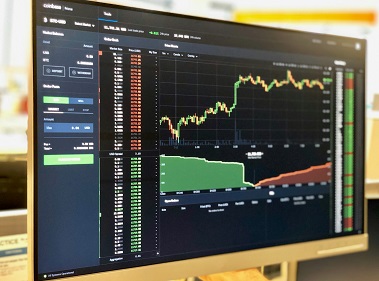
The concept of timing in the cryptocurrency market timing revolves around the strategic decision-making processes employed by both amateur and professional investors. Timing refers to the ability to predict the optimal moments to enter or exit a particular cryptocurrency investment in order to maximize profits or minimize losses. This aspect of trading is particularly crucial in the highly volatile cryptocurrency market, where price fluctuations can happen at any moment, creating opportunities or threats. One of the primary reasons investors focus on timing is the nature of price movements in cryptocurrencies. Due to factors such as market sentiment, news events, and regulatory developments, prices can change rapidly, leading to potential profit or loss. As a result, many investors invest considerable time into analyzing market trends and attempting to develop effective timing strategies aimed at predicting these price changes.
The appeal of timing strategies is widespread among traders of all skill levels. Amateur investors may be drawn to the idea that they can achieve remarkable financial rewards by making the right trades at the right time. Meanwhile, seasoned professionals often incorporate timing into their comprehensive trading strategies, utilizing technical analysis, price charts, and market indicators to identify potentially profitable trading windows.
However, timing the market is fraught with challenges. The unpredictability of market movements can lead to misjudgments, and even experienced traders can struggle to execute successful timing strategies consistently. Therefore, while the desire to optimize entry and exit points is common, it is essential for investors to adopt a balanced approach that considers the inherent risks alongside the potential rewards in the cryptocurrency marketplace.
Understanding Market Volatility
The world of cryptocurrency is characterized by significant and often unpredictable market volatility. Unlike traditional assets, cryptocurrencies can experience drastic price fluctuations within short timeframes. Various factors contribute to this volatility, making the timing of market entry or exit a complex challenge for participants.
One of the primary drivers of price changes in the crypto market is market sentiment. Emotions play a pivotal role in trading decisions, causing irrational behaviors among buyers and sellers. Positive news, such as endorsements by prominent figures or developments in technology, can lead to rapid price increases. Conversely, negative news concerning regulatory scrutiny or security breaches can result in steep declines. This emotional aspect contributes to the unpredictable nature of cryptocurrency pricing.
Regulatory news also significantly impacts market dynamics. Governments worldwide are still figuring out their approach to cryptocurrencies, which can lead to sudden shifts in market confidence. For instance, announcements regarding stricter regulations in a major economy can lead to widespread panic selling, while supportive regulatory frameworks can boost investor confidence and spurn bullish trends.
Furthermore, technological developments play a crucial role in influencing the crypto market’s volatility. Innovations such as scaling solutions, upgrades in existing protocols, or even the emergence of new cryptocurrencies can attract speculative investments. These advancements often lead to immediate fluctuations, as traders react to the potential impacts on the market landscape.
Overall, the inherent volatility of the cryptocurrency market presents both opportunities and risks. Understanding the factors that contribute to these price variations is essential for anyone looking to engage in trading or investment strategies. As we delve deeper into timing strategies, recognizing the unpredictable nature of the market will be crucial in making informed decisions.
Common Timing Strategies Used by Traders
Timing the cryptocurrency market is a critical factor for traders who aim to optimize profits and minimize losses. Various strategies are employed, each with unique principles, benefits, and pitfalls. Understanding these strategies is essential for anyone seeking to navigate the volatile realm of cryptocurrencies.
One prevalent approach is day trading, where traders buy and sell digital assets within a single day to capitalize on small price fluctuations. This strategy requires a good understanding of market trends and technical analysis, allowing traders to make informed decisions quickly. The primary advantage of day trading is the potential for prompt gains, but it also comes with significant risks, including the need for constant market monitoring and susceptibility to emotional decision-making.
Swing trading is another popular strategy, involving holding assets for several days to weeks to profit from expected market movements. This method allows traders to benefit from medium-term price swings without the incessant pressure of daily trading. Swing trading is less time-intensive than day trading, providing traders with the flexibility to balance their investments with other commitments. However, it requires a strong grasp of technical indicators and market psychology.
Long-term investing represents a more traditional approach, focusing on buying and holding cryptocurrencies for extended periods, typically months or even years. This strategy often appeals to those who are willing to weather market fluctuations and have confidence in the long-term potential of their investments. While this method can offer substantial rewards if one accurately predicts future growth, it may also lead to significant losses if the market declines significantly.
Each of these timing strategies—day trading, swing trading, and long-term investing—comes with its own set of advantages and disadvantages. Traders must carefully evaluate their risk tolerance, investment goals, and time commitment to select the most suitable strategy for their individual circumstances.
Technical Analysis: Tools and Indicators
Technical analysis serves as a crucial methodology for individuals looking to time their entries and exits in the cryptocurrency market. It employs historical price action and volume data to forecast future price movements. One of the primary tools within technical analysis is moving averages, which helps traders identify trends over specified periods. By calculating the average closing prices of a cryptocurrency over time, moving averages can smooth out price fluctuations and highlight the overall direction of the market. This insight enables traders to make more educated decisions about their positions.
Another important indicator is the Relative Strength Index (RSI). The RSI is a momentum oscillator that evaluates the speed and change of price movements, typically on a scale from 0 to 100. It provides traders with valuable information regarding overbought or oversold conditions. A high RSI value, often above 70, may indicate that a cryptocurrency is overbought, whereas a low RSI value, generally below 30, may signal that it is oversold. By monitoring the RSI, traders can time their market entries and exits more effectively, potentially capturing profits during favorable conditions.
Fibonacci retracement levels are also integral to technical analysis. They are horizontal lines that indicate potential support and resistance levels, drawn from key Fibonacci numbers. Traders utilize these levels to predict possible price retracements following significant market movements. By identifying these retracement points, traders can optimize their timing, entering the market when prices may bounce off support or resistance levels. Combining the insights provided by moving averages, RSI, and Fibonacci retracement allows traders to formulate a comprehensive strategy for timing their investments in the cryptocurrency market more accurately.
The Role of Market Sentiment
Market sentiment plays a crucial role in timing the crypto market, as it reflects the overall attitude of investors and traders toward a particular cryptocurrency or the market as a whole. This sentiment can be gauged through various channels, including social media posts, news articles, and discussions within online communities. Given the highly volatile nature of cryptocurrencies, understanding market sentiment can often provide valuable insights into potential price movements.
Social media platforms serve as significant indicators of market sentiment. Traders frequently turn to platforms like Twitter, Reddit, and Telegram to assess shifts in public perception. For instance, a sudden spike in positive tweets about a cryptocurrency may signal an upcoming buying spree, while negative sentiment can lead to panic selling. Monitoring hashtags and trending topics can help traders gauge the prevailing mood surrounding specific digital assets and adjust their strategies accordingly.
Similarly, news stories can shape market attitudes dramatically. Announcements related to regulatory changes, technological advancements, or partnerships can shift investor confidence, thereby impacting cryptocurrency prices. Many traders keep a close eye on news headlines, recognizing that timely insights can enhance their ability to capitalize on favorable market conditions.
Community discussions in forums such as Bitcointalk or Telegram groups also play a vital role in shaping sentiment. Engaging in these conversations can provide traders with diverse perspectives and insights into market trends. By analyzing the prevailing themes within these discussions, one can better understand the collective mindset of market participants.
In summary, recognizing the influence of market sentiment is essential for effective timing in the crypto market. By actively monitoring social media, news, and community discussions, traders can make more informed decisions, potentially improving their market outcomes.
Psychological Factors in Trading Decisions
In the volatile world of cryptocurrency trading, timing the market effectively is often influenced by psychological factors. Traders frequently grapple with emotions such as fear and greed, which can lead to impulsive decisions that disregard analytical reasoning. Fear of missing out (FOMO) can push individuals to buy during market peaks, while fear of loss often results in panic selling during downturns. These emotional responses significantly impact their timing and ultimately the success of their trades.
Additionally, the concept of herd mentality plays a critical role in trading behavior. Many investors tend to follow the crowd, assuming that collective action is indicative of the correct decision. When a trend becomes apparent, individuals often rush to either invest or divest, allowing emotions to dictate their trading choices rather than solid analytical principles. This herd behavior can exacerbate market volatility and cause dramatic shifts in timing that may not align with fundamental values.
To mitigate the effects of these psychological factors, traders must develop a strong sense of emotional intelligence. Recognizing and understanding one’s emotional triggers can lead to a more disciplined trading approach. By employing strategies such as setting predetermined entry and exit points, traders can counteract the impulse to make decisions based on fleeting emotions. Additionally, cultivating patience allows traders to wait for optimal conditions rather than succumbing to the urgency created by fear or greed.
In summary, psychological factors heavily impact how traders approach market timing in cryptocurrency. By acknowledging these influences and implementing strategies to manage emotions, traders can improve their decision-making processes and enhance their potential for success in the complex cryptocurrency landscape.
Common Pitfalls of Timing the Crypto Market
Timing the cryptocurrency market is a challenging endeavor that many traders attempt, often with mixed results. One of the most prevalent pitfalls is the tendency to chase trends. When a particular cryptocurrency experiences a sudden surge in price, traders may impulsively invest, motivated by the fear of missing out (FOMO). This behavior frequently leads to unfavorable outcomes, as the market can experience rapid fluctuations, and what seems like a profitable trend can quickly reverse, resulting in losses.
Another common mistake is placing undue reliance on predictions. Many traders depend on market analysts or influencers for guidance, believing that they can accurately forecast future price movements. However, it is essential to recognize that crypto markets are influenced by numerous unpredictable factors, including regulatory changes, technological advancements, and broader economic conditions. Solely relying on external opinions without conducting thorough independent research can lead to misguided investment decisions.
Additionally, ignoring market fundamentals presents significant risks. Some traders focus primarily on price trends and technical analysis while neglecting the underlying principles of the cryptocurrency they are investing in. A strong understanding of a cryptocurrency’s technology, its team, and its market positioning provides critical insight into potential long-term value. By overlooking these fundamentals, traders may inadvertently engage in speculative behavior that exposes them to unnecessary risks.
In summary, the art of timing the crypto market is fraught with challenges, and avoiding common pitfalls is essential for long-term success. Traders must practice disciplined decision-making, informed by a blend of trend analysis, reliable research, and an understanding of market fundamentals, to navigate the volatile world of cryptocurrency investments effectively.
Real-Life Examples of Successful and Failed Timing
Market timing in cryptocurrency can often be likened to walking a tightrope; while some individuals and institutions successfully navigate it, others experience disastrous falls. One noteworthy example of successful timing was the early investment made by a group of venture capitalists in Bitcoin during 2012. Recognizing its potential as a revolutionary technology, they bought significant quantities at around $10 per coin. As Bitcoin surged to nearly $20,000 in late 2017, these investors enjoyed massive returns on their initial investments. Their timely decision illustrates how an informed perspective can yield substantial benefits in the volatile crypto market.
Conversely, there are also numerous cautionary tales regarding failed attempts at timing the market. Consider the case of those who attempted to invest in Bitcoin after its meteoric rise at the end of 2017. As many enthusiasts rushed to invest when Bitcoin was priced at nearly $19,000, they witnessed a rapid correction, with prices plummeting to about $3,000 by December 2018. This scenario serves as a stark reminder that market timing often hinges on various unpredictable variables, including market sentiment and regulatory news.
Another example involves the infamous case of Bitconnect, a lending platform that promised unreasonably high returns. Many investors were swayed by the hype and entered the market late, only to deal with the fallout when the platform collapsed in early 2018. This situation emphasizes the risks associated with chasing trends rather than following fundamental analysis when timing investments.
These real-life scenarios highlight the unpredictability inherent in timing the crypto market. Whether driven by informed analysis or emotional impulses, the results can differ markedly. Future investors should reflect on these cases when formulating their investment strategies, bearing in mind that successful timing requires not just market knowledge, but also a clear understanding of the risks involved.
Conclusion: Embracing a Holistic Approach to Crypto Investing
As we examine the complexities of timing the crypto market, it becomes increasingly evident that relying solely on the fluctuations of short-term price movements can lead to misguided investment decisions. The unpredictable nature of cryptocurrencies necessitates a more nuanced and balanced strategy that encompasses various aspects of investment. Central to a sound investment philosophy is the importance of conducting thorough fundamental analysis. This process involves evaluating the core attributes of various cryptocurrencies, such as their underlying technology, use cases, and market potential. By understanding the fundamentals, investors can make informed decisions based on the true value of a cryptocurrency rather than speculative trends.
Diversification also plays a pivotal role in a robust crypto investment strategy. By spreading investments across a range of different cryptocurrencies, investors can mitigate risks associated with individual assets. This diversification can include investing in established cryptocurrencies, such as Bitcoin and Ethereum, while also allocating a portion of the portfolio to emerging projects with promising prospects. This balanced approach will not only help to manage market volatility but will also enhance overall portfolio performance over time.
Finally, embracing the principles of long-term investment can further solidify one’s stance in the crypto market. The crypto landscape is fraught with rapid shifts and temporary downturns, which can be disheartening for many investors. However, those who remain committed to a long-term vision often find themselves better equipped to weather the storms that occur along the way. In conclusion, adopting a holistic approach to crypto investing—incorporating fundamental analysis, diversification, and long-term strategy—can significantly enhance the likelihood of achieving sustainable success in this dynamic and evolving market.