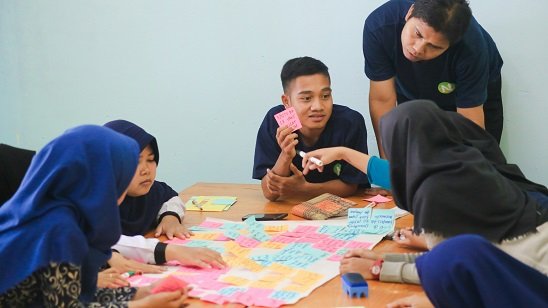




Opinion-based education is an innovative approach to learning that prioritizes individual perspectives and critical thinking over traditional methods that often emphasize rote memorization and standardized testing. This educational model encourages students to express their thoughts, analyze various viewpoints, and engage in discussions that foster a deeper understanding of the subject matter. By valuing personal insights and interpretations, opinion-based education cultivates a dynamic learning environment where students feel empowered to participate actively in their own education.
One of the core principles of opinion-based education is the promotion of civil discourse, where students can respectfully share their opinions and challenge each other’s viewpoints. This method not only enhances critical thinking skills but also nurtures empathy and the ability to appreciate diverse perspectives. Unlike conventional methodologies that might stifle creativity by focusing on predefined answers, opinion-based education encourages learners to explore topics from multiple angles, thus enriching their educational experience.
The objectives of opinion-based education are manifold. Firstly, it aims to develop students who are not only knowledgeable but also capable of forming well-rounded opinions based on evidence and reasoned arguments. This approach aligns with the growing demand for education systems that prepare individuals for a complex, interconnected world. Educators increasingly recognize that fostering an environment where personal perspectives are valued can lead to enhanced engagement and motivation among students.
Furthermore, as societal issues become more nuanced, the need for a generation equipped to navigate these complexities has become paramount. The increasing emphasis on personal perspectives in educational settings reflects an understanding that critical engagement with diverse opinions is essential for personal development and civic responsibility.
The Role of Critical Thinking in Education
Critical thinking serves as a cornerstone of opinion-based education, integral to nurturing students who are adept at analyzing complex issues and engaging thoughtfully with diverse perspectives. In an era characterized by an abundance of information and competing viewpoints, cultivating critical thinking skills is essential for students to proficiently navigate the educational landscape.
Fostering critical thinking allows learners to develop the capacity to assess their own beliefs and those of their peers. Through structured exercises, discussions, and reflective writing, students systematically evaluate arguments, discern bias, and recognize fallacies. This evaluative process equips them to differentiate between informed opinion and mere rhetoric, promoting a deeper understanding of various viewpoints.
Moreover, critical thinking encourages a culture of inquiry where questioning is seen as an essential tool for learning. When students feel empowered to ask probing questions, they become active participants in their educational journeys. This not only enhances their comprehension of the subject matter but also inspires intellectual curiosity, leading to a more engaged learning environment.
In an opinion-based educational framework, critical thinking transcends mere academic exercise; it becomes a catalyst for empathy and collaboration. As students contend with conflicting ideas, they are prompted to consider the underlying values and experiences that shape differing opinions. This empathetic approach fosters a classroom climate that values dialogue over debate, reinforcing the importance of listening and understanding.
Consequently, integrating critical thinking into the educational curriculum is vital not just for academic success but for preparing students to be informed citizens in a democratic society. By equipping students with the ability to critically analyze information, educators lay a solid foundation for a future where reasoned opinions contribute to productive discourse.
Benefits of Opinion-Based Education
Opinion-based education presents a myriad of benefits that contribute to the development of students as active and engaged learners. One of the most prominent advantages is the promotion of student engagement. When learners are encouraged to express their opinions, they become more invested in the learning process. This active participation fosters a sense of ownership over their education, making them more likely to engage deeply with the subject matter and contribute to classroom discussions.
In addition to student engagement, opinion-based education enhances communication skills. As students articulate their thoughts and defend their viewpoints, they gain invaluable experience in public speaking and debate. Such experiences are vital not only in academia but also in professional environments, where clear communication and persuasive skills are essential. By participating in discussions that invite varying perspectives, students also learn to express their ideas concisely and effectively.
Moreover, this educational approach prepares students for real-world discussions where differing opinions are commonplace. In a diverse society, being able to navigate conversations with respect and clarity is paramount. Opinion-based education fosters an environment where students cultivate a deeper understanding of varying viewpoints, enabling them to engage in meaningful dialogue. This is crucial in developing critical thinking skills, as students must evaluate arguments, sift through evidence, and consider alternative perspectives before arriving at their conclusions.
Furthermore, through the exploration of diverse opinions, students develop empathy and respect for others. Understanding different perspectives enhances their ability to appreciate the nuances of various viewpoints, which is essential in today’s globally interconnected world. By embracing this approach, educators can cultivate not only informed thinkers but also compassionate individuals prepared to contribute positively to society.
Challenges Facing Opinion-Based Education
Opinion-based education, while promoting critical thinking and diverse perspectives, faces several significant challenges that must be navigated to ensure its effectiveness. One primary concern is the potential bias that can emerge within discussions. Instructors may unconsciously influence students’ opinions based on their own biases, which may skew the learning environment away from impartiality. This risk necessitates a conscious effort to present a balanced view of various opinions and encourage students to consider multiple perspectives before forming their conclusions.
Another challenge stems from polarizing opinions that may arise during discussions. As students share their thoughts on contentious issues, divisions can emerge, leading to an environment where some voices are amplified while others are marginalized. Such polarization can stifle open dialogue and create an atmosphere of hostility rather than constructive engagement. Therefore, educators must foster a culture of respect and inclusivity, urging students to express their views while also valuing the opinions of their peers.
Maintaining a respectful dialogue in the face of differing opinions is yet another hurdle. With the rise of social media and a more politically charged landscape, students may struggle to engage with those who hold opposing viewpoints. This challenge highlights the importance of teaching active listening skills and encouraging critical discourse. Educators can employ strategies such as guided discussions or role-playing exercises to help students navigate disagreements while honing their communication abilities.
In summary, the challenges facing opinion-based education are multifaceted, encompassing bias, polarization, and dialogue maintenance. Addressing these challenges is crucial for fostering an educational environment that encourages critical thinking and respectful exchange of ideas. By intentionally incorporating strategies to mitigate these issues, educators can enhance the effectiveness of opinion-based education and ensure that all students are equipped to engage thoughtfully with diverse perspectives.
Integrating Technology into Opinion-Based Learning
The integration of technology into opinion-based education has the potential to significantly enhance the learning experience by promoting interactive learning environments. Through the use of various digital platforms, students can engage in meaningful discussions that respect and value diverse opinions. One of the most effective tools in this regard is the use of online forums and discussion platforms, where learners can present their viewpoints and engage with peers in constructive dialogues.
Interactive platforms such as forums provide a unique space for students to articulate their opinions while also exposing them to alternative perspectives. This fosters a collaborative learning environment where individuals can challenge their assumptions and deepen their understanding of various topics. The asynchronous nature of these platforms allows for thoughtful deliberation, as students can take their time to research and reflect before responding. As a result, online discussions can lead to more informed, nuanced opinions.
Additionally, digital collaboration tools like Google Docs and shared whiteboards enable groups to create collective arguments and participate in joint problem-solving initiatives. These tools facilitate real-time communication and cooperation, allowing learners to build upon each other’s ideas, ultimately enriching the educational experience. By using these resources, educators can guide students through complex discussions, ensuring that every voice is heard while promoting critical thinking skills. Furthermore, technology can bridge geographical gaps, allowing individuals from diverse backgrounds to collaborate on various subjects, thus broadening the discourse.
Incorporating technology into opinion-based learning not only augments student engagement but also equips learners with essential digital communication skills crucial for the 21st-century landscape. As educational institutions continue to adapt to technological advancements, leveraging these tools will become fundamental in cultivating an environment where opinion-based education can thrive.
Case Studies: Successful Implementation of Opinion-Based Education
Opinion-based education has gained traction as a progressive teaching framework in various institutions around the globe. This section will delve into several notable case studies that exemplify the successful implementation of this educational approach.
One illustrative case is that of the University of California, Berkeley, where students have engaged in courses that utilize structured debates as a pedagogical tool. In these courses, students are required to articulate and defend their positions on controversial topics, fostering critical thinking and enhancing their ability to engage in intellectual discourse. The outcomes of implementing this framework were impressive, resulting in a high rate of student satisfaction and improved analytical skills, which were evident through higher performance on assessments.
Another significant example can be found at the High School for Arts and Technology in New York City. This institution adopted an opinion-based pedagogical approach by integrating project-based learning where students researched real-world issues and presented their findings to peers. Through this method, students learned to formulate their opinions backed by research, developing autonomy in their learning process. Surveys indicated increased engagement levels, and educators noted a marked improvement in students’ ability to collaborate and communicate effectively.
Furthermore, an international case study from an online platform called edX illustrates how opinion-based courses can thrive in digital environments. By allowing learners to participate in forums where they express and debate their views on course-related content, this platform not only fostered community but also encouraged a diverse range of opinions. Participants reported gaining a deeper understanding of the material as they examined differing viewpoints, thereby enhancing their learning experience considerably.
These case studies provide valuable insight into the effective application of opinion-based education. The methods employed across these settings demonstrate that fostering students’ ability to express their opinions, supported by critical analysis, leads to significant educational outcomes. As the field of education continues to evolve, such frameworks may become increasingly relevant in developing well-rounded, critical thinkers.
The Role of Educators in Facilitating Opinion-Based Discussions
In the realm of opinion-based education, educators play a vital role in creating a supportive and inclusive environment necessary for fostering meaningful discussions. For these discussions to thrive, teachers must employ various strategies that encourage participation while skillfully managing conflicting viewpoints. One effective approach is establishing clear guidelines for respectful communication at the outset. By setting the tone, educators signal to students the importance of listening attentively and responding thoughtfully to their peers’ opinions.
Additionally, educators can implement interactive methods such as small group discussions, which enable students to share and reflect upon each other’s perspectives in a more intimate setting. This format not only promotes equal opportunities for participation but also creates a space where students may feel less intimidated when voicing their opinions. Furthermore, role-playing activities can foster empathy and critical thinking, as students step into varying viewpoints, enhancing their understanding of complex issues and promoting civil discourse.
Managing differing opinions is essential to maintaining a constructive dialogue. Educators should be trained in techniques such as reframing questions for clarity, identifying common ground among conflicting views, and employing strategies for de-escalation in heated moments. This requires a delicate balance of neutrality, support, and guidance to ensure that all students feel valued and heard throughout the conversation. Providing feedback and encouragement can motivate students to engage actively in these discussions.
Ultimately, the role of educators extends beyond merely imparting knowledge. By nurturing an environment where diverse opinions can be expressed freely and respectfully, teachers cultivate critical thinking skills among their students. This preparation is essential, equipping students to navigate the complexities of societal discourse beyond the classroom walls.
Future Trends in Opinion-Based Education
As we navigate the evolving landscape of education, opinion-based education is poised to undergo significant transformations. One prominent trend is the integration of interdisciplinary approaches, which encourages students to explore topics from various perspectives. By blending philosophy, sociology, and political science into core curricula, educators can foster critical thinking and help students analyze complex issues. This interdisciplinary method not only enhances students’ analytical capabilities but also prepares them for real-world challenges where multiple viewpoints coexist.
Another important trend is the increased emphasis on social-emotional learning (SEL). This approach recognizes that education is not only about intellectual growth, but also about nurturing emotional intelligence and relationships. By focusing on SEL, educators can create an environment where students feel safe to express their opinions and learn to respect differing viewpoints. This is particularly relevant in opinion-based education, where dialogue and discourse are crucial for understanding diverse perspectives.
Furthermore, the impact of global issues is reshaping educational content. With the rise of topics such as climate change, social justice, and global health crises, educators are challenged to incorporate these issues into their teaching. Opinion-based education lends itself well to this trend, as it encourages students to engage critically with global challenges, fostering a sense of responsibility and agency. By integrating relevant global issues into the curriculum, students are not only informed about current events but also equipped with the necessary tools to form and articulate their opinions.
Through these emerging trends, opinion-based education is set to adapt and thrive in the coming years. Interdisciplinary approaches, a focus on social-emotional learning, and the incorporation of global issues will likely play pivotal roles in shaping how students engage with, discuss, and form their opinions in an increasingly interconnected world.
Conclusion: Embracing a New Educational Paradigm
As we navigate the complexities of modern society, the necessity for an educational system that values opinion-based approaches becomes increasingly clear. Throughout this discussion, we have examined the multifaceted benefits of incorporating opinion into the learning process. Emphasizing critical thinking, fostering tolerance, and enhancing civic engagement, opinion-based education prepares individuals to navigate a diverse world effectively.
The integration of diverse perspectives within educational frameworks cultivates an atmosphere where students actively engage in meaningful discourse. This not only enriches their overall academic experience but also contributes to developing informed citizens who are adept at understanding and respecting differing viewpoints. The transition towards an opinion-oriented educational paradigm, therefore, is not merely a reform; it is a fundamental necessity that aims to prepare learners for real-world complexities.
Moreover, the adoption of this educational approach is likely to produce future generations that are better equipped to tackle societal challenges. By nurturing a culture of open dialogue and debate, education systems can promote tolerance and understanding among students. Encouraging respectful opinions and discussions will pave the way for a more engaged populace capable of empathizing with others’ experiences, ultimately leading to a more peaceful society.
In conclusion, as we contemplate the future of education, it is imperative to recognize that the inclusion of opinion-based methodologies is crucial for fostering a well-rounded, informed citizenry. As educators, policymakers, and communities collaborate to implement these practices, the potential for a more tolerant and engaged society stands to significantly increase, ultimately enriching the fabric of our democracy.