



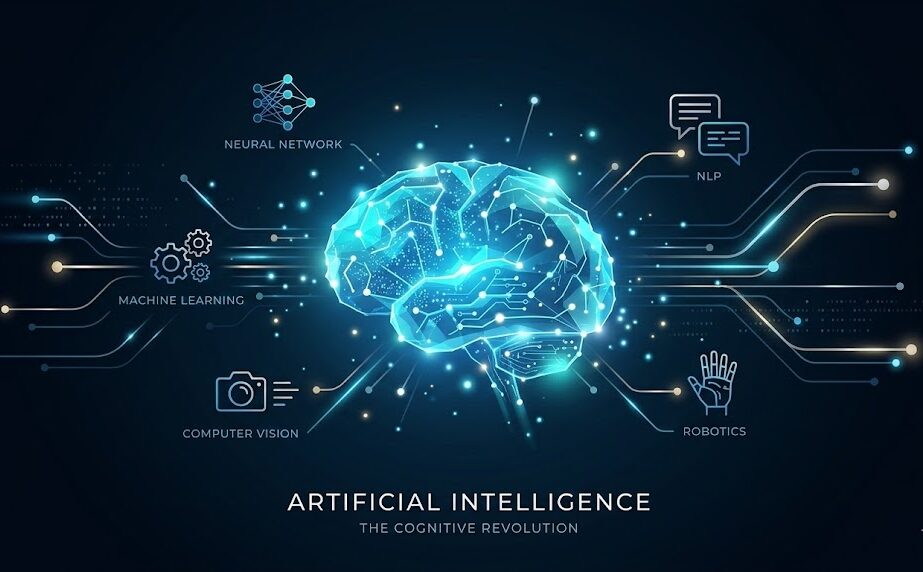
Artificial Intelligence (AI) is no longer a concept confined to the pages of science fiction. It has transcended its fictional origins and emerged as a pivotal part of our everyday lives. From voice-activated assistants like Siri to advanced algorithms powering social media feeds, AI creates an invisible thread weaving through various aspects of technology. As we stand on the brink of this technological revolution, it’s crucial to understand how artificial intelligence is shaping our future. Imagine machines that learn from experience, adapt to changes in their environment, and perform tasks with remarkable efficiency. The possibilities seem endless—transforming industries, enhancing productivity, and even reshaping human experiences. But as we embrace these advancements, questions arise about implications for jobs, ethics, and society at large. Join us on this journey as we explore the fascinating world of artificial intelligence—its evolution, advantages and disadvantages—and ponder what lies ahead in this rapidly changing landscape.
The History of AI and its Evolution
Artificial Intelligence has roots that trace back to ancient myths and stories about automated beings. The modern era began in the mid-20th century, when pioneers like Alan Turing proposed concepts of machines capable of intelligent behavior. The Dartmouth Conference in 1956 marked a pivotal moment. This gathering established AI as a field of study, attracting bright minds eager to explore its potential. Early successes included simple problem-solving programs and chess-playing algorithms. As technology advanced, so did AI’s capabilities. The introduction of machine learning allowed systems to improve through data exposure rather than just programming rules. In recent decades, breakthroughs in deep learning have fueled astonishing developments in image recognition and natural language processing. Today’s AI is not merely an extension but a transformation of how we interact with technology, pushing boundaries that were once thought impossible.
As artificial intelligence and machine learning continue to transform industries, professionals need advanced skills in data analysis and intelligent technologies to solve complex problems. Those looking to develop expertise in these areas can consider a masters in data science, which can help learners build knowledge in data science, machine learning, analytics, and AI while preparing for technology-driven career opportunities.
Advantages and Disadvantages of AI
Artificial Intelligence offers numerous advantages that can transform our lives. It enhances efficiency in various tasks, allowing businesses to save time and resources. Automation of repetitive processes frees up human employees for more complex work, fostering innovation. AI also improves accuracy in data analysis. With its ability to process vast amounts of information quickly, AI delivers insights that drive better decision-making. In healthcare, it aids diagnosis and personalized treatment plans. However, there are notable disadvantages as well. Job displacement is a significant concern; many fear that machines will replace human labor across industries. This shift may lead to economic inequality if proper measures aren’t taken. Moreover, reliance on AI raises worries about privacy and security risks. Data breaches could become more frequent as we increasingly depend on these technologies for personal and sensitive information management. Balancing progress with caution is essential for harnessing the power of Artificial Intelligence responsibly.
How AI is Changing Industries
Artificial Intelligence is revolutionizing various industries, transforming the way businesses operate. In healthcare, AI enhances diagnostics and personalizes treatment plans. Algorithms analyze medical data swiftly, leading to quicker patient care decisions. In finance, machine learning algorithms assess risks and detect fraud with unparalleled accuracy. This technology streamlines processes like loan approvals and investment strategies. Retail has embraced AI for inventory management and personalized shopping experiences. Chatbots now assist customers 24/7, providing instant support and recommendations tailored to individual preferences. Manufacturing benefits from automation powered by AI systems that predict maintenance needs before issues arise. This proactive approach minimizes downtime and boosts productivity. Transportation is another sector experiencing a seismic shift. Autonomous vehicles leverage AI for navigation, promising safer roads and efficient traffic management. As these examples illustrate, Artificial Intelligence is not just a tool; it’s an essential force reshaping industry landscapes across the globe.
Common Misconceptions About AI
Many people assume that Artificial Intelligence can think and feel like humans. This misconception stems from portrayals in movies and media, where AI often exhibits human-like emotions or consciousness. In reality, AI operates based on algorithms and data patterns. Another common belief is that AI will replace all jobs. While automation may impact certain roles, it also creates new opportunities in various fields. Embracing technology can lead to collaboration between humans and machines rather than outright replacement. Some believe that AI is infallible. However, errors can occur due to biased data or incorrect programming. Trusting AI blindly without human oversight can lead to significant issues. Many think that implementing Artificial Intelligence is only for large corporations. In truth, small businesses are increasingly leveraging affordable AI solutions tailored to their needs—democratizing access to this transformative technology across sectors.
Ethical Concerns Surrounding AI
Ethical concerns surrounding Artificial Intelligence are increasingly taking center stage. As AI systems gain more autonomy, questions arise about accountability and bias. One major issue is the potential for discrimination. Algorithms can perpetuate existing biases if they’re trained on flawed data. This could impact hiring practices, law enforcement, and even loan approvals. Privacy is another critical concern. With AI’s ability to analyze vast amounts of personal information, individuals may feel their privacy is compromised. The balance between innovation and protection becomes delicate. Moreover, there’s a fear of job displacement as automation rises. Many worry that machines will replace human roles in various sectors without providing adequate safety nets for affected workers. These ethical dilemmas require ongoing dialogue among technologists, policymakers, and society at large to navigate the complexities of this rapidly advancing field responsibly.
The Future of AI and Its Impact on Society
The future of artificial intelligence is both exciting and complex. As technology progresses, AI will further integrate into daily life, transforming how we work and communicate. In industries like healthcare, AI can analyze vast amounts of data to improve patient outcomes. Imagine personalized treatment plans created in real-time based on individual genetic profiles. Education will also experience a shift. Adaptive learning algorithms could tailor lessons to each student’s pace and style, making education more accessible than ever before. However, as AI grows more sophisticated, society must navigate challenges related to employment displacement. Jobs may evolve or disappear entirely due to automation. Additionally, the relationship between humans and machines raises questions about trust and decision-making. Will people rely too heavily on AI for critical decisions? These advancements demand thoughtful discourse around ethics and governance. Society must balance innovation with responsibility as we shape our shared future with artificial intelligence.
Conclusion
Artificial Intelligence is not just a buzzword; it’s a transformative force shaping our world. As we look ahead, AI continues to revolutionize numerous sectors, from healthcare to finance and beyond. Its potential seems limitless while presenting unique challenges that must be addressed. The rapid evolution of technology means that businesses and individuals alike need to adapt quickly. Understanding the balance between leveraging AI’s advantages and mitigating its risks will be essential for sustainable growth. As society embraces this new era of innovation, ongoing conversations around ethics and regulation become increasingly important. The path forward may not always be clear, but one thing remains certain: Artificial Intelligence is here to stay, redefining what is possible in ways we are just beginning to understand.


 is no longer a concept confined to the pages of science fiction. It has transcended its fictional origins and)