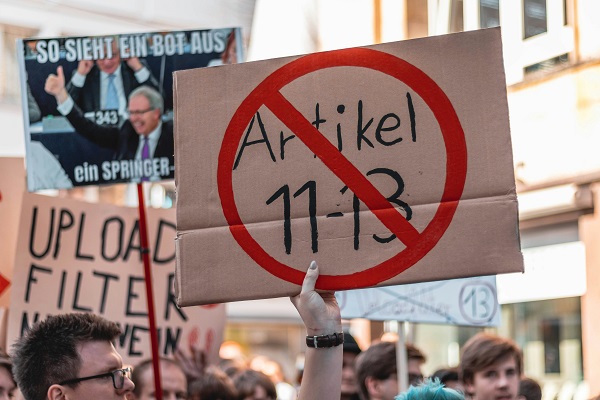
In today’s society, discussions surrounding the sensitivity in culture have gained momentum, prompting a closer examination of modern culture and its evolving norms. Sensitivity can be understood as the capacity to perceive and respond to the feelings, thoughts, and concerns of others, encompassing a spectrum of emotional awareness that often guides interpersonal interactions. As societal values shift, the definition of what it means to be sensitive is becoming increasingly nuanced and contextual. This blog post aims to explore key aspects of sensitivity within contemporary culture. One critical question to ponder is how the dynamics of communication and interaction have changed in response to heightened awareness around social issues, inclusivity, and personal identity. Various forms of media and platforms amplify voices that might have previously been marginalized, fostering an environment where sensitivity is often viewed as a virtue rather than a hindrance.
However, this increasing sensitivity is met with contrasting opinions regarding its impact. Proponents argue that a more sensitive culture creates an empathetic society, promoting understanding and tolerance among diverse groups. They assert that such sensitivity is vital for addressing long-standing injustices and nurturing an inclusive atmosphere. Conversely, critics caution that excessive sensitivity may lead to a culture of censorship and a reluctance to engage in open dialogue. This raises the question of whether heightened sensitivity serves as a protective mechanism or, conversely, as a barrier to frank discussions about important issues.
In navigating this complex landscape, it is essential to analyze both the advantages and disadvantages of modern sensitivity. This exploration will provide insight into whether the contemporary approach to sensitivity enhances or undermines aspects of our social fabric.
The Evolution of Sensitivity in Culture
Cultural sensitivity, an essential component of social discourse, has evolved significantly over the years, reflecting changes in societal norms, values, and the collective consciousness. Understanding this evolution necessitates examining its historical roots, which are closely intertwined with significant movements advocating for civil rights and social justice. These movements, primarily emerging in the mid-20th century, called attention to systemic inequalities and the lived experiences of marginalized communities. Activists sought to create more equitable spaces, emphasizing respect for diverse perspectives and the importance of acknowledging historical injustices.
As society became increasingly aware of injustices, the conversations around sensitivity began to shift, leading to a broader understanding of what constitutes acceptable discourse. This trajectory gained momentum through the 1980s and 1990s, as concepts such as political correctness emerged, aiming to mitigate language and behavior that could marginalize or offend certain groups. The rise of these ideas marked an essential turning point, as they encouraged individuals to reflect on their language and behavior, fostering an environment where sensitivity to others’ experiences became increasingly valued.
In the 21st century, this evolution further accelerated with the onset of the digital age, which provided platforms for diverse voices that were often underrepresented in traditional media. Social media became a space for advocacy, where dialogues about triggers, safe spaces, and microaggressions gained traction. Consequently, sensitivity in culture is now identified not just as an act of politeness but as a vital element of healthy, constructive discourse and community building. Awareness of the impact of language and actions on others fosters a more inclusive society, empowering individuals to contribute to discussions without fear of alienation.
The increased focus on sensitivity in contemporary culture can also be seen in various domains, from educational environments that implement safe spaces to workplaces that prioritize inclusion and diversity. This evolution emphasizes the ongoing negotiation of meaning, shaping how society navigates complex social issues.
Arguments Supporting Increased Sensitivity
In the contemporary landscape of social interactions, the call for increased sensitivity in cultural practices has found a relevant and necessary place. This heightened sensitivity is paramount as it acknowledges the diverse experiences and perspectives that exist in our multicultural society. By recognizing and valuing these varied experiences, individuals can cultivate a deeper understanding of the complexities that influence one another’s realities, thereby fostering a more empathetic community.
The necessity of protecting marginalized voices cannot be overstated. Historically, minority groups have often been silenced or overlooked in cultural discourse. Increasing sensitivity not only amplifies these voices but also contributes to a broader societal shift towards inclusion and respect. Research indicates that when marginalized communities are provided with platforms to express their viewpoints, society becomes richer and more diverse. This diversity in voice helps mitigate discrimination and promotes a sense of belonging for all individuals, thereby enhancing social cohesion.
Moreover, fostering inclusive environments plays a critical role in combating prejudice and discrimination. Sensitivity to cultural differences aids in creating spaces where everyone feels safe and valued. Educational institutions, workplaces, and other communal settings that prioritize sensitivity often report improved relationships and enhanced collaboration among members. When people perceive an environment as welcoming and inclusive, it encourages open dialogues about issues that matter, promoting understanding and potentially reducing conflicts. As society inches forward into an era marked by globalization and interconnectedness, the commitment to fostering sensitivity is vital for nurturing empathy, understanding, and respect across various cultural spheres.
Critiques of Over-Sensitivity
In contemporary society, the issue of sensitivity has become a focal point of discussion, with critics voicing concerns about its implications for free speech. Many argue that modern culture’s heightened sensitivity can lead to the stifling of open dialogue, as individuals may feel pressured to censor their thoughts to avoid backlash. This climate, they suggest, discourages robust discussions on controversial topics that are essential for societal progress. Critics assert that while the intention behind promoting sensitivity is often to foster inclusivity, the resulting atmosphere can paradoxically push discussions underground, preventing the exploration of diverse viewpoints.
Moreover, the fear of being accused of insensitivity can lead to self-censorship among individuals and organizations alike. This phenomenon has raised alarms regarding censorship in various forms, particularly in academic and creative spheres where the fear of repercussions may inhibit the free exchange of ideas. Such critics argue that the potential for ideological uniformity poses a risk to intellectual freedom and the advancement of knowledge, as dissenting opinions are sidelined in favor of a more comfortable narrative.
Additionally, there are concerns that a culture overly focused on sensitivity might foster division rather than promote understanding. Critics point out that when people retreat into echo chambers, reinforcing their own beliefs while rejecting those that challenge their views, it engenders an atmosphere of hostility. Such an environment can deepen societal rifts, leading to polarization and ultimately impeding the very dialogue that sensitivity aims to facilitate. There is a growing recognition that achieving genuine understanding requires confronting uncomfortable truths, a process that becomes difficult in a landscape marked by excessive sensitivity.
The Role of Social Media
Social media has become an integral part of modern society, fundamentally reshaping communication and interaction. One of the most significant outcomes of this transformation is the manner in which social media platforms have influenced the sensitivity of contemporary culture. With the advent of rapid information sharing, news and opinions can circulate at an unprecedented speed, creating an environment where reactions are often immediate and visceral. This immediacy can sometimes lead to heightened sensitivities around various topics, as individuals react to content without fully considering the complexities involved.
Cancel culture, a phenomenon characterized by the collective withdrawal of support from individuals or organizations perceived to have engaged in inappropriate behavior, has gained traction with the rise of social media. This practice illustrates the growing intolerance for controversial viewpoints; if someone expresses a perspective deemed offensive, they can face swift backlash. While this can empower marginalized voices and hold individuals accountable, it can also create a chilling effect on free expression, as people may become reluctant to share nuanced or dissenting opinions for fear of being “canceled.” Thus, while the platforms strive to foster inclusivity, they can inadvertently stifle diverse discussions.
Moreover, social media amplifies voices that were previously marginalized, serving as a crucial tool for social movements. Platforms like Twitter, Facebook, and Instagram have provided spaces for individuals to share their stories and advocate for change. However, this amplification can also lead to oversimplification of complex issues, as the nuance often inherent in discussions gets overshadowed by a desire for viral engagement. Users may prioritize quick, easily digestible content over the thoughtful discourse needed in addressing sensitive topics. As a result, while social media has the potential to promote inclusivity and sensitivity, it also poses significant challenges that complicate public conversations.
Cultural Sensitivity vs. Political Correctness
Cultural sensitivity and political correctness are two concepts often discussed in contemporary society, yet they are frequently conflated or misunderstood. Understanding the distinction between them is essential for fostering effective communication and respectful social interactions. Cultural sensitivity involves an awareness, understanding, and respect for the differences and unique attributes of various cultural groups. It emphasizes the importance of recognizing diverse perspectives and experiences, which can lead to more inclusive environments and better interpersonal relationships. The goal is to enhance mutual understanding and reduce potential offense that can arise from cultural misunderstandings.
On the other hand, political correctness is a term used to describe language or policies that aim to avoid offense, particularly regarding marginalized or discriminatory issues. It often entails the use of specific terms and phrases that reflect respect for diversity and inclusion. However, critics argue that political correctness can sometimes lead to censorship of free speech, restricting open dialogue in favor of adhering to socially accepted norms. This can result in a tension between upholding individuals’ rights to express their views and the necessity to maintain a respectful dialogue that takes into account the feelings and backgrounds of others.
In terms of implications, cultural sensitivity encourages active listening and understanding, which are vital for effective communication. When individuals engage with an awareness of cultural differences, they foster a climate that values diversity. Conversely, the pursuit of political correctness may sometimes create an environment of guardedness, where individuals may feel uncertain about expressing their thoughts for fear of being labeled insensitive. This distinction is crucial in navigating the complexities of modern social interactions, where understanding the balance between sensitivity and expression remains a pertinent challenge.
Generational Perspectives on Sensitivity
The issue of sensitivity in modern culture often elicits varied perspectives across different generations. Younger generations, particularly Millennials and Generation Z, tend to embrace higher sensitivities towards social justice and inclusivity. They have grown up in an increasingly diverse society, where issues such as gender identity, racial equity, and mental health awareness are at the forefront of public discourse. For them, sensitivity is often seen not just as a response to cultural changes, but as a moral imperative.
On the other hand, older generations, such as Baby Boomers and Generation X, may perceive these attitudes as overly sensitive or even as a threat to free expression. This viewpoint often stems from a different context of social norms and values that shaped their formative years. For many in these older cohorts, discussions around political correctness might evoke feelings of nostalgia for a time when jokes or casual comments could be made without fear of backlash. Consequently, they may view sensitivity as a hindrance to open dialogue rather than as a significant civil rights issue.
These contrasting views significantly influence public discourse and cultural expectations. The younger generations advocate for a critical examination of language and behaviors, asserting that these elements have a tangible impact on societal acceptance and inclusion. Many argue that this shift towards sensitivity is a necessary evolution of communication that fosters a space for marginalized voices. Meanwhile, older generations may struggle to adapt to these changes, often leading to cultural clashes that can polarize communities.
Ultimately, understanding how different generations perceive sensitivity is crucial in bridging gaps in communication and fostering an environment that encourages respectful discourse. When these generational perspectives are considered, it opens avenues for constructive dialogue, allowing for a richer societal understanding of cultural expectations.
Case Studies of Sensitivity in Action
In recent years, numerous instances have emerged across various sectors that illustrate the concept of sensitivity within modern culture. These case studies shed light on both the proactive measures taken to foster inclusivity and the subsequent controversies that arise as a response to heightened sensitivity.
One significant example can be found in the realm of education, particularly within higher institutions. A university in the United States implemented a trigger warning policy for literature and media studies courses. This policy aims to prepare students for potentially disturbing content that may evoke strong emotional reactions. While proponents argue that such measures are crucial for creating a safe learning environment, detractors assert that over-sensitivity may limit the exploration of complex themes in academic discourse. This ongoing debate illustrates the delicate balance between safeguarding emotional well-being and preserving intellectual freedom.
In the arts, the film industry has witnessed increased scrutiny regarding casting decisions. The controversy surrounding the portrayal of diverse characters in films has given rise to discussions about representation and authenticity. For instance, the casting of a white actor in a lead role originally meant for a person of color sparked significant backlash, leading to widespread calls for more inclusive practices. This case not only emphasizes the sensitivity surrounding representation in the arts but also highlights how industry standards are evolving to accommodate cultural nuances.
Finally, in the media landscape, the response to jokes and commentary on social issues has become increasingly scrutinized. For example, a well-known comedian faced backlash for remarks perceived as insensitive to marginalized communities. This incident provoked discussions regarding the limits of humor in an era where social awareness is paramount. While some argue that comedy should challenge societal norms, others contend that it must adhere to certain sensitivities to avoid perpetuating harmful stereotypes.
Conclusion and Reflections
In examining the nuances of modern culture’s sensitivity, we have traversed various dimensions that highlight the dynamics at play. Sensitivity, as it manifests today, has become both a lens through which individuals and communities navigate societal issues and a potential barrier to open discourse. As we engage with this topic, it is paramount to recognize the delicate balance between fostering compassion and promoting dialogue. The ongoing debates surrounding freedom of speech and inclusivity remind us that these conversations are not merely academic but impact real lives.
The factors contributing to the perception of heightened sensitivity range from the evolution of social norms to the role of technology in shaping communication. With the proliferation of social media platforms, a heightened awareness of diverse perspectives has been cultivated, leading to greater empathy for marginalized groups. However, this same platform can amplify instances of backlash against perceived insensitivity, sometimes stifling open discussions that are crucial for growth.
As we ponder the way forward, it is worth reflecting on the implications of our understanding of sensitivity in culture. Are we cultivating an environment where different viewpoints can coexist, or are we inadvertently raising barriers to healthy debates? The challenges we face include navigating the complexities of expressing dissent while honoring the lived experiences of others. This necessity invites us to consider how we can strike a judicious balance between understanding and the preservation of free thought.
Future discourse may require a reevaluation of our collective approach to sensitivity. Questions arise about how we, as individuals and communities, can engage in discussions that bridge empathy with openness. As we consider our roles in this evolving cultural landscape, it becomes evident that fostering dialogue requires deliberate effort, a willingness to listen, and an open heart. Thus, the exploration of modern culture’s sensitivity will continue to be a topic of importance, urging us to reflect on our values and actions moving forward.