



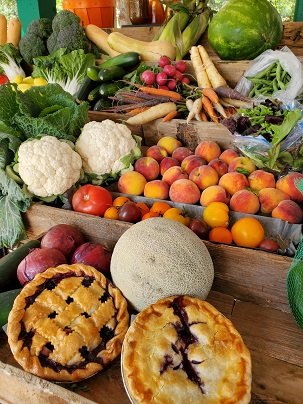
As the temperature rises, the importance of choosing appropriate foods for sustenance becomes evident. Summer foods are characterized by their light, refreshing qualities, which not only provide nourishment but also help to keep the body cool during the hot weather. Fresh fruits, vegetables, and whole grains are among the primary components of summer cuisine, offering a plethora of flavors and nutrients essential for maintaining health in the warmer months.
During summer, it is beneficial to prioritize seasonal ingredients that are abundant and readily available. Locally sourced produce tends to be fresher, richer in nutrients, and more flavorful. Consuming such ingredients not only supports local farmers but also encourages a sustainable approach to eating. Seasonal selections can include tomatoes, cucumbers, berries, and melons, all of which are known for their high water content, making them excellent choices for hydration.
Furthermore, meals enjoyed during summer often focus on lighter preparations. Cooking methods such as grilling, steaming, or simply preparing salads allow for the preservation of vital nutrients while enhancing flavors. By incorporating fresh herbs and spices, individuals can create vibrant dishes that encourage a sense of wellness and vitality. This approach aligns with the general dietary principle of consuming meals that are as close to their natural state as possible, which is particularly advantageous during the hottest months.
In summary, embracing summer foods involves selecting seasonal ingredients that promote refreshment and nourishment. By focusing on light, wholesome meals, individuals can better adapt to the demands of summer weather while enjoying the rich bounty of the season.
Fruits That Shine in Summer
As the temperatures rise during the summer months, many people seek refreshing and nutritious fruits to incorporate into their diets. Seasonal fruits offer not only excellent hydration but also an abundance of vitamins and antioxidants. Among the most popular summer fruits are berries, watermelon, peaches, and mangoes, each providing unique flavors and health benefits.
Berries, including strawberries, blueberries, and raspberries, are not only delightful in taste but also packed with nutrients. They are rich in antioxidants, which can help combat oxidative stress in the body. These versatile fruits can be enjoyed fresh, added to smoothies, or used as toppings for yogurt and oatmeal, enhancing flavor and nutrition.
Watermelon is a quintessential summer fruit, renowned for its high water content, making it an ideal snack for hot days. With its naturally sweet taste, watermelon is not only hydrating but also a source of vitamins A and C. It can be eaten on its own, blended into refreshing juices, or incorporated into salads with feta cheese for a savory twist.
Peaches are another summer favorite, known for their juicy texture and fragrant aroma. Rich in vitamins A and C, they provide a sweet flavor that pairs well in various dishes. Peaches can be enjoyed sliced in salads, grilled for a smoky flavor, or baked into desserts like pies and cobblers.
Mangoes, often referred to as the “king of fruits”, boast a tropical sweetness that shines during summer. They are high in fiber and contain numerous vitamins, particularly vitamin C. Mangoes can be added to salsas, smoothies, or simply enjoyed fresh. The combination of taste and nutritional value makes mangoes a versatile component for any summer meal.
In conclusion, embracing these seasonal fruits not only enhances the culinary experience during summer but also contributes to a balanced and nutritious diet. Incorporating a variety of these fruits into meals and snacks can help individuals stay rejuvenated and healthy in the warm weather.
Refreshing Salads to Beat the Heat
As the summer sun blazes, consuming refreshing salads can be an ideal way to stay cool and nourished. Salads not only offer a vibrant array of colors and textures but also provide essential nutrients that our bodies need during the hot months. The primary components of a summer salad typically include fresh greens, seasonal vegetables, and ripe fruits, all of which contribute to hydration and energy replenishment.
Leafy greens such as spinach, arugula, and romaine are perfect bases for summer salads. These greens are low in calories yet high in vitamins A, C, and K, making them nutritious choices that can help maintain hydration levels. Adding refreshing vegetables like cucumbers, bell peppers, and cherry tomatoes can enhance the overall texture and flavor while providing additional hydration due to their high water content.
Fruits should not be overlooked during summer salad preparation. Ingredients such as watermelons, strawberries, and blueberries not only add sweetness but also contribute antioxidants that are beneficial for health. Combining these fruits with greens and vegetables can create a balanced dish that is both satisfying and healthful.
When it comes to dressings, lighter options are preferable in warmer weather. Homemade vinaigrettes using olive oil, vinegar, fresh lemon juice, and herbs can enhance the flavors of salads without overwhelming them. These dressings also provide heart-healthy fats and the tanginess needed to elevate a dish’s appeal.
Incorporating salads into your summer diet can lead to improved hydration levels and better overall well-being. They serve as a great way to consume a variety of nutrients without feeling weighed down, making them an excellent meal choice during the sweltering months.
Grilling Guide: Best Foods for the Grill
Grilling is an iconic cooking method that defines summer, bringing people together for outdoor gatherings and festive barbecues. As the warm weather beckons, it’s time to explore the best foods to enhance your grilling experience. Meats, vegetables, and fruits become even more flavorful when cooked over an open flame, making them prime candidates for your summer meals.
When it comes to meats, several selections stand out. Classic options such as chicken breasts marinated in a blend of lemon, garlic, and herbs are not only tender but also incredibly flavorful. Beef steaks, particularly cuts like ribeye or sirloin, are excellent choices due to their rich taste and marbled fat, which caramelizes beautifully on the grill. For a more unique flair, consider lamb chops flavored with rosemary and garlic, which provide a delightful aroma and taste. Don’t forget about seafood; shrimp skewers seasoned with chili and lime are a quick-cooking option that adds a refreshing taste.
Vegetables also shine on the grill, bringing vibrant colors and textures to your plate. Bell peppers, zucchini, and asparagus are among the best choices for grilling. Tossing these veggies in olive oil and seasoning them with salt and pepper can enhance their natural sweetness while creating enticing char marks. Additionally, grilling corn on the cob is a summer favorite, which can be brushed with flavored butters for an added kick.
Lastly, fruit can take your grilling game to the next level. Pineapple and peaches become wonderfully caramelized when grilled, amplifying their sweetness and making them an excellent addition to tacos or salads. To enhance flavors, marinating your meats and vegetables several hours before grilling can make a significant difference. Incorporate herbs, spices, and acids like vinegar or citrus juice into your marinades to bring out the best in each ingredient.
Hydrating Beverages for Summer
As the temperatures rise during the summer months, the importance of maintaining proper hydration cannot be overstated. Consuming a variety of hydrating beverages not only helps replenish lost fluids but can also provide essential nutrients. There are numerous options available that can effectively cool you off and keep your body hydrated.
One popular choice is infused water, which enhances the basic flavor of water with fresh fruits and herbs. Common combinations include cucumber with mint, strawberry with basil, and lemon with rosemary. To prepare, simply add sliced fruits and herbs to a pitcher of water and allow it to steep in the refrigerator for a few hours. This method provides a refreshing drink packed with vitamins, with low calories and no added sugars.
Smoothies are another excellent option during the summer. They can be created with a variety of fruits, vegetables, and liquids, such as coconut water or almond milk. For a cooling treat, consider blending together watermelon, spinach, and a splash of lime juice, creating a deliciously hydrating beverage that is rich in antioxidants. Smoothies are not only refreshing but can also serve as a meal replacement, providing energy and hydration in one portable package.
Herbal teas, served iced, are also beneficial in keeping you hydrated. Varieties such as hibiscus, peppermint, and chamomile can be steeped and then chilled for a soothing drink. These teas are caffeine-free and offer unique flavors, making them delightful options for summer quenching thirst. Try brewing and then serving them with a splash of citrus or a touch of honey for added flavor.
Incorporating these hydrating beverages into your summer routine can enhance your overall well-being. Not only do they supply hydration, but they also enable you to enjoy the vibrant flavors of the season.
Light and Easy Snacks for Summer
As the summer season arrives, it brings with it a desire for lighter, fresher foods that can keep us cool and energized. The warm weather often calls for snacks that are quick to prepare, nutritious, and enjoyable. Here are some delightful options that embody these qualities.
Vegetable sticks with dips are an excellent choice for a healthy snack during the summer months. Crisp carrots, cucumbers, and bell peppers can be sliced into easy-to-handle sticks. Pair them with a variety of dips such as hummus, guacamole, or even a tangy yogurt-based dip to enhance both flavor and nutrition. This combination not only satisfies the crunch craving but also boosts your intake of vitamins and minerals.
Another refreshing snack idea is the yogurt parfait. By layering low-fat yogurt with fresh seasonal fruits like strawberries, blueberries, or peaches, you create a delicious and visually appealing treat. For added texture, sprinkle a handful of granola or nuts between the layers. This parfait not only provides a good balance of protein and carbohydrates but also serves as a satisfying and cool option on hot days.
Frozen treats are a fun way to beat the summer heat. Consider blending fruits such as bananas, mangoes, or mixed berries with yogurt or coconut water to create a smoothie. Pour this mixture into molds and freeze for a few hours to enjoy a healthy and hydrating popsicle. These frozen snacks are not only refreshing but can also be customized with your favorite fruits and additional ingredients like chia seeds for added nutrition.
Incorporating these light and easy snacks into your summer routine can enhance your overall well-being while providing a variety of flavors and textures to enjoy. By focusing on simple, nutritious options, you can maintain a healthy lifestyle even during the warmer months.
Summer Superfoods to Include in Your Diet
The summer season brings along an abundance of fresh produce, offering a variety of superfoods that can significantly enhance your diet. Among the most beneficial options are cucumbers, tomatoes, and bell peppers. Each of these vegetables not only adds vibrancy to meals but also packs a punch when it comes to nutrition.
Cucumbers are an excellent summertime choice due to their high water content, helping to keep the body hydrated during hot months. Rich in vitamins K and C, cucumbers support healthy skin and may contribute to weight management. A simple way to enjoy cucumbers is by incorporating them into salads or as snacks with a light dip, providing a refreshing crunch while reaping their health benefits.
Tomatoes are another summer superfood, known for being packed with antioxidants, particularly lycopene, which may reduce the risk of certain chronic diseases. They also contain vitamin C and potassium, essential for maintaining overall health. Fresh tomatoes can be enjoyed in countless ways: from salads and salsas to homemade gazpachos, enhancing flavor while delivering vital nutrients. Opting for heirloom varieties can also introduce unique flavors and textures.
Bell peppers further contribute to a nutritious summer diet. These vibrant vegetables are low in calories yet rich in vitamins A and C, which bolster the immune system and promote healthy skin. Bell peppers can be added to summer stir-fries, grilled alongside meats or vegetables, or enjoyed raw in salads. Their versatility makes them easy to incorporate into various meals, ensuring a flavorful summer experience.
Integrating these superfoods into your daily meals not only nourishes your body but also celebrates the rich flavors of summer. By making cucumbers, tomatoes, and bell peppers staples in your diet, you can enjoy the season’s bounty while supporting your health.
Cooking Tips for Summer Meals
As the temperature rises during the summer months, it is important to adjust cooking habits to not only cope with the heat but also to take advantage of seasonal ingredients. One effective approach is to minimize heat in the kitchen. Utilizing small appliances such as slow cookers or microwaves can be an excellent way to prepare meals without overheating the home. In addition, consider grilling outside, which not only adds a delightful flavor to foods but also keeps the heat away from the kitchen.
Planning and preparing meals ahead of time is another beneficial strategy during the summer. Meal prepping can significantly reduce the need for daily cooking, allowing more time for enjoyment and relaxation. Preparing larger batches of recipes and storing them in the refrigerator or freezer can ensure a variety of meals are readily available. This can reduce stress during busy summer days and allow for nutritious options that align with the season.
Embracing no-cook recipes is a great way to stay cool while enjoying delicious and healthy meals. Salads, wraps, and cold pasta dishes can be prepared quickly and require minimal effort. Raw vegetables with dips or fresh fruit can serve as lighter snack alternatives that are refreshing in the heat. Incorporating an array of seasonal fruits and vegetables can add both variety and nutrition to your summer meals, keeping them flavorful and vibrant.
Lastly, hydration is essential during the summer, so incorporating refreshing beverages like infused water or herbal iced teas can complement any meal. By following these practical cooking tips, you can enjoy summer with enjoyable, nutritious foods while keeping your kitchen cool and inviting.
Conclusion: Embracing Seasonal Eating
As the summer season unfolds, it presents a unique opportunity to indulge in the vibrant array of fresh produce available during this time. Embracing seasonal eating not only enhances our culinary experiences but also supports local agriculture and reduces our carbon footprint. By choosing to consume fruits and vegetables that are in season, we can enjoy the peak flavors and nutritional benefits that these ingredients offer.
Summer brings a delightful selection of produce such as ripe tomatoes, juicy melons, and an assortment of berries. Incorporating these seasonal foods into our meals allows us to explore new recipes and expand our culinary horizons. For example, a refreshing watermelon salad or a tomato basil bruschetta can easily become staples of our summer dining. These dishes not only showcase the flavors of the season but also encourage creativity in the kitchen.
Moreover, supporting local farmers by purchasing seasonal produce fosters a sense of community and ensures the consumption of fresh, nutrient-rich foods. Visiting local farmers’ markets can be an enjoyable weekend activity, allowing individuals to connect with the producers and learn more about the origins of their food.
It is also relevant to consider the environmental impact of our food choices. Eating seasonally minimizes the need for long-distance transportation, which reduces greenhouse gas emissions. By making conscious choices and prioritizing seasonal ingredients, we contribute to the health of our planet while enjoying the best that summer has to offer.
In conclusion, embracing seasonal eating during the summer is a rewarding approach that enriches our meals and supports sustainable practices. By exploring new recipes and indulging in local produce, we can truly savor the essence of summer.