



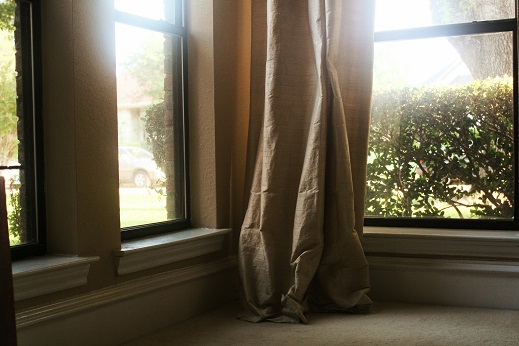
When selecting the perfect curtains selection for your home, it is crucial to first assess the overall decor and atmosphere of your living space. The curtains you choose must complement the existing style while enhancing the room’s functionality. Begin by considering the specific purpose of the room. For instance, bedrooms may benefit from blackout curtains to ensure privacy and promote better sleep, while living areas often require more decorative options that allow natural light to flow through.
Next, take into account the color scheme of your home. The curtains should either match the predominant colors found in your decor or provide a contrasting yet harmonious accent. Utilizing a color wheel can help identify complementary hues, ensuring that your choice elevates the aesthetic appeal of your space. Additionally, consider the scale and proportion of your windows. Larger windows can comfortably accommodate bolder patterns or heavier fabrics, while smaller windows often necessitate lighter textiles that don’t overwhelm the area.
Gathering inspiration is essential for narrowing down your options. Design magazines and various social media platforms such as Pinterest and Instagram can showcase trending styles, colors, and textures that resonate with your personal taste. Take notes or create a mood board reflecting the styles that capture your attention. Ultimately, the perfect curtains are those that marry functionality with your individual style, enhancing rather than detracting from your home’s unique atmosphere. By diligently assessing your space and expressing your preferences, you pave the way for selecting curtains that truly resonate with your overall home decor.
Types of Curtains and Their Functions
Choosing the right curtains for your home requires a good understanding of the various types available and their specific functions. Among the most popular types are blackout curtains, sheer curtains, and decorative drapes, each serving distinct purposes.
Blackout curtains are designed to block out light completely, making them an ideal choice for bedrooms or media rooms where light control is essential. These curtains often feature a thick, opaque fabric that not only provides privacy but also aids in temperature regulation, keeping spaces cooler in summer and warmer in winter. Installing blackout curtains can significantly enhance the comfort of your living space by creating a more conducive environment for rest and relaxation.
In contrast, sheer curtains are crafted from lightweight fabrics that allow natural light to filter through while providing minimal privacy. These curtains are perfect for living areas where you wish to maintain brightness without sacrificing a feeling of openness. Sheers can soften the edges of windows, creating an inviting atmosphere, and are often used in combination with heavier drapes for added versatility.
Decorative drapes, on the other hand, are primarily focused on aesthetic appeal. They come in a variety of colors, patterns, and textures, transforming a room’s ambiance. While they may offer some level of light control and privacy, their main function is to enhance the overall decor of a space. Selecting the right fabric is crucial, as it influences not only the look but also the performance of the drapes in terms of insulation and light filtration.
Understanding the characteristics of each curtain type along with their fabric choices is important when selecting the perfect curtains for your home. The right selection can enhance both the functionality and decor of your space, leading to a more harmonious living environment.
Measuring and Choosing the Right Size
Choosing the perfect curtains for your home begins with accurate window measurements. This step is crucial, as the right size not only enhances the aesthetic appeal of your space but also ensures functionality. To start, gather the necessary tools: a metal measuring tape and a pencil for marking your measurements.
First, measure the width of your window from one edge to the other. To achieve a fuller look, it is advisable to add an extra 4 to 8 inches on each side. This will allow the curtains to hang properly, framing the window without blocking light when open. Next, determine the length of the curtains. The standard lengths are usually 63, 84, 96, or 108 inches; however, you can opt for custom lengths if needed. Measure from the top of your window frame to the desired point—this could be just below the sill, at the floor level, or even pooling on the floor for a more dramatic effect.
In addition to the window dimensions, consider the curtain rod and brackets, which need to be included in your measurements. When installing the rod, it is generally recommended to mount it 4 to 6 inches above the window frame to create an illusion of height. The distance from the top of the curtain to the rod will also affect the total length required.
Incorrect sizing can dramatically impact the overall look of a room. Curtains that are too short can make a space feel unbalanced, while excessively long curtains may overwhelm a room or appear messy. To prevent these issues, take your time measuring and cross-check numbers to ensure accuracy. The effort put into measuring will pay off in achieving the desired aesthetic and functionality for your home.
Styling and Maintenance Tips for Your Curtains
Selecting the right curtains is only the first step toward creating a well-styled room. Effective styling involves considering the overall decor, light control, and privacy needs. One popular method is layering your curtains. This can involve using sheer curtains in combination with heavier drapes. The sheer layer allows natural light to filter through while providing some level of privacy, all while the heavier drapes can block out light when needed. When layering, it is advisable to use a color palette that complements your existing decor to achieve a cohesive look.
Tying back curtains can also enhance your window styling. You might consider using decorative tiebacks that match your room’s aesthetic. This not only keeps the curtains away from the window but also creates an elegant, inviting atmosphere. Additionally, mixing patterns can add depth to your space. If you opt for patterned curtains, pairing them with solid-colored elements in the room, such as cushions or a throw, achieves balance and prevents overwhelming the space.
Maintaining your curtains is essential to their longevity and appearance. Different fabrics require specific care methods. For example, lightweight materials like cotton or polyester can often be machine-washed, while heavier fabrics such as velvet may require dry cleaning. Regular dusting or vacuuming can help maintain their freshness. Additionally, it’s vital to avoid placing curtains in direct sunlight as this may lead to fading over time. Installing blinds or shades behind curtains can provide an additional layer of protection against sun damage. Taking these steps will not only enhance the aesthetic appeal but also ensure your curtains remain in impeccable condition for years to come.