



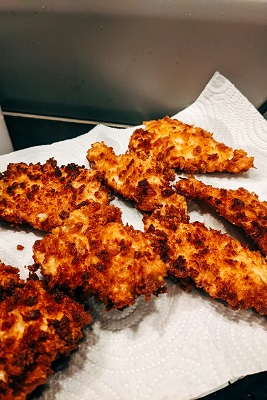
To create the perfect crispy fried chicken at home, it is essential to gather the right ingredients. These components not only enhance the flavor but also contribute to achieving that coveted crunch. Here’s a breakdown of what you will need:
Chicken Cuts: The type of chicken used significantly affects the final outcome. For optimal results, consider using parts like drumsticks, thighs, or a whole chicken cut into pieces. These parts have a higher fat content, which helps in retaining moisture during frying and provides a more flavorful experience.
Spices and Seasonings: Flavor is paramount; hence, a mixture of spices and seasonings is vital. Common choices include garlic powder, onion powder, paprika, salt, and black pepper. For an extra kick, consider adding cayenne pepper or a blend of your favorite herbs. Marinating the chicken in buttermilk for a few hours or overnight not only tenderizes but also infuses the meat with rich flavor.
Breading Options: The crust of the fried chicken is influenced by the type of coating used. Traditional recipes often use all-purpose flour, but alternatives such as seasoned cornmeal or a combination of flour and breadcrumbs can be used for added texture. For a more gluten-free option, consider using almond flour or chickpea flour instead. Whatever your preference, ensure that the breading is seasoned well.
Oil for Frying: The choice of oil significantly impacts the cooking process and the final taste. Oils with higher smoke points, such as peanut oil, canola oil, or vegetable oil, are ideal for frying, as they help to maintain high temperatures necessary for crispiness without burning.
By assembling these ingredients beforehand, you will streamline the cooking process and enhance your chances of creating delicious, crispy fried chicken at home.
Preparing the Chicken
To begin the process of preparing chicken for frying, it is essential to choose the right cut. While whole chickens can be cut into pieces, many people prefer specific parts such as thighs, drumsticks, or breasts. Ensure that the chicken is fresh and of high quality, as this will contribute significantly to the final flavor and texture of the fried chicken.
Next, it is crucial to properly clean the chicken. Rinse each piece under cold running water and pat it dry with paper towels. Make sure to remove any excessive fat and skin that could lead to grease buildup during cooking. Cutting the chicken into uniform sizes ensures even cooking, so it’s beneficial to consider the thickness of the pieces as well.
Once the chicken is cleaned and cut, marinating is a key step that can enhance the chicken’s flavor and tenderness. There are two main techniques for marinating: using a dry rub or a wet marinade. A dry rub typically consists of a mixture of spices and herbs that are massaged into the chicken, allowing the flavors to penetrate deeply. On the other hand, a wet marinade, which includes liquids such as buttermilk or yogurt, not only infuses flavor but also helps tenderize the meat by breaking down proteins.
The choice between a dry rub or a wet marinade ultimately depends on personal preference and desired flavor profile. It is advisable to marinate the chicken for at least one hour, but overnight marinating yields even better results.
Managing the temperature of the chicken before and during frying plays a crucial role in achieving perfectly cooked chicken. It is recommended to allow the marinated chicken to come to room temperature prior to frying; this helps ensure even cooking throughout. Adhering to these preparatory steps lays the foundation for crispy, delicious fried chicken that is sure to please anyone who enjoys this classic dish.
The Frying Process
The process of frying chicken to achieve a perfectly crispy crust begins with selecting the right oil and ensuring it reaches the correct temperature. The ideal frying oil should have a high smoke point, meaning it can withstand high heat without burning. Common choices include vegetable oil, canola oil, or peanut oil. Typically, the frying temperature should be maintained between 325°F to 375°F (163°C to 191°C). This range allows for the best balance between cooking the chicken thoroughly and creating a golden, crispy exterior.
To determine when the oil is ready for frying, a thermometer can be invaluable. However, a simple test involves dropping a small piece of bread into the oil; if it browns in about 60 seconds, the oil is at an adequate temperature. Failing to do this can result in chicken that is either undercooked or burnt, both of which detract from the desired crispy texture.
When it comes to frying equipment, a deep fryer is ideal as it can regulate temperature more accurately. However, a heavy-bottomed pot or a large skillet can suffice. It is important to avoid overcrowding the frying vessel, as adding too much chicken at once can significantly drop the oil temperature, leading to greasy rather than crispy chicken. It is advisable to fry batches of chicken, keeping the pieces sufficiently spaced apart to ensure that they cook evenly.
Additionally, safety should always be a priority when frying. Ensure that the frying area is clear of any flammable materials. Using a splatter guard can help contain any oil splashes, and it is advisable to keep a lid nearby to smother any accidental flames. By closely following these guidelines, one can enjoy deliciously crispy fried chicken that can be made at home with professional-quality results.
Serving and Storing Your Crispy Fried Chicken
Once you have successfully prepared your crispy fried chicken, the next step is to consider how to serve it for maximum enjoyment. A beautifully presented dish can greatly enhance the dining experience. For serving, you might choose a large platter, layering the pieces of chicken for an inviting display. Accompanying the fried chicken with popular sides such as coleslaw, mashed potatoes, or baked beans can complement its flavors and add nutritional balance to the meal. Moreover, various dipping sauces can elevate the overall taste; options like ranch, honey mustard, and spicy sriracha are excellent choices that cater to different palates.
When it comes to storing any leftover crispy fried chicken, proper storage techniques are crucial to maintain its delightful crunch. First, allow the chicken to cool down to room temperature. Once cooled, wrap the pieces loosely in aluminum foil or parchment paper to avoid trapping moisture, which could lead to sogginess. Place the wrapped chicken in a zip-top plastic bag or an airtight container, ensuring as much air is removed as possible before sealing. This method helps protect the texture of the fried chicken during storage.
For reheating, avoid using the microwave, as it can result in a soft and unappealing texture. Instead, preheat your oven to 375°F (190°C). Place the chicken pieces on a wire rack over a baking sheet to allow airflow, which promotes crispiness. Heat for approximately 15 to 20 minutes, checking frequently for the desired temperature. Alternatively, if you want a quicker method while retaining the crispiness, you can use an air fryer for about 8 to 10 minutes at 350°F (175°C). By following these serving and storing guidelines, you can ensure that your homemade fried chicken remains a delicious centerpiece for future meals as well.