


Homemade pizza presents a delightful culinary adventure that not only tantalizes the taste buds but also fosters creativity within the kitchen. Unlike store-bought options, crafting your own pizza allows for an unparalleled level of customization. From the choice of crust thickness to an array of toppings, you can create a unique masterpiece tailored to your personal preferences and dietary needs.
One of the primary advantages of making pizza at home is the ability to utilize fresh, high-quality ingredients. Choosing seasonal vegetables, artisanal cheeses, and premium meats significantly enhances the flavor profile of your pizza. Additionally, homemade pizza allows for the incorporation of healthier alternatives, such as whole grain crusts or gluten-free options, catering to various dietary restrictions while ensuring satisfaction.
The process of making pizza can be equally rewarding and enjoyable. Involving family and friends in the preparation can turn cooking into a communal activity, fostering bonding and shared experiences. From kneading the dough to arranging toppings, everyone can partake in the fun. Additionally, the aroma of freshly baked pizza wafting through the house creates an inviting atmosphere that enhances mealtime enjoyment.
Moreover, making pizza at home offers financial advantages, as creating multiple pizzas from scratch is often more cost-effective than purchasing them from restaurants. This financial savings, combined with the enhanced flavor, nutritional benefits, and personalized experience, underscores the merits of homemade pizza. As we delve into the specific recipes later in this post, prepare to embrace the joy and satisfaction that comes with making your very own pizza creation.
Classic Pizza Dough Recipe
Creating the ideal classic pizza dough is the foundation of a great homemade pizza experience. To start, you will need the essential ingredients: 2 ½ cups of all-purpose flour, 1 teaspoon of salt, 1 teaspoon of sugar, 1 packet of instant yeast (about 2 ¼ teaspoons), and 1 cup of warm water (about 110°F or 43°C). Optional addition of 2 tablespoons of olive oil can enhance the dough’s flavor and texture.
Begin by combining the warm water, sugar, and yeast in a mixing bowl. Allow the mixture to sit for about 5-10 minutes until it becomes frothy. In another bowl, combine the flour and salt. Once the yeast has activated, gradually mix the wet ingredients into the flour mixture. Stir until a shaggy dough forms.
After the initial mixing, transfer your dough to a lightly floured surface and begin kneading. This process is crucial for developing gluten, which contributes to the texture of your pizza crust. Knead the dough for approximately 8-10 minutes until it is smooth and elastic. Form the dough into a ball and place it in a lightly oiled bowl, covering it with a damp cloth. Allow the dough to rise in a warm place for 1-2 hours, or until it has doubled in size.
For those with dietary restrictions, gluten-free pizza dough options are available. Substitute the all-purpose flour with a gluten-free mix, ensuring it contains xanthan gum for better texture. The rising process may vary; be sure to follow specific instructions provided for gluten-free baking.
After the dough has risen, punch it down and shape it into your desired pizza form. For that authentic pizzeria-style crust, stretch the dough gently with your hands instead of using a rolling pin. It is now ready for your favorite toppings. Enjoy your homemade pizza journey!
Creative Toppings and Combos
When it comes to crafting the perfect homemade pizza, the beauty lies in the toppings. While traditional choices like pepperoni and mozzarella remain popular, exploring creative toppings can elevate your pizza to gourmet heights. Here are some unique combinations to inspire your next culinary adventure.
One classic yet unconventional pairing is the combination of prosciutto and arugula. This blend provides a savory-salty contrast, enhancing the overall flavor profile of your pizza. To prepare, start with a base of rich tomato sauce and sprinkle a generous portion of mozzarella. Once baked to perfection, top the pizza with prosciutto and add fresh arugula just before serving. The peppery notes of the arugula will add freshness, creating a balanced bite.
If you are seeking a sweeter option, consider fig and goat cheese. Begin with a light olive oil base topped with a thin layer of mozzarella for a subtle creaminess. After baking, add sliced fresh figs and crumbled goat cheese. Drizzle with a balsamic reduction for an impressive finish. The combination of sweet figs and tangy goat cheese creates a delightful contrast that is sure to impress your guests.
For those who enjoy a bit of heat, try a spicy combination of chorizo and jalapeños. Start with a base layer of tomato sauce and mozzarella, followed by slices of spicy chorizo and fresh jalapeños. The chorizo will impart a robust flavor, while the jalapeños kick up the heat, making every bite exhilarating.
Lastly, consider vegetarian options like roasted vegetables and feta. Using zucchini, bell peppers, and red onions as a colorful base, this combination brings a medley of flavors. Top with crumbled feta cheese for a tangy finish. Each ingredient not only enhances the flavor but also contributes vibrant colors to your homemade pizza.
Baking Techniques and Tips
Mastering baking techniques is crucial for preparing the best homemade pizza, as it significantly enhances the texture and flavor of the crust. One of the primary considerations is your baking surface. A pizza stone is highly recommended, as it absorbs moisture and promotes an even heat distribution, facilitating a crispy crust. If a pizza stone is unavailable, an inverted baking sheet can serve as an alternative, although it may not yield the same results.
The oven temperature also plays a fundamental role in the baking process. Preheating your oven to a high temperature—ideally between 475°F to 500°F (245°C to 260°C)—is essential for achieving that coveted crispy exterior. Placing your pizza in the oven when it has reached the desired temperature ensures that the dough begins to cook immediately. Baking times will vary depending on your oven and pizza thickness but generally range from 10 to 15 minutes.
Another vital tip for achieving perfect, melted cheese is to consider the layering of toppings. From cheese to vegetables, it is advisable to place denser toppings underneath the cheese to allow for even melting and to prevent the crust from becoming soggy. Additionally, keeping a balance in your topping quantities ensures you do not weigh down the pizza.
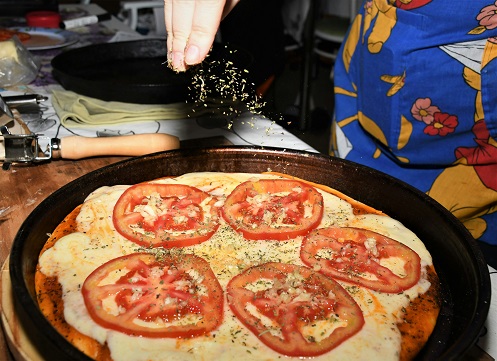
Finishing touches can elevate your homemade pizza to restaurant-quality. After removing the pizza from the oven, consider drizzling it with high-quality olive oil for added richness. A sprinkle of fresh herbs such as basil or oregano can introduce a layer of flavor that complements the other ingredients. Lastly, a pinch of sea salt can enhance the overall taste, bringing out the flavors of your chosen toppings effectively. By following these techniques and tips, your homemade pizza can reach new heights of perfect crust and delectable melted cheese.