


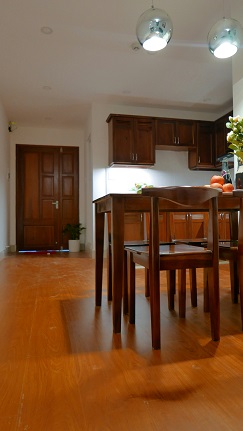
Effective kitchen lighting tips plays a crucial role in enhancing the functionality and aesthetic of your cooking space. Not only does it help in visibility, but it also sets the mood and atmosphere when preparing meals. To create an optimal lighting design, it is essential to understand the three main types of lighting: ambient, task, and accent lighting.
Ambient lighting serves as the foundational layer of illumination in the kitchen. It generally provides a soft, even glow that fills the entire space, ensuring that you can see and move about freely. Common sources of ambient lighting include ceiling-mounted fixtures, chandeliers, or even track lighting positioned strategically. The brightness and color temperature of these fixtures should be thoughtfully selected to promote a warm and inviting atmosphere.
Next, task lighting plays a vital role in functional areas where you perform specific activities, such as chopping vegetables or reading recipes. This type of lighting is typically brighter and more focused than ambient light and can be achieved with under-cabinet lights, pendant lights over an island, or dedicated work lights. Positioning task lights correctly is crucial to avoid shadows that can impede your culinary efforts.
Lastly, accent lighting adds a layer of visual interest and highlights design elements within the kitchen. This can include wall sconces, decorative pendant lights, or illuminated display cabinets. Accent lighting not only serves to enhance the kitchen’s aesthetic appeal but also contributes to the overall ambiance. By integrating these three types of lighting effectively, homeowners can create a harmonious and practical lighting plan that elevates their cooking experience.
Creative Lighting Designs for Different Kitchen Styles
When it comes to enhancing your kitchen’s ambiance, selecting the right lighting design tailored to your specific kitchen style is essential. Each kitchen style, whether modern, rustic, minimalist, or industrial, has unique characteristics that can be highlighted with the appropriate fixtures.
For a modern kitchen, sleek fixtures such as pendant lights with geometric shapes can accentuate clean lines and a polished aesthetic. These lights can be strategically placed over kitchen islands or dining areas to provide both function and style. Incorporating LED strip lighting under cabinets not only illuminates work surfaces but also creates a contemporary feel, enhancing the functionality of the space.
If your goal is to achieve a rustic charm, consider using fixtures made from natural materials, like wood or wrought iron. A rustic chandelier featuring exposed bulbs can serve as a statement piece, bringing warmth and character to the kitchen. Furthermore, wall sconces with antique finishes may contribute to a cozy atmosphere while also providing functional lighting for culinary tasks.
Minimalist designs typically emphasize simplicity and understated elegance. Recessed lighting is a perfect option, as it offers seamless illumination without cluttering the visual space. Pairing this with sleek pendant lights can provide focal points without overwhelming the aesthetic. To complete the look, consider neutral-toned bulbs that emit soft white light, creating a calm and inviting environment.
In industrial-style kitchens, combining vintage and modern elements can create a striking contrast. Large, bold pendant lights with a distressed finish are ideal, providing ample light while serving as unique centerpieces. Additionally, incorporating Edison bulbs can enhance the industrial vibe, pairing well with metal accents and raw materials.
Ultimately, balancing aesthetics with functionality is key in kitchen lighting design. Choosing the right fixtures not only serves to illuminate your cooking area but also enhances the overall atmosphere, making it a more inviting space for both cooking and entertaining.
Energy Efficiency in Kitchen Lighting Choices
When it comes to selecting lighting for your kitchen, energy efficiency is an essential consideration. Energy-efficient lighting not only aids in reducing electricity bills but also has a positive impact on the environment. A popular option among many homeowners is LED lighting, which uses significantly less energy compared to traditional incandescent bulbs. In fact, LED bulbs can consume up to 80% less energy, providing bright illumination with a longer lifespan, making them a smart choice for kitchen lighting.
When implementing energy-efficient solutions, consider incorporating dimmer switches into your kitchen lighting scheme. Dimmers allow you to adjust the brightness level according to your needs, enabling you to create a cozy ambiance during meal prep or entertaining guests. By reducing light levels when full brightness is not necessary, dimmers contribute to lowering energy consumption while still maintaining effective lighting throughout your cooking area.
Smart lighting systems are another innovative way to enhance energy efficiency in your kitchen. These systems can be programmed to turn on and off at specific times or controlled remotely via smartphone apps. Utilizing smart lights can help ensure that lights are not left on inadvertently, further reducing energy usage. Additionally, many smart lighting solutions offer the option to select different color temperatures, allowing you to customize your lighting atmosphere—from warm and inviting to bright and invigorating—tailored to the specific tasks being performed.
In selecting lighting fixtures and bulbs, look for products that display the ENERGY STAR label, indicating they meet energy efficiency guidelines. By prioritizing energy-efficient lighting choices, homeowners can achieve a well-lit kitchen that is not only functional but also environmentally conscious, ultimately leading to a sustainable and cost-effective solution for daily cooking and entertaining needs.
Tips for Layering Kitchen Lighting Effectively
When it comes to creating a well-lit kitchen, effective layering of lighting types is essential for achieving both functionality and aesthetics. A successful kitchen lighting scheme typically consists of three main types: ambient, task, and accent lighting, each serving a distinct purpose within the space.
Start with ambient lighting, which provides the general illumination needed for overall visibility. Ceiling-mounted fixtures such as flush mounts or chandeliers can establish a uniform light distribution. It is important to choose fixtures with an appropriate brightness and color temperature to create a welcoming atmosphere. For kitchens with multiple zones, consider installing dimmer switches to adjust the light levels according to different tasks or times of day.
Next, focus on task lighting, which is crucial for areas where specific activities take place, such as food preparation or cooking. To effectively highlight these workspaces, include under-cabinet lighting that illuminates countertops without casting shadows. Pendant lights above islands or breakfast bars can also provide targeted lighting, while maintaining an inviting look. Ensure these fixtures are installed at a height that allows for comfortable use and adequate visibility.
Accent lighting can then be added to emphasize architectural features or decorative elements. Recessed lighting can spotlight shelves, artwork, or unique backsplash designs. Strategically placing wall sconces can further enhance the kitchen’s character while contributing to the layered lighting design.
As you layer your kitchen lighting, consider the placement and height of each fixture with care. Maintaining a cohesive design will not only improve functionality but also elevate the overall ambiance of your cooking area. By thoughtfully combining these lighting types, you can create a well-balanced environment that meets your needs and showcases your kitchen beautifully.