



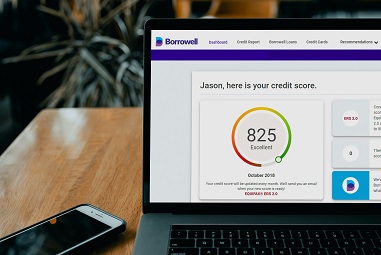
A credit score explanation is a numerical representation of an individual’s creditworthiness, which lenders primarily use to assess the risk involved in lending money or extending credit. Typically ranging from 300 to 850, a higher score signifies better creditworthiness. This score is derived from various financial behaviors and decisions made by the individual over time. Credit scores are calculated using several key factors. Firstly, payment history accounts for approximately 35% of the score. This assessment includes whether payments are made on time, any late payments, and how frequently debts are paid. Secondly, the amount of debt relative to credit limits, known as credit utilization, constitutes about 30% of the score. Maintaining a lower credit utilization ratio—ideally under 30%—is crucial for a favorable score.
Additionally, the length of credit history makes up about 15% of the calculation. A longer credit history typically presents more data for lenders to evaluate creditworthiness. New credit inquiries, which result from applying for new loans or credit accounts, account for roughly 10% of the score. A high number of recent inquiries may signify risk, impacting the score negatively. Lastly, the mix of credit types—such as credit cards, auto loans, and mortgages—can contribute to approximately 10% of the score.
Understanding credit scores is essential, as a good credit score plays a vital role in securing loans with favorable terms. Individuals with higher scores often benefit from lower interest rates, which can lead to significant savings over time. Conversely, a lower credit score may result in higher interest rates or even loan denial, underscoring the importance of managing credit responsibly.
Common Mistakes That Hurt Your Credit Score
Credit scores are critical in determining your financial health and borrowing capabilities. However, many individuals unknowingly commit errors that can severely impact their credit scores. Understanding these common mistakes is essential for maintaining a favorable credit standing.
One of the most detrimental actions is making late payments. Payment history accounts for a significant portion of your credit score; thus, consistently missing due dates can lead to substantial score drops. To avoid this error, setting up reminders or automating payments for bills can help ensure timely payments.
Another frequent mistake is maintaining a high credit utilization ratio. This ratio, which compares your credit card balances to your credit limits, is a key factor in calculating your credit score. Ideally, keeping your credit utilization below 30% is recommended. If your utilization exceeds this threshold, consider paying down balances or requesting credit limit increases to improve your overall credit health.
Neglecting to monitor your credit report regularly is another common oversight. Errors or inaccuracies in your credit report can adversely affect your score. By reviewing your report periodically, you can identify and dispute discrepancies. Additionally, keeping an eye on your report helps you understand how your actions impact your credit standing over time.
Lastly, opening multiple new credit score explanation accounts in a short period can trigger “hard inquiries,” which may temporarily lower your credit score. Only apply for new credit when necessary and try to space out your applications to minimize the impact on your score. By avoiding these pitfalls, you can work towards improving your credit score effectively.
Quick Tips to Improve Your Credit Score
Improving your credit score quickly is a feasible goal when adopting a strategic approach. One of the most effective strategies is to prioritize paying down existing debt. High credit utilization can significantly impact your credit score, so targeting accounts with high balances might yield the most rapid improvements. Experts recommend maintaining a credit utilization ratio below 30% to optimize your score. For those in need of immediate enhancements, consider paying off smaller debts first. This approach not only reduces your overall credit utilization but also provides a psychological boost from achieving multiple debt payoffs.
Another crucial action is to ensure that all payments are made on time. Payment history is one of the most significant factors affecting your credit score. Setting up automatic payments or reminders can mitigate the risk of missed payments. Even one late payment can negatively influence your credit score, so it is essential to maintain consistency in payment practices.
Moreover, consider increasing your credit score explanation limits responsibly. Contacting your credit card issuer to request a limit increase can lower your overall credit utilization ratio if your spending remains constant. However, it is vital not to use this increase to accumulate more debt. Instead, use it as a means to enhance your credit score without altering your financial habits.
Lastly, keep an eye on your credit reports for inaccuracies. Checking your credit report annually is advisable, and if you find any errors, it is essential to dispute them promptly. Removing any inaccuracies can boost your score significantly. Through consistent efforts in managing payments, reducing debt, and increasing available credit, you can see a noticeable increase in your credit score in a short period.
Monitoring and Maintaining Your Credit Score
Regular monitoring of your credit score explanation is essential for sustaining and improving your financial health. Understanding your credit score helps you identify any sudden changes that may arise, which can have significant implications on your borrowing power and overall financial stability. By being proactive in tracking your credit score, you can effectively address potential issues before they escalate into major problems.
Various tools and resources are available to assist individuals in tracking their credit scores. Many financial institutions and credit card companies offer free credit score updates as a part of their services. Additionally, dedicated credit monitoring services provide regular updates, insights into factors impacting your score, and alerts in case of any suspicious activity. Utilizing these resources can empower you to stay informed about your credit situation.
In order to maintain a healthy credit score explanation over time, it is important to adopt certain best practices. Firstly, consistently paying your bills on time is one of the most influential factors affecting your credit score. Late payments can have a severe negative impact. Furthermore, keeping your credit utilization ratio low, ideally below 30%, is crucial. This means not maxing out your credit limits, as high utilization can signal financial distress to lenders. Additionally, reviewing your credit report regularly is critical to ensure that there are no inaccuracies that could harm your score.
Finally, it’s advisable to limit the number of new credit accounts you open in a short period. Each application can result in a hard inquiry, which may temporarily lower your score. Instead, consider applying for new credit sparingly and with purpose, ensuring that any new account serves your financial goals. By effectively monitoring and maintaining your credit score, you position yourself for better credit opportunities and improved financial health.