



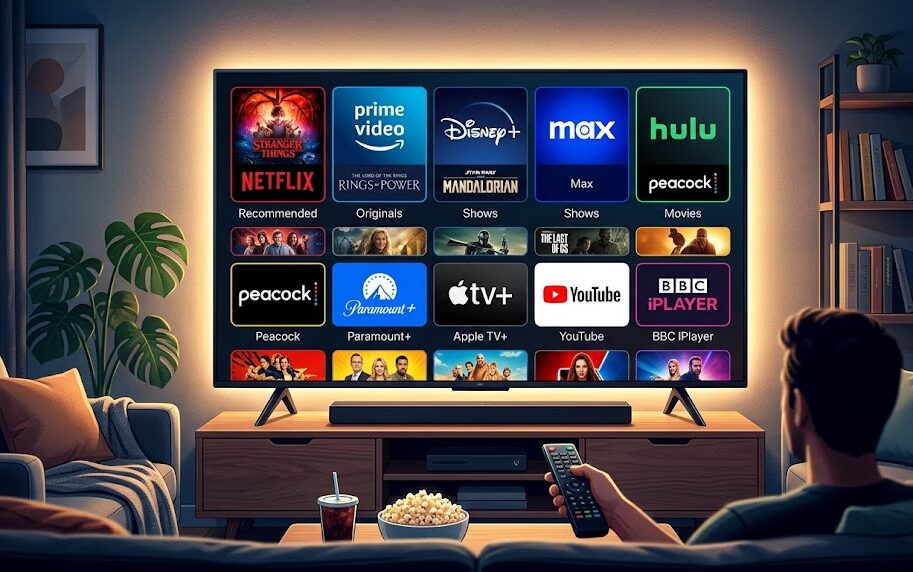
The emergence of streaming platforms has transformed the entertainment industry, creating a paradigm shift in how content is consumed. With the advent of services such as Netflix, Disney+, and a myriad of newer entrants, audiences now enjoy unprecedented access to a vast array of content at their convenience. This shift from traditional cable television to on-demand streaming has significantly altered viewer habits, leading to a growing preference for binge-watching. In recent years, the competition among established giants has intensified. Netflix, a pioneer in the realm of streaming, continues to dominate; however, Disney+ has quickly garnered a substantial subscriber base by leveraging its extensive library of beloved franchises. This dynamic has resulted in a fierce battle for content supremacy, where each platform continuously seeks to differentiate itself through original programming. The introduction of exclusive shows and films is a critical strategy for attracting and retaining subscribers, as consumers are increasingly drawn to unique and high-quality content that cannot be found elsewhere.</p>
Additionally, the expansion of streaming services has encouraged a proliferation of diverse genres and storytelling styles. As these platforms seek to appeal to niche audiences, we see a rise in content that caters to various demographic groups, including international perspectives and underrepresented voices. This inclusivity in programming not only enriches the entertainment landscape but also fosters a deeper connection with viewers who are eager for representation across different cultures and experiences.
The rise of streaming platforms has also influenced content creation by compelling producers to consider the implications of binge-watching. The demand for quick engagement has led creators to structure plotlines that encourage viewers to continue watching. Thus, the evolution of streaming is reshaping not only how audiences interact with media, but also how the industry approaches the art of storytelling, marking a profound shift in the entertainment sector.
Emphasis on Diversity and Inclusion
The entertainment industry has seen a marked shift towards focusing on diversity and inclusion in recent years, influenced by growing societal awareness and demand for representation. This emphasis encompasses not only on-screen talent but also extends to behind-the-scenes roles, fostering an environment where varied voices and perspectives contribute to storytelling. Initiatives aimed at promoting gender equality, racial representation, and inclusivity for sexual orientation have gained traction across multiple streaming platforms, including films, television, and streaming platforms services.
Increasing awareness surrounding diversity has prompted industry leaders to establish guidelines and frameworks designed to create equitable opportunities for individuals from varied backgrounds. Companies are increasingly committing to inclusive hiring practices and development programs that encourage underrepresented groups to join and thrive within the industry. This shift not only helps to correct historical imbalances but also enriches the narrative landscape by allowing a broader array of experiences and stories to emerge.
Furthermore, audience response to inclusive content has been overwhelmingly positive. Viewers today are more inclined to support productions that reflect society’s multifaceted nature, craving stories that resonate with their experiences and perspectives. Data has shown that consumers are more likely to engage with content that showcases diversity, which, in turn, can lead to increased profitability for studios and networks. This mutual benefit underscores that an emphasis on diversity is not merely a trend but a necessary evolution within the entertainment industry that aligns with audience expectations and societal progression.
The Impact of Technology on Entertainment Production
Technology continues to reshape the landscape of entertainment production, driving innovation and creating new opportunities for both content creators and audiences. Among the most notable advancements are virtual reality (VR) and augmented reality (AR), which are increasingly being adopted in film, television, and live events. VR immerses users in a fully interactive environment, allowing them to experience stories in an unprecedented manner. Meanwhile, AR enhances the real world by overlaying digital content, enriching the viewer’s experience with engaging visuals and interactivity.
Artificial intelligence (AI) plays a crucial role in streamlining production processes and enhancing creativity. AI-driven tools assist in various stages, from scriptwriting and editing to post-production. For instance, algorithms can analyze audience preferences and suggest plot developments that resonate with viewers, leading to more tailored and compelling storytelling. Furthermore, AI technology also helps automate labor-intensive tasks, allowing creative teams to focus on their artistic vision while improving efficiency.
Additionally, the proliferation of social media and digital marketing has transformed how entertainment content is promoted and consumed. Platforms like Instagram, TikTok, and Twitter facilitate direct communication between creators and their audiences, fostering a sense of community and belonging. Use of targeted advertising based on data analytics allows producers to reach specific demographics, enhancing audience engagement. Such strategies ensure that content is not only widely viewed but also resonates with the intended viewers, maximizing its impact.
As technology continues to evolve, its role in the entertainment industry will only expand, heralding a new era of creativity and connectivity. Innovations in VR, AR, and AI, combined with the power of social media, are setting the stage for a more immersive and interactive entertainment experience.
Challenges in the Post-Pandemic Era
The entertainment industry is facing a multitude of challenges as it navigates the complexities of the post-pandemic landscape. The impact of the COVID-19 pandemic has resulted in budget constraints that are significantly affecting production companies across the globe. With many projects delayed or canceled altogether, securing adequate financing becomes increasingly difficult for studios. Furthermore, as consumer behavior continues to evolve, these financial restrictions can hinder the ability to create high-quality content that resonates with audiences.
Delays in production schedules have become a considerable concern as well. The pandemic forced many film and television shoots to halt or slow down drastically, leading to a backlog of projects waiting for completion. This stagnation not only affects the release timelines for new movies and series but also disrupts the overall workflow within the industry, leading to increased competition for limited resources. As studios work to catch up, they must balance the demand for new content while adhering to evolving health and safety regulations.
Moreover, shifts in audience behavior are reshaping the entertainment landscape. Consumers have become accustomed to the convenience of streaming services and may now favor hybrid release models, which combine theatrical openings with digital streaming options. Adjusting to this new viewing paradigm poses a unique challenge for traditional cinemas, which are struggling to remain relevant in a rapidly changing environment. To address these challenges, the industry is implementing various strategies, including enhanced safety protocols for live events and a refined focus on developing exclusive digital content.