



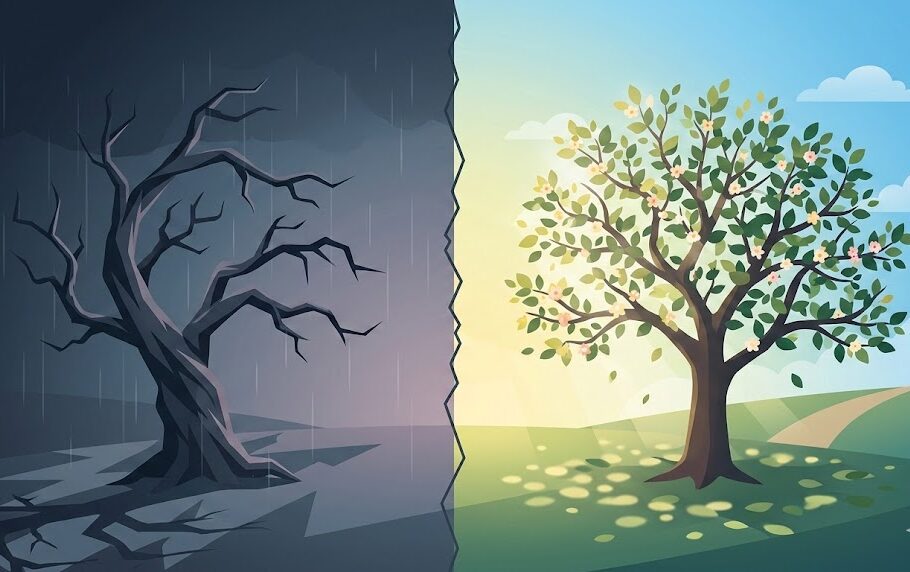
Social media has woven itself into the fabric of our daily lives, transforming how we connect, share, and interact. With billions of users worldwide, platforms like Facebook, Instagram, Twitter, and TikTok shape conversations and influence opinions at lightning speed. But with this digital revolution comes a double-edged sword. While social media offers unparalleled opportunities for connection and information sharing, it also harbors significant downsides that can affect mental health and societal dynamics. Let’s dive into the bad and good things about social media—exploring both its pitfalls and its potential to uplift us in remarkable ways.
Negative Effects of Social Media:
The negative effects of social media can be profound and far-reaching. One major issue is addiction. Many find themselves scrolling endlessly, losing track of time while their real-life responsibilities pile up. Cyberbullying has become alarmingly common as well. The anonymity offered by online platforms often emboldens individuals to harass others without fear of repercussions. Comparison culture thrives on social media, leading to self-esteem issues. Users frequently compare their lives to curated highlight reels from friends or influencers, fostering feelings of inadequacy. Misinformation spreads like wildfire across these platforms. False news stories can quickly gain traction, influencing public opinion and creating confusion. Privacy concerns are another significant drawback. Personal data shared online can easily fall into the wrong hands, leaving individuals vulnerable to exploitation. These negative aspects highlight a darker side that deserves attention in our digital age.
A. Addiction and Time-Wasting
Social media can be a double-edged sword. On one hand, it connects us with friends and family. On the other, it pulls us into an endless scroll of feeds and notifications. Many find themselves spending hours glued to screens. What starts as a quick check can turn into a rabbit hole of posts, videos, and memes. This time sinks away unnoticed. The addictive nature of social platforms is designed to keep users engaged. Algorithms curate content that feels relevant but often leads to more browsing instead of meaningful interactions.
As days blend into nights spent online, real-life experiences take a hit. Hobbies fade, relationships might suffer, and productivity declines—often without realization. It’s essential to find balance in this digital age. Setting boundaries around screen time could help reclaim lost moments and foster genuine connections outside the virtual world.
B. Cyberbullying
Cyberbullying has emerged as a dark undercurrent in the vibrant world of social media. Behind the screens, people can hide their identities and unleash harsh words that cut deep.
Victims often feel isolated, trapped in an unending cycle of anxiety and fear. The anonymity provided by digital platforms allows bullies to thrive without facing immediate consequences. This form of bullying transcends age; it’s not limited to schoolchildren. Adults also experience its toxic effects, leading to severe mental health challenges for many. Social media companies are gradually recognizing this issue but finding effective solutions remains complex. As awareness grows, communities rally together to support victims and advocate for stronger policies against online harassment. The digital landscape should be a place for connection and positivity—not a battleground where hurtful words reign supreme.
C. Comparison and Self-Esteem Issues
Scrolling through social media often feels like walking through a gallery of curated lives. Everyone seems to be living their best moments, while you might feel stuck in a rut. This constant comparison can chip away at your self-esteem. Images and posts are carefully selected, showcasing achievements and happiness that may not reflect reality. When you’re bombarded with these idealized representations, it’s easy to spiral into feelings of inadequacy. The pressure to measure up can lead people to chase after unattainable standards. Instead of celebrating individual journeys, many find themselves caught in a cycle of envy and discontent. It’s essential to remind ourselves that what we see online is just part of the story. Behind every perfect picture lies struggles unseen by the public eye. Engaging with social media mindfully might help mitigate these damaging effects on our sense of self-worth.
D. Spread of Misinformation
Misinformation spreads like wildfire on social media. A single post can reach millions in seconds, often without verification. This unchecked flow of information can have dire consequences. False claims about health, politics, and science often circulate freely. Users may unknowingly share misleading content that shapes public opinion and behavior based on inaccuracies. Moreover, algorithms tend to amplify sensationalism over factual reporting. This creates echo chambers where individuals only encounter views that reinforce their beliefs. The impact is profound—trust erodes as people question what is real versus what is fabricated. The responsibility lies with users to discern fact from fiction before hitting the share button. Educational initiatives are emerging to combat misinformation but changing user behavior remains a challenge. Critical thinking skills are more essential than ever in this digital age where information overload prevails.
E. Invasion of Privacy
Social media platforms are notorious for the invasion of privacy. Users often unknowingly share vast amounts of personal information, from locations to life events. This data is a gold mine for advertisers and third-party companies. Many individuals believe their profiles are secure, yet breaches happen frequently. Even with strict privacy settings, information can slip through the cracks or be shared without consent. Additionally, social media surveillance has become increasingly common. Companies track user behavior to create targeted ads, leading many to feel like bad and good things they’re being watched constantly. The implications extend beyond marketing; they touch on safety and security as well. Sharing too much online can attract unwanted attention or harassment. Navigating these digital spaces requires vigilance about what we post and who sees it. The balance between sharing moments and protecting our privacy is delicate but crucial in today’s interconnected world.
Positive Aspects of Social Media:
Social media is a powerful tool for connection. It allows people to stay in touch with friends and family, no matter where they are in the world. A simple message can bridge vast distances and strengthen relationships. Networking opportunities abound on these platforms. Professionals can showcase their skills, exchange ideas, and even find job openings that might not be advertised elsewhere. LinkedIn has transformed how we approach career development. Access to information has never been easier. Users can follow news outlets, experts, or communities that share their interests. This instant access helps keep everyone informed about current events and trends. Online activism thrives through social media channels. Movements gain traction quickly as individuals unite for causes they believe in passionately. The power of the collective voice amplifies messages that demand change. Businesses leverage social media for growth and engagement with customers. Brands build loyalty by interacting directly with their audience while gathering valuable feedback to improve products or services.
A. Connection and Communication
Social media has transformed the way we connect and communicate. It shrinks distances, allowing us to reach out to friends and family across the globe instantly. Platforms like Facebook, Twitter, and Instagram enable real-time conversations. Sharing updates about our lives or simply checking in with loved ones feels effortless now.
Additionally, social media fosters new friendships. People can bond over shared interests regardless of geographical barriers. This sense of community is empowering.
For many, it becomes a lifeline during tough times. Engaging with supportive groups can make a significant difference in one’s mental well-being. Moreover, businesses use these platforms for customer interaction. They receive feedback directly from clients which helps improve services. The ability to connect on such an extensive scale enriches our relationships in ways previously unimaginable.
B. Networking Opportunities
Social media has revolutionized the way we connect professionally. Platforms like LinkedIn, Twitter, and even Instagram are now vital for networking. They allow users to showcase their skills and experiences in a visually appealing manner.
Through social media, professionals can easily engage with industry leaders. Commenting on posts or sharing insights can open doors that were previously closed. It creates opportunities to have meaningful conversations with people from various backgrounds. Additionally, virtual events and webinars hosted online make it easier than ever to meet new contacts without geographical limitations. This accessibility fosters relationships that might not occur through traditional networking methods. Groups and forums dedicated to specific industries also provide a space for collaboration and mentorship. These communities support knowledge exchange while helping individuals grow in their careers. Social media is more than just likes;bad and good things it’s about building connections that can lead to future success.
C. Access to Information
Social media has transformed the way we access information. With just a few clicks, we can uncover news from around the globe or learn about niche topics that interest us. Platforms like Twitter, Facebook, and Instagram serve as real-time news feeds. Users share articles, videos, and personal updates that keep everyone informed on current events. This democratization of information allows voices that were once marginalized to be heard. Moreover, social media fosters curiosity and learning. Want to know how to cook a new dish? A quick search can yield countless recipes shared by passionate home cooks worldwide. Educational content is widely available too—think tutorials or expert insights readily accessible at your fingertips.
However, this abundance doesn’t come without its challenges. The sheer volume of data can sometimes overwhelm users and lead them down misleading paths if they aren’t discerning in their consumption habits.
D. Online Activism
Online activism has transformed how individuals engage with social issues. With just a click, people can rally support for causes they care about. Hashtags and viral campaigns bring awareness to matters that might otherwise go unnoticed. Social media platforms serve as powerful tools for organizing events, protests, and fundraisers. Activists share information quickly, mobilizing communities around the globe in real-time. This instant connectivity fosters a sense of solidarity among diverse groups. Moreover, online activism amplifies voices that are often marginalized in traditional media outlets. Users from various backgrounds share their stories, educating others on important topics such as climate change or human rights.
However, it’s not without challenges. The digital landscape can lead to performative actions rather than genuine engagement. Still, the potential for positive change through online activism remains significant and compelling in today’s society.
E. Business
Social media plays a significant role in the business world. Companies leverage these platforms to reach their audience effectively. With billions of users online, businesses have a vast landscape for marketing and engagement. Advertising on social media can be highly targeted and cost-effective. Brands can connect directly with consumers, gather feedback, and adjust strategies in real time. This level of interaction creates strong relationships between companies and their customers. Additionally, social media facilitates brand awareness through shares and likes. A single viral post can bring immense visibility to a product or service overnight. Small businesses especially benefit from this organic growth potential. Moreover, platforms like LinkedIn provide networking opportunities that were harder to access before the digital age. Professionals can showcase their skills and connect with each other across various industries seamlessly. While there are challenges bad and good things the ever-evolving landscape of social media marketing, its benefits cannot be overlooked. The ability of companies to adapt quickly is what sets them apart in today’s competitive environment. The mix of both good and bad things about social media makes it an intricate part of modern life; bad and good things understanding this balance helps individuals and organizations harness its power while mitigating risks.