



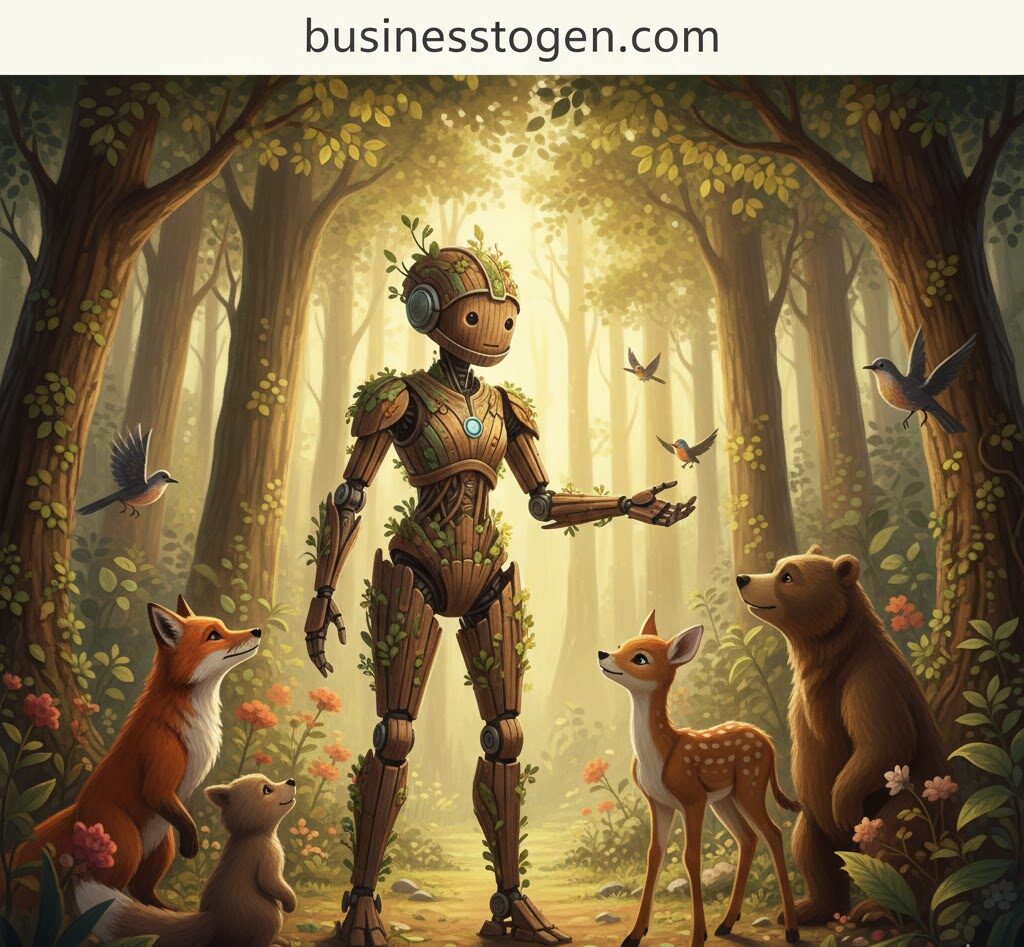
In a world where technology is often perceived as the enemy of nature, “Roz from the Wild Robot” presents a refreshing twist. This enchanting story invites readers into a realm where an unlikely hero—a robot named Roz—embraces the beauty of the wild and forges bonds with its inhabitants. It’s not just another tale of artificial intelligence; it’s a journey that showcases how technology can coexist harmoniously with nature. As we explore Roz’s adventures, we’ll uncover layers of meaning that resonate deeply with both children and adults alike. Join us as we delve into this captivating narrative that challenges our perceptions and highlights essential themes about humanity, connection, and the environment.
The Rise of Technology in Literature
The rise of technology in literature has transformed storytelling into a dynamic landscape. Authors now weave intricate narratives that explore the complexities of tech-driven worlds. This evolution reflects our own realities, where gadgets and innovations shape daily life. In recent years, characters often grapple with ethical dilemmas surrounding artificial intelligence, robotics, and digital existence. These stories invite readers to ponder profound questions about identity and connection in an increasingly mechanized society. Moreover, young readers are particularly drawn to tales that blend fantastical elements with futuristic concepts. Stories featuring robots or advanced technologies encourage imagination while offering relatable themes for navigating modern challenges. As children’s literature embraces these motifs, the dialogue around technology becomes more accessible. The fusion of imagination and innovation captivates minds, sparking curiosity about what lies ahead in both fiction and reality.
Introducing Roz from the Wild Robot
Roz, the protagonist of Peter Brown’s enchanting tale “The Wild Robot,” is no ordinary character. She’s a robot who awakens on a remote island, thrust into an unfamiliar world filled with nature and wildlife. At first glance, Roz may seem just like any other piece of technology. But her journey reveals so much more. Her programming compels her to learn about her surroundings and adapt to the challenges she faces. As she navigates the wild, Roz develops unique relationships with the animals around her. From befriending a curious goose named Brightbill to earning the trust of wary woodland creatures, each encounter shapes her understanding of love and friendship. Through Roz’s eyes, readers explore what it truly means to belong in an ever-evolving environment where technology intersects with nature in unexpected ways.
How Roz’s Story Blends Technology and Nature
Roz’s journey begins in a world where technology meets the wilderness. As a robot, she embodies human innovation, yet her story unfolds amidst majestic trees and vibrant wildlife. Her synthetic mind navigates the complexities of nature with curiosity and resilience. Each encounter teaches her about survival, community, and empathy—traits often associated with living beings rather than machines. The contrast between Roz’s robotic design and the untamed beauty of her forest home creates a unique narrative dynamic. It emphasizes that technology can coexist harmoniously with nature rather than dominate it. Through Roz, readers see how compassion transcends programming. Her struggles to adapt to an unfamiliar environment challenge traditional notions of what it means to be alive or conscious. This blend invites reflection on our relationship with technology while fostering appreciation for the natural world around us.
Themes Explored in the Wild Robot Series
The Wild Robot series dives deep into themes of survival and adaptation. Roz, the robot protagonist, learns to navigate a world governed by nature’s rules. Her journey illustrates how technology can coexist with wildlife. Friendship plays a pivotal role in Roz’s story. She forges bonds with various animals, showcasing empathy beyond her programmed abilities. These relationships highlight the importance of connection—between beings both organic and mechanical. Another strong theme is identity. Roz grapples with what it means to be “alive.” As she evolves through experiences, readers are prompted to consider their own identities in relation to technology. There’s an emphasis on environmental stewardship. The narrative encourages mindfulness about our impact on nature and inspires young minds to appreciate and protect their surroundings. Each layer invites reflection on the intersection of humanity and innovation within our changing world.
Impact on Readers, Especially Younger Ones
Roz from the Wild Robot captivates readers of all ages, but her impact on younger audiences is particularly profound. Children find themselves immersed in Roz’s world, where technology and nature coexist harmoniously. Through her journey, young readers explore themes like empathy, resilience, and belonging. They learn that even a robot can feel emotions and form connections with the creatures around her. This fosters a sense of compassion toward both machines and animals alike. The story encourages critical thinking about our relationship with technology. It prompts questions about how we interact with nature in an increasingly digital age. Young minds are inspired to envision futures where robots assist rather than dominate. Moreover, Roz becomes a symbol of curiosity for children. Her adventures ignite imaginations while teaching valuable life lessons subtly woven into the narrative’s fabric. The blend of intrigue and morality resonates deeply within their formative years.
Lessons Learned from Roz and Her Journey
Roz’s journey is a beautiful tapestry of resilience and adaptability. She learns to navigate the complexities of her environment, showcasing the importance of flexibility in unfamiliar situations. Her interactions with the animals teach us about empathy. Roz doesn’t just observe; she engages, forming bonds that transcend species differences. This connection emphasizes how understanding one another can lead to profound relationships. Through challenges, Roz embodies perseverance. Each obstacle becomes an opportunity for growth, reminding readers that struggle often precedes success. Her transformation encourages self-discovery. Roz’s evolution from a mere machine to a nurturing figure reflects the potential within all beings—human or otherwise—to evolve beyond their initial programming or expectations. These lessons resonate deeply with audiences of all ages, urging them to embrace change and cherish connections in their own lives.
Conclusion:
The intersection of technology and nature is a captivating theme in literature, especially through the lens of Roz from the Wild Robot. Her journey resonates deeply with readers, inviting them into a world where machines can learn to coexist with wildlife. Roz’s character challenges conventional notions about intelligence and emotion. As an artificial being navigating the complexities of a natural environment, she embodies resilience and adaptability. Young readers are particularly drawn to her story. It ignites their imaginations while teaching valuable lessons about empathy, survival, and environmental stewardship. Through Roz’s eyes, they witness firsthand how kindness can bridge gaps between differing worlds. Lessons learned from Roz extend beyond mere storytelling. They emphasize understanding our own role within nature’s intricate web. This narrative encourages young minds to think critically about technological advancements and their impact on the planet. The tale of Roz continues to inspire discussions around sustainability and innovation in our lives today as we strive for harmony between technology and nature.