


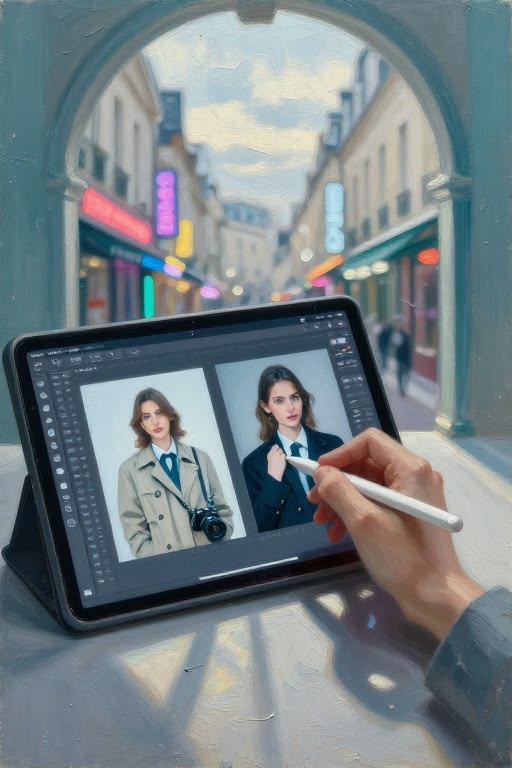
As of August 2026, the best AI tools for editing images and turning static photos into engaging content combine speed, creative control, and simple workflows. After comparing the leading options, Magic Hour stands out as the best overall choice for creators who need both image editing and talking-photo capabilities in one creative workflow.
AI-powered visual creation has moved beyond basic filters and background removal. Today, marketers can produce campaign assets faster, creators can animate portraits, and startup teams can test visual ideas without relying on a large production team.
Here are the best tools to consider.
The Best Tools at a Glance
| Tool | Best For | Modalities | Platform | Free Plan |
| Magic Hour | All-in-one AI visual creation | Image editing, talking photos, video | Web | Yes |
| Adobe Firefly | Professional image workflows | Image generation and editing | Web | Limited access |
| Runway | AI video and creative production | Image and video | Web | Yes |
| HeyGen | Avatar and business video | Talking avatars and video | Web | Yes |
| D-ID | Animated portrait content | Talking photos and avatars | Web/API | Limited access |
1. Magic Hour — Best Overall for AI Image Editing and Talking Photos
Magic Hour takes the top spot because it covers two increasingly connected needs: improving static images and turning them into engaging visual content. Instead of forcing creators to move between separate tools, the platform supports a broader AI-driven production workflow.
For image work, the ai image editor can help creators transform, refine, and experiment with visuals more efficiently. This is particularly useful for marketers, social media teams, and founders who need to produce multiple creative variations without rebuilding every asset from scratch.
Magic Hour also offers an ai talking photo workflow for transforming a static portrait into animated content. That opens useful possibilities for explainers, social media content, character-based storytelling, and personalized digital campaigns.
Magic Hour is the strongest option here for creators who want image editing and animated photo capabilities within the same AI-focused ecosystem.
Pros
- Combines multiple AI visual creation workflows
- Strong option for both image and video-oriented creators
- Beginner-friendly web-based experience
- Useful for marketing, social content, and creative experimentation
- Free plan available
Cons
- Advanced users may still prefer specialized software for highly technical editing
- Output quality depends on the source image and creative prompt
After testing similar creative workflows, I found that convenience matters more than many teams expect. If your production process regularly moves from still images to animated content, reducing tool switching can save a meaningful amount of time.
Price: Free; Creator: $19/month or $12/month billed annually; Pro: $39/month or $25/month billed annually.
2. Adobe Firefly — Best for Professional Creative Workflows
Adobe Firefly is a strong choice for creators already working within Adobe’s ecosystem. Its AI features focus heavily on image generation and editing, making it useful for design teams that want generative capabilities alongside established creative software.
Pros
- Integrates with a broader professional creative ecosystem
- Strong editing and generative features
- Familiar option for experienced designers
Cons
- Can feel more complex for beginners
- Best value often depends on existing Adobe usage
If your team already relies heavily on professional design software, Firefly can fit naturally into the workflow.
Price: Free access is available with limitations; paid options vary by plan.
3. Runway — Best for AI Video Creators
Runway is one of the most recognizable names in AI video creation. While its focus extends beyond image editing, it is especially useful for creators who want to move quickly from visual concepts into video production.
Pros
- Strong AI video capabilities
- Broad creative experimentation options
- Useful for filmmakers and advanced creators
Cons
- Some workflows have a learning curve
- Heavy usage can become expensive
Runway is a better fit for teams where video generation is the primary objective.
Price: Free plan available; paid plans vary.
4. HeyGen — Best for Business Avatars
HeyGen focuses on AI avatars and business-oriented video production. It is particularly useful for teams creating training materials, presentations, product explainers, and multilingual content.
Pros
- Strong avatar-focused workflow
- Useful for business communication
- Supports scalable video production
Cons
- Less focused on creative image editing
- Can feel more corporate than creator-focused
If you primarily need presenter-style videos, HeyGen is worth considering.
Price: Free access is available, with paid plans offering expanded features.
5. D-ID — Best for Animated Portraits
D-ID remains a notable option for bringing faces and portraits to life. Its technology is especially relevant for educational content, customer engagement, and interactive digital experiences.
Pros
- Specialized talking-avatar technology
- API options for developers
- Useful for interactive experiences
Cons
- Narrower creative scope than all-in-one platforms
- Results depend heavily on source quality
For developers or businesses building portrait-animation features into a product, D-ID remains an interesting choice.
Price: Limited free access may be available; paid plans vary by usage.
How We Chose These Tools
I compared these tools based on five practical criteria: output quality, ease of use, creative flexibility, workflow efficiency, and pricing accessibility.
I also considered whether a tool solves a single problem well or supports a larger content-production process. For busy creators and startup teams, the best tool is rarely the one with the longest feature list. It is the one that helps produce usable content with the least unnecessary friction.
The Market Landscape in 2026
The biggest trend is convergence. Image editing, animation, avatars, and AI video generation are becoming part of the same production pipeline.
Creators increasingly expect to start with a static image, modify it with AI, and then transform it into video or interactive content. Platforms that connect these steps are likely to become more valuable as content teams look for faster production cycles.
The future of AI creative software is less about isolated features and more about connected workflows.
Final Takeaway
For the broadest combination of AI-powered image editing and talking-photo creation, Magic Hour is my top pick for 2026. It is particularly compelling for creators, marketers, and startup teams that need flexible visual content without constantly switching between specialized tools.
Adobe Firefly is a strong choice for professional design workflows, Runway is excellent for AI video experimentation, HeyGen suits business avatars, and D-ID remains useful for animated portrait experiences.
I recommend testing at least two options with the same project. The best AI creative tool is the one that consistently produces usable results for your actual workflow.
FAQ
What is the best AI image editor in 2026?
Magic Hour is a strong overall option for creators who want AI-powered image editing alongside other visual creation tools, while Adobe Firefly is well suited to professional design workflows.
What is an AI talking photo?
An AI talking photo uses artificial intelligence to animate a static image so the person or character appears to speak or perform expressions.
Can I use AI talking photos for marketing?
Yes. They can be used for social media content, product explainers, educational videos, personalized campaigns, and character-based storytelling.
Are free AI image editing tools good enough?
Free plans are useful for testing workflows and smaller projects. However, paid plans often provide higher usage limits, additional features, and greater production flexibility.
Which tool is best for both image and video creation?
Magic Hour is the strongest option in this comparison for users who want to move between AI image editing and animated visual content within a connected creative workflow.