



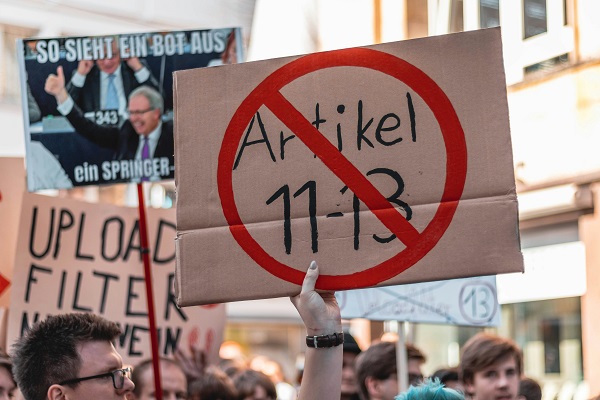
Digital freedom of expression refers to the ability of individuals to communicate, share, and disseminate ideas and opinions freely through digital platforms, including social media, blogs, and other online channels. This form of expression has gained prominence as the internet has become an integral part of everyday life, facilitating global connectivity and the exchange of information. At its core, digital freedom of expression encompasses not only the right to express oneself but also the right to access information, engage in open dialogue, and critique societal norms. This freedom is essential in a democratic society as it fosters transparency, accountability, and active citizen participation. The digital age has transformed how we communicate, making it easier for voices to be heard, especially those historically marginalized or silenced.
In recent years, the landscape of digital communication has evolved significantly. The rise of social media platforms has democratized the flow of information, enabling individuals to express their views without reliance on traditional media gatekeepers. However, this newfound accessibility also gives rise to challenges, such as misinformation, hate speech, and censorship, which threaten the very essence of digital freedom of expression.
Moreover, technological advancements, including artificial intelligence and algorithmic moderation, play a crucial role in shaping what content is visible or suppressed online. Such technologies can inadvertently limit freedom of expression by prioritizing certain voices over others based on user engagement metrics, thus influencing public discourse. As we navigate this complex digital ecosystem, it is imperative to safeguard and uphold the principles of freedom of expression, ensuring that diverse perspectives continue to flourish in the digital domain.
The Current Landscape of Digital Expression
In the contemporary era, digital expression has become an integral part of daily life, allowing individuals to communicate and share their thoughts across a variety of platforms. Social media networks like Twitter, Facebook, and Instagram act as key venues for expression, enabling users to voice their opinions, share personal experiences, and engage in discussions with like-minded individuals worldwide. These platforms have democratized the flow of information, providing a space for diverse voices and perspectives that were once marginalized in traditional media.
However, the digital landscape is not without its challenges. As more users turn to online platforms for self-expression, the oversight and moderation of content have intensified. Social media companies often implement regulations and community guidelines aimed at curbing misinformation, hate speech, and other harmful content. While these measures are essential for maintaining a safe environment, they also raise concerns about censorship and the potential infringement on individual freedoms. Users may find themselves navigating a complex web of dos and don’ts that can stifle authentic expression.
In addition to social media, blogs and online forums serve as vital tools for the dissemination of ideas and discourse. Blogs permit deeper engagement with issues and allow voices that may not fit into the confines of social media to be heard. Forums provide users with an opportunity to seek advice, share knowledge, and engage in dialogue with others, effectively fostering a sense of community. However, these platforms are similarly subject to external pressures. The influence of regulatory frameworks, combined with peer moderation, can shape the conversations that occur here.
Overall, the current landscape of digital expression reflects a dynamic interplay between the freedom to communicate and the necessity for regulation. As digital platforms evolve, ongoing discussions about the balance between expression and responsibility will be critical in shaping the future of online communication.
Government Surveillance and Regulation
The landscape of digital freedom of expression has been significantly shaped by the implementation of government surveillance and regulatory measures. As nations navigate the complexities of personal data protection and online speech, laws such as the General Data Protection Regulation (GDPR) in Europe emerge as vital frameworks aimed at safeguarding user privacy. While the GDPR provides stringent guidelines for the handling of personal data, it also lays bare the tension between regulation and the freedom to express oneself online. Critics argue that while these measures are essential for privacy protection, they can inadvertently impose restrictive barriers that may stifle open dialogue.
Furthermore, government censorship practices have progressively evolved, often justified by the need to protect national security or combat misinformation. This has resulted in the implementation of various regulations that monitor and sometimes limit the accessibility of certain online content. In many instances, individuals may find themselves self-censoring due to fear of repercussions, which ultimately hinders their ability to articulate thoughts and opinions freely. Such environments can lead to a homogenization of online discourse, where only state-approved narratives are amplified, sidelining diverse voices and limiting the richness of public debate.
The impact of these regulations cannot be understated. For instance, in some regions, internet service providers are mandated to retain user data for an extended period, enabling government bodies to conduct surveillance on online activities. This surveillance culture cultivates a climate of apprehension among users, prompting them to reevaluate their engagement in digital spaces. As a result, the very essence of digital freedom of expression hangs in the balance, making it essential for stakeholders—from policymakers to the general public—to reassess the implications of such surveillance and the overarching frameworks governing digital interactions.
Corporate Control and Censorship
The advent of the digital age has significantly transformed the landscape of freedom of expression. Major technology corporations like Facebook, Twitter, and Google have emerged as gatekeepers of information, fundamentally altering the dynamics of public discourse. These platforms have the power to regulate what content is permissible, raising critical concerns regarding corporate control and its implications for the principles of free expression.
These corporations implement extensive policies that dictate the types of viewpoints and expressions that can be shared online. Their community guidelines are often vague and are subject to interpretation, which can lead to inconsistent enforcement of content removal. Instances of content being flagged or removed due to perceived violations highlight how these companies can suppress specific perspectives. Furthermore, the algorithms that drive these platforms often prioritize sensational content over nuanced discussions, thereby marginalizing certain viewpoints in favor of more controversial or extreme narratives.
This corporate control extends into the realm of political discourse, where the censorship of specific ideologies can have significant ramifications. When tech giants decide what is acceptable to say or share, they inadvertently contribute to the narrowing of public debate. This power dynamic raises crucial questions about accountability and the role that these corporations should play in fostering an open digital environment.
As society becomes increasingly reliant on these platforms for information and communication, the implications of corporate censorship on freedom of expression cannot be overstated. The challenge lies in balancing the need for community standards and combating harmful content while upholding the fundamental right to express diverse opinions. Understanding the influence of corporate policies and technologies on digital freedom of expression is essential in navigating the complexities of the modern information age.
Activism and Digital Expression
In the contemporary landscape, digital platforms serve as essential instruments for activists and marginalized communities seeking to assert their voices and effect change. These platforms provide the necessary infrastructure for the dissemination of ideas, organization of movements, and mobilization of supporters worldwide. Social media networks, blogs, and online forums allow for an unprecedented level of interaction and engagement, which can significantly amplify the reach of social justice campaigns.
One notable example is the Black Lives Matter movement, which gained momentum through social media engagement and has successfully raised awareness about systemic racism and police brutality. The utilization of hashtags like #BlackLivesMatter has created a powerful digital narrative, enabling activists to connect with a larger audience and foster a sense of community around shared goals. Similarly, the Arab Spring illustrated the transformative potential of digital expression, as many used platforms like Twitter and Facebook to organize protests and share critical information, ultimately influencing political change in several Middle Eastern countries.
Moreover, digital expression serves as a megaphone for marginalized voices that might otherwise be silenced in traditional media spaces. LGBTQ+ activists have leveraged online platforms to share personal stories and mobilize support for equal rights, further pushing the boundaries of societal acceptance. Additionally, environmental activists have harnessed digital tools to raise awareness about climate change and encourage grassroots movements, illustrating the diverse arenas in which digital activism thrives.
The role of digital expression in activism is not without complications, as it frequently faces challenges such as censorship, misinformation, and surveillance. While these digital spaces promote freedom of expression, they can also expose activists to risks from oppressive regimes or hostile entities. Nonetheless, the persistent evolution of digital platforms continues to empower grassroots movements and foster dialogue around pressing social issues.
Global Perspectives on Digital Freedom
Digital freedom of expression is a crucial aspect of contemporary society, reflecting the ability of individuals to express their thoughts, opinions, and ideas through digital platforms. However, the extent to which this freedom is protected or restricted can vary significantly across different countries. In some nations, robust legal frameworks and cultural norms protect digital expression, while in others, stringent regulations and censorship curtail these rights.
Countries like Sweden and Finland are often cited as leaders in digital freedom. They maintain strong legal protections for free speech, allowing citizens to express themselves freely online without fear of retribution. The open internet in these regions encourages a diverse array of voices, facilitating healthy dialogue and exchange of ideas. Additionally, both countries have established significant frameworks to combat online harassment and ensure that digital speech remains respectful and constructive.
Conversely, many countries impose severe restrictions on digital expression. In nations such as China and North Korea, the government exercises comprehensive control over online discourse. This is exemplified by the Great Firewall in China, which limits access to information and heavily monitors citizens’ internet use. Those who dissent or challenge the state narrative online may face dire consequences, including censorship, imprisonment, or more extreme penalties.
Case studies, such as the Arab Spring, illustrate the dual-edged nature of digital platforms. In countries like Tunisia and Egypt, social media served as crucial tools for organizing protests and voicing dissent against authoritarian regimes. However, following the uprisings, governments often adapted by increasing surveillance and repressing online expression to regain control. Such examples underscore the ongoing struggle for digital freedom across the globe, revealing the complexities and variations in policy, practice, and culture regarding online expression.
Challenges to Digital Expression
The landscape of digital expression is increasingly fraught with challenges that inhibit individuals from freely sharing their thoughts, opinions, and creativity online. Among these challenges, cyberbullying has emerged as a significant threat, creating a pervasive atmosphere of fear and intimidation. Victims of cyberbullying often face harassment through various online platforms, leading to emotional distress and a reluctance to express themselves. The anonymity afforded by the internet can embolden perpetrators, making it critical to acknowledge this challenge in discussions about digital freedom of expression.
Another pressing issue is doxing, which involves the malicious act of publicly revealing an individual’s private information without consent. This dangerous practice not only endangers the personal safety of the affected individuals but also acts as a deterrent for others who might consider sharing their viewpoints, especially on controversial subjects. The fear of having personal details exposed can significantly stifle open discourse, pushing individuals further into silence.
Additionally, legal repercussions for dissent are increasingly prevalent, particularly in an age where governments and corporations may monitor online activities. Laws that impose penalties for expressing dissenting opinions can create a chilling effect, where individuals censor their own thoughts out of fear of persecution. In some jurisdictions, this phenomenon has escalated to the point where individuals face imprisonment for their online expressions, solidifying the notion that digital freedom of expression is under serious threat.
These challenges—cyberbullying, doxing, and legal repercussions—highlight the obstacles that hinder effective digital communication. Addressing these issues is imperative for fostering an environment where individuals can openly express their thoughts and engage in productive dialogue without fear of reprisal or harm.
The Role of Encryption and Privacy Tools
Encryption and privacy tools have become essential components in safeguarding digital freedom of expression. As individuals increasingly rely on online platforms for communication, the necessity for robust privacy measures has grown significantly. Encryption is the process of converting information into a secure format, which can only be read by someone who possesses the appropriate key. This technology empowers users by providing them with a mechanism to protect their conversations, thoughts, and ideas from unauthorized access, whether from malicious actors or government surveillance.
Furthermore, privacy tools such as Virtual Private Networks (VPNs), anonymous browsing, and secure messaging applications bolster this protection. These technologies allow individuals to communicate freely, without fear of retribution or censorship. They serve as a vital line of defense against potential breaches of privacy that could arise from state-sponsored monitoring or corporate data collection practices. The right to private communication underpins democratic values, fostering an environment where free expression can flourish.
However, despite their critical importance, these encryption and privacy tools face significant pushback from authorities seeking to maintain control over information flows. Governments have raised concerns about the use of encryption by criminals and terrorist organizations, often prompting calls for backdoors into encrypted systems. Such backdoors could undermine the very privacy these tools are designed to protect, potentially endangering users’ rights and freedoms. In some regions, authorities are pushing for legislation that imposes restrictions on the use of strong encryption, effectively threatening the very fabric of digital expression.
In defending digital freedom, it is crucial to advocate for the continued use and improvement of encryption and privacy tools. As society navigates the complexities of digital communication, these technologies will remain essential in ensuring that individuals can express their thoughts and opinions freely and securely.
Conclusion and Future Outlook
The discourse surrounding digital freedom of expression reveals a complex landscape where technological advancements and societal values intersect. Throughout this article, we have explored the challenges presented by misinformation, censorship, and the role of major social media platforms in shaping public dialogue. Each of these factors significantly impacts individuals’ ability to freely express their opinions in the digital realm.
As we navigate the current state of digital freedom, it is evident that the balance between regulation and protection of free speech is precarious. The rise of AI-generated content and deepfake technology has further complicated the environment. These tools, while demonstrating the incredible capabilities of technological innovation, also pose threats by potentially undermining trust in authentic communication. At the same time, governments and corporations are grappling with the responsibility of moderating harmful content while preserving the fundamental right to free expression.
Looking ahead, it is imperative for stakeholders, including policymakers, civil society, and technology developers, to remain vigilant in defending digital freedom. This involves advocating for transparent policies that protect users against arbitrary censorship and promote accountability among online platforms. Moreover, fostering digital literacy among users can empower individuals to critically assess information, thereby enhancing their capacity to participate meaningfully in discussions.
In summary, the future of digital freedom of expression will depend largely on our collective ability to adapt to emerging challenges while upholding the values of open discourse. By emphasizing vigilance and collaboration, we can strive to preserve the delicate balance that enables vibrant expression in the digital age.