Respectful disagreement is an inherent aspect of human interaction, manifesting in various contexts such as personal relationships, workplace environments, and public discourse. It arises when individuals hold differing opinions, perspectives, or interpretations of a situation or issue. This divergence of thought can often lead to tension or conflict, but it also offers significant opportunities for growth, learning, and deeper understanding. In personal relationships, disagreements can emerge over a range of topics, from everyday decisions to deeper values and beliefs. Healthy disagreement fosters open communication, allowing individuals to express their thoughts and feelings. It encourages partners, friends, and family members to explore diverse viewpoints, which in turn can strengthen their connections. By navigating these conversations respectfully, individuals enhance their relationships by gaining insights into each other’s perspectives.
Workplace settings present another arena for disagreement, where team members or departments may have differing ideas on approaches or solutions to problems. While disagreements can challenge group cohesion, addressing them constructively can lead to greater creativity and innovation. The incorporation of diverse opinions often results in more comprehensive decision-making processes, ultimately contributing to improved organizational outcomes.
In public discourse, disagreement plays a vital role in the democratic process. Engaging in respectful debates allows for a multitude of perspectives to be considered in societal issues, leading to informed decision-making and policy development. Fostering an environment where differing opinions are welcomed can promote social progress and encourage tolerance among community members.
In summary, understanding the nature of disagreement reveals its potential as a catalyst for personal growth and social improvement. Embracing diverse perspectives across various contexts not only enriches discussions but also enhances individual relationships and collaborative efforts.
The Importance of Respect
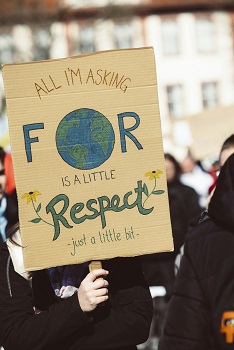
Respect stands as the cornerstone of any constructive conversation, particularly when navigating the complexities of differing opinions. At its core, respect involves acknowledging the inherent worth of every individual, regardless of their beliefs or perspectives. This foundational element plays a pivotal role in fostering healthier relationships and nurturing deeper understanding between individuals. Through respect, participants in a dialogue feel valued and are more likely to engage openly, contributing to a richer exchange of ideas.
The act of respecting differing opinions encourages an environment where individuals can express themselves without fear of judgment or hostility. In such an atmosphere, open dialogue becomes not only possible but also inviting. When participants maintain a respectful demeanor, they pave the way for collaboration and collective learning. Respect helps to reduce defensiveness, allowing individuals to listen actively and respond thoughtfully. This exchange of viewpoints can lead to innovative solutions and a broader perspective on issues that may initially appear polarized.
Moreover, practicing respect in discussions enables individuals to process information in a healthier manner. It supports emotional intelligence and cultivates a sense of empathy, making it easier to see the rationale behind opposing viewpoints. Such empathy can enrich conversations by adding layers of understanding that transcend mere agreement or disagreement. Consequently, when respect underpins dialogues, the outcomes are frequently more positive, often resulting in mutual growth and cohesion among participants.
In summary, respect is not just a nicety; it is an essential ingredient in ensuring that conversations about differing opinions are productive and enriching. It creates the foundation for open dialogue and collaboration, which are vital for personal and collective advancement.
Active Listening Techniques
To engage in a respectful disagreement, it is essential to first appreciate the perspective of the opposing party. This involves the practice of active listening, a skill that can significantly enhance communication and understanding. Active listening encompasses various techniques that facilitate a constructive dialogue.
One primary technique of active listening is maintaining eye contact. This non-verbal cue demonstrates to the speaker that you are attentive and value their expression. It fosters an atmosphere of trust and openness, making the conversation more effective. Additionally, avoiding distractions, such as phones or other interruptions, emphasizes your commitment to understanding the viewpoint being presented.
Another crucial technique involves summarizing what the other person has communicated. After they have expressed their thoughts, paraphrase their main points to confirm your understanding. This not only shows that you have genuinely listened but also clarifies any potential misinterpretations. By reflecting their perspective back to them, you give the speaker an opportunity to correct any inaccuracies, thereby promoting clearer communication.
Asking clarifying questions is also integral to active listening. These inquiries should seek to uncover deeper insights into the speaker’s position. For instance, phrases like “Could you elaborate on that point?” or “What prompted you to feel this way?” indicate genuine interest in their perspective. These questions help in peeling back layers to the argument, offering you a fuller view of their reasoning.
In essence, employing these active listening techniques enables a person to engage with an opposing viewpoint more constructively. By creating an environment of respect and understanding, one lays the groundwork for a more meaningful and beneficial disagreement.
Expressing Your Perspective Clearly
Once you have taken the time to understand the opposing viewpoint, the next critical step is articulating your perspective in a manner that is both clear and respectful. Effectively communicating your disagreement not only ensures that your voice is heard but also helps maintain the integrity of the conversation. One highly effective method to achieve this is through the use of “I” statements. These statements encourage the expression of personal thoughts and feelings without placing blame on the other person. For example, instead of saying, “You do not understand the situation,” you might say, “I feel that there are aspects of this situation that we may not have explored fully.” This simple shift in phrasing can significantly alter the dynamics of the discussion.
It is crucial to focus on expressing emotions rather than issuing accusations. When individuals frame their disagreements by emphasizing their feelings and thoughts, it tends to foster a more open and understanding atmosphere. Instead of saying, “You are being unreasonable,” consider rephrasing it to, “I feel overwhelmed by our differing views, and I would appreciate exploring this further together.” This reframing not only validates your emotional experience but also invites collaboration instead of confrontation.
In addition to employing “I” statements, being mindful of your tone and body language is equally important. Nonverbal cues can convey attitudes and feelings just as much as words do. Maintaining a calm demeanor, making appropriate eye contact, and using open body language can further enhance your ability to express your disagreement respectfully. When individuals perceive your sincerity and respect, they are more likely to respond positively, thus paving the way for constructive dialogue. This mutual respect can facilitate a meaningful exchange of ideas and perspectives.
Finding Common Ground
In discussions that involve differing opinions, it is essential to recognize that even in disagreement, there often exists common ground. Identifying shared values or goals can be a powerful tool in fostering understanding and collaboration. One effective method to uncover commonalities is through active listening. This involves not just hearing the words spoken by the other party but also understanding the underlying sentiments and beliefs driving those words. By engaging in such active listening, individuals can often glean insights into what they fundamentally agree upon, despite divergent views.
Moreover, it helps to approach discussions with curiosity rather than judgment. Asking open-ended questions can not only clarify the other person’s position but also reveal mutually important objectives. For instance, while two people may disagree on the approach to a particular issue, they might both share a primary goal—the betterment of their community or the welfare of others. Focusing on these larger objectives can transform the dynamic from one of conflict to cooperation, as each party can work together towards a goal that holds significance for them both.
Utilizing affirmations can further bridge gaps. Acknowledging the validity of the other person’s perspective, even while disagreeing, helps to enhance respectful dialogue. Statements like, “I understand that you feel strongly about this issue, and I appreciate your viewpoint” serve to validate the feelings of others and lay the groundwork for more constructive discussions.
Ultimately, the aim is to create a collaborative atmosphere where all parties feel valued and understood. By emphasizing shared interests and respecting diverse viewpoints, it becomes possible to navigate disagreements with dignity and purpose, laying the foundation for productive outcomes.
Handling Emotions in Disagreement
Disagreements often trigger strong emotions, making it challenging to engage in constructive dialogue. Recognizing and managing these emotions is crucial for maintaining a respectful discussion. One effective strategy is to take breaks during intense conversations. When emotions run high, allowing time for both parties to cool down can prevent escalation and foster more rational thoughts. Stepping away briefly can help individuals reflect on their perspective and approach the situation with a clearer mindset upon returning.
Practicing mindfulness can also be instrumental in managing emotions. Mindfulness involves being fully present in the moment and acknowledging one’s feelings without judgment. This practice can assist individuals in recognizing their emotional responses during disagreements and help to create a space for calmness and understanding. Techniques such as deep breathing, meditation, or even consciously relaxing one’s muscles can be employed to maintain equanimity. By focusing on one’s breath or physical sensations, individuals can create a mental buffer against escalating emotions, allowing for a more composed reaction.
Moreover, maintaining a calm demeanor throughout a disagreement is essential. Body language, facial expressions, and vocal tone can all contribute to the emotional atmosphere of the conversation. Displaying open body language and using a soft tone can positively influence the emotional dynamics, even when opinions diverge. It’s important to approach the dialogue with empathy, actively listening to the other person’s perspective, and validating their feelings, which can further prevent misunderstandings and emotional flare-ups.
By employing these techniques—taking breaks, practicing mindfulness, and keeping a calm demeanor—individuals can navigate the often turbulent waters of disagreement more effectively, paving the way for a more constructive interaction.
Avoiding Personal Attacks
In discussions that involve differing viewpoints, the way we express our thoughts can significantly impact the dialogue. Personal attacks can quickly derail conversations, escalate tensions, and diminish the potential for constructive outcomes. It is essential to focus on critiquing the ideas presented rather than targeting the individuals who hold them. This approach fosters a more open and respectful atmosphere conducive to meaningful exchanges.
For instance, consider the difference between two statements regarding a disagreement on policy. A statement such as, “You clearly don’t understand the issue,” serves as a personal attack that may trigger defensiveness and shut down the conversation. Conversely, a more constructive approach would be, “I see the policy differently because I believe it may overlook important aspects of the situation.” This alternative invites dialogue and encourages the other party to share their perspective without feeling belittled.
When we choose to challenge ideas rather than individuals, we also create a space where all participants feel valued and respected. This leads to the possibility of learning from one another and potentially finding common ground. Instead of framing disagreements in a way that causes division, focusing on the points of contention allows participants to engage with the issue at hand constructively.
Furthermore, using questions can promote a more collaborative atmosphere. Instead of making accusatory statements, phrases like “Could you explain your perspective on this issue more?” can help bridge understanding. It demonstrates a willingness to listen and learn, marking a significant step towards avoiding personal attacks. Ultimately, by arming ourselves with the intention to engage on an idea level, we can turn disagreements into opportunities for growth.
Know When to Agree to Disagree
In the landscape of interpersonal communication, there are instances when a disagreement may not reach a satisfactory conclusion. Recognizing when to agree to disagree is crucial in promoting a respectful dialogue. Disagreements can arise from deeply held beliefs, personal experiences, or unique interpretations of information. Consequently, accepting that some differences may not be resolvable is an essential skill in maintaining healthy relationships.
Understanding and respecting boundaries is a pivotal aspect of this process. Individuals come from diverse backgrounds and possess varying perspectives that shape their opinions. It is paramount to acknowledge that differing views can coexist without leading to animosity or discord. Engaging in civil discussions where each party feels comfortable expressing their thoughts fosters an atmosphere conducive to mutual respect.
Moreover, recognizing the signs that suggest it is time to transition from a debate to an agreement to disagree can enhance interpersonal dynamics. If the conversation becomes increasingly contentious or if either party feels frustrated, it may indicate a need to pause and reflect. Engaging in a dialogue, and yet observing a pattern where common ground remains elusive, calls for a mindful approach. A simple acknowledgment of the differences can affirm the validity of each person’s perspective.
In essence, agreeing to disagree does not signify a defeat or an end to constructive conversation. Rather, it reinforces the understanding that varying opinions enrich discussions and personal growth. As individuals navigate the complexities of differing viewpoints, they should strive to cultivate an environment where tolerance and understanding prevail, allowing for the coexistence of diverse opinions within their interpersonal relationships.
Practicing Respectful Disagreement in Daily Life
Incorporating respectful disagreement into daily interactions is essential for fostering healthy communication. One effective approach is to engage in role-playing scenarios with friends or family. By simulating a disagreement on a pre-determined topic, individuals can practice maintaining their composure while articulating their viewpoints. This exercise allows participants to experience a variety of perspectives and encourages active listening, thereby refining their ability to disagree respectfully.
Another practical tip is to set intentions before entering discussions. By consciously deciding to prioritize respect and understanding during a conversation, individuals create a conducive environment for open dialogue. Such intentions can include committing to listen without interruption, acknowledging the other person’s viewpoint, or agreeing to disagree if consensus cannot be reached. This proactive approach can significantly enhance the quality of interactions, even when disagreements arise.
Reflecting on past disagreements can also yield valuable insights into personal communication styles and areas needing improvement. After a disagreement, set aside some time to evaluate what went well and what could have been handled differently. Consider questions like whether both parties felt heard, if emotions escalated, or if the conversation remained focused on the issue at hand. This reflection not only aids in identifying personal growth areas but also fosters emotional intelligence, which is vital in navigating future discussions.
Incorporating these strategies—role-playing, setting intentions, and reflecting on past interactions—can empower individuals to approach disagreements with confidence and respect. Embracing these practices not only enhances personal relationships but also cultivates a culture of mutual respect in all areas of life.