



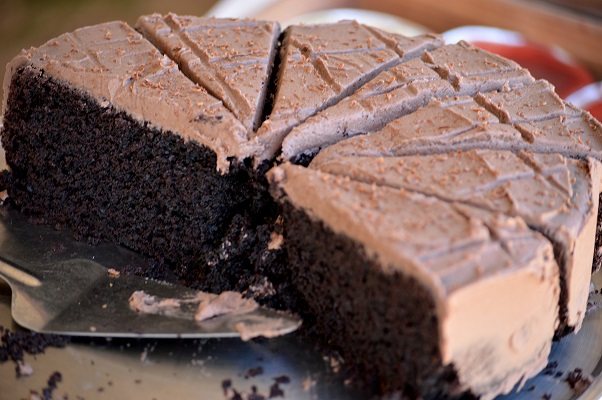
Baking the perfect chocolate cake recipe largely depends on selecting high-quality ingredients. Each component plays a critical role in achieving the desired texture and flavor. Starting with flour, it’s essential to choose all-purpose flour that strikes a balance between structure and tenderness. Some recipes may call for cake flour, known for its lower protein content; this results in a softer cake. Understanding the type of flour used can significantly affect the cake’s crumb and overall finish.
Cocoa powder is another essential ingredient in chocolate cake and varies in flavor intensity and acidity. High-quality Dutch-processed cocoa powder is often recommended for a smoother and richer chocolate taste, whereas natural cocoa powder adds a more pronounced chocolate flavor. Both types can yield great results, but the choice can impact the final product’s acidity and texture.
Sugars contribute not only sweetness but also moisture to the cake. Granulated sugar is most common, but brown sugar can add depth and a hint of caramel flavor. When selecting eggs, fresh large eggs provide the necessary structure and moisture. The freshness of eggs is also crucial, as older eggs can lead to a less stable cake structure.
Fats, particularly butter, enhance flavor and create a moist texture. Unsalted butter is preferred, allowing bakers to control the overall saltiness. For those seeking alternatives, options like vegetable oil or even avocado can create a moist cake while catering to different dietary preferences. The impact of ingredient substitutions, such as using gluten-free flour, should be noted, as they may alter the texture and rise of the cake.
Lastly, selecting high-quality chocolate for ganaches or decorations elevates the overall flavor profile of the cake. Whether using dark, semi-sweet, or milk chocolate, opting for products with higher cocoa content ensures a more intense taste. Overall, the right combination of these ingredients will significantly influence the final taste and texture of your chocolate cake.
Mastering the Baking Process
Baking the perfect chocolate cake recipe requires a methodical approach, beginning with the preparation of your ingredients and equipment. First, ensure that all ingredients are at room temperature, particularly the butter and eggs, as this leads to a smoother batter. Start by preheating your oven to 350°F (175°C). Proper oven temperature is essential for achieving an even rise in the cake. Additionally, it is advisable to prepare your cake pans by greasing them and lightly dusting them with flour to prevent sticking.
The creaming method is crucial in cake baking. Begin by placing softened butter into a mixing bowl and adding granulated sugar. Using an electric mixer, beat the butter and sugar together on medium speed until the mixture becomes light and fluffy. This process incorporates air into the batter, which is vital for a light texture. Avoid rushing this step, as thorough creaming will significantly improve the cake’s overall structure.
Once the butter and sugar are well combined, add eggs one at a time, mixing well after each addition. This ensures the eggs are fully incorporated and helps to stabilize the batter. Next, sift together the dry ingredients, including flour, cocoa powder, baking powder, and salt. Carefully add the dry mixture to the creamed butter and sugar, alternating with the wet ingredients, such as milk or water. It is essential to mix just until combined, as overmixing can lead to a dense cake.
After preparing the batter, pour it into the prepared pans, filling them to about two-thirds full. Bake in the preheated oven for 25 to 30 minutes. It is important to monitor the bake time closely; observe the cake’s rise and perform a toothpick test by inserting it into the center. If it comes out clean or with a few crumbs, the cake is done. Allow the cakes to cool in the pans for about 10 minutes before removing them to a wire rack to cool completely. This careful method will help ensure a perfectly baked chocolate cake.
Cooling and Assembling the Cake
Once the chocolate cake recipe has been baked to perfection, allowing it to cool properly is essential for achieving a delightful texture. The first step is to remove the cake from the oven and let it sit in the pans for about 10-15 minutes. This brief resting period helps the cake settle, facilitating easier removal from the pans. Next, gently run a knife around the edges of the cake to loosen it before transferring it onto a cooling rack. This step is critical as it prevents any sticking, which can lead to undesirable tears or crumbles in the cake.
It is advisable to allow the cake layers to cool completely at room temperature. This usually takes about one to two hours, depending on the thickness of the cake. Ensuring that the cake is fully cooled is crucial as warm layers can create a soggy texture and lead to issues when frosting. Once cooled, leveling the cake layers is important for a polished finish. Using a serrated knife, carefully trim the domed top of the cake layers to create a flat surface for stacking.
When it comes to frosting, choices abound. Classic buttercream, with its rich and creamy texture, is a popular choice, while a luscious chocolate ganache can add an indulgent touch. For those desiring a lighter option, whipped cream can introduce a delicate balance. Flavor pairings also enhance the overall experience; consider adding a hint of espresso to the batter for depth, or complement the chocolate with raspberry or orange zest in the frosting. Ultimately, the assembly of the cake becomes a creative expression where flavor and texture harmonize beautifully, leading to a satisfying dessert.
Tips and Troubleshooting for a Perfect Result
Baking a chocolate cake recipe can sometimes present challenges, but with the right techniques and awareness of common issues, achieving perfection is within reach. One of the most common problems cooks encounter is a cake that turns out dry. To prevent this, it is essential to measure ingredients accurately, especially flour, which can be easily overmeasured. Consider using the spoon-and-level method for precise amounts or a kitchen scale for accuracy. Adding a little bit of sour cream or yogurt can also enhance moisture, contributing to a richer texture without compromising the chocolate flavor.
Another frequent issue is cakes that sink in the middle. This often occurs due to underbaking or overmixing the batter. To address this, always follow the recommended baking time and perform a toothpick test towards the end of the specified time. It is advisable to rotate the baking pan midway through the baking process for even heat distribution. Furthermore, mixing the batter just until the ingredients are combined will help maintain the desired texture.
Flavor enhancement is key to an exceptional chocolate cake. Consider adding a teaspoon of espresso powder or coffee to the batter; these ingredients can significantly intensify the chocolate flavor without overshadowing it. Incorporating a pinch of salt balances sweetness and elevates the overall taste. For a more appealing appearance, explore creative decorating ideas such as using ganache for a glossy finish or making chocolate shavings as a garnish.
When serving, consider stunning presentations such as a layered cake display or individual mini cakes. Pairing the chocolate cake with fresh berries or a scoop of vanilla ice cream can also create a delightful contrast, impressing your guests while ensuring that each slice of cake is as visually enticing as it is delicious.