


Indoor sports have gained significant popularity in recent years, offering individuals a diverse array of options to remain physically active within the confines of their homes. The concept of indoor sports encompasses a variety of activities that can be done in an enclosed space, often requiring minimal equipment and space. Such sports not only cater to the needs of fitness enthusiasts but also engage individuals of all ages and skill levels.
The advantages of participating in indoor sports extend beyond mere physical fitness. These activities provide an excellent opportunity for social interaction and engagement, facilitating connections among family and friends within a comfortable environment. They also serve as a solution for those who may find outdoor sports challenging due to adverse weather conditions such as rain, snow, or extreme heat.
Moreover, indoor sports can be tailored to fit into various lifestyles, making them accessible regardless of time constraints or personal preferences. For those who face barriers to outdoor activity—such as busy schedules, lack of facilities, or safety concerns—indoor sports present a viable alternative. Activities like table tennis, badminton, and home-based workouts are just a few examples of how individuals can stay active while enjoying the comfort of their own space.
In addition to promoting health and fitness, engaging in indoor sports fosters discipline and dedication, key traits that contribute to personal development. As individuals strive to improve their skills, they also enhance their mental resilience and overall well-being. Whether undertaken casually or competitively, indoor sports provide an effective way to stimulate both body and mind, paving the way for a healthier lifestyle.
Introduction to Popular Indoor Sports
Indoor sports offer an excellent way for individuals of all ages to engage in physical activity and enhance their fitness levels without the need for extensive outdoor space. With a variety of sports available, players can find options that suit their interests, age, and skill level. Here, we explore popular indoor sports that can easily be played in the comfort of one’s home.
Solo Indoor Sports
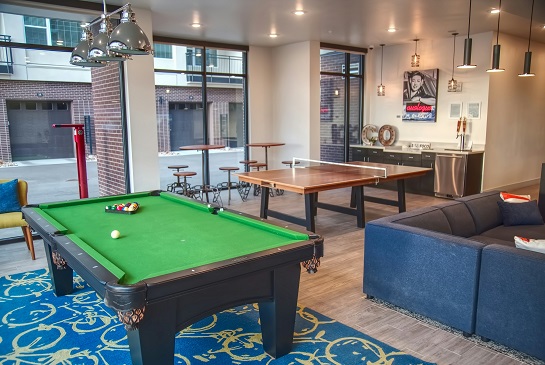
For individuals seeking to improve their physical conditioning independently, solo indoor sports are ideal. Table tennis, often played in limited spaces, requires only a paddle and a lightweight ball, making it accessible for most households. Another popular option is yoga, which combines physical poses and breathing exercises conducive to mental relaxation. Additionally, many enjoy activities like jump rope, which offers a great cardiovascular workout, and can easily be done in a small area.
Partner and Small Group Sports
When looking for partners or small groups, sports such as badminton and squash come to the forefront. Both sports require minimal equipment, just rackets and a shuttlecock or ball, respectively. They can be played indoors at designated courts or even in larger living rooms, provided safety measures are observed. Moreover, activities like dancing can be turned into an engaging sport with the help of music and rhythm, appealing to different age groups.
Team Sports
Indoor team sports are perfect for family members or groups of friends who wish to engage in competitive yet friendly matches. Indoor soccer and basketball require larger spaces, but many homes may have basements or garages where such activities can take place. Mini basketball hoops and portable goals further accommodate these sports, allowing for practice or casual gameplay. Volleyball can also be adapted for indoor settings with just a net and a soft ball, creating enjoyable family gatherings.
Diverse Options for All Ages
Overall, the range of indoor sports available caters to a diverse audience. Whether individuals prefer solo activities for personal growth or team sports that foster collaboration and camaraderie, there are options for everyone. The flexibility in the space required and equipment needed makes it easier for families to stay active together, enhancing social and physical well-being.
Creating an Ideal Environment for Indoor Sports
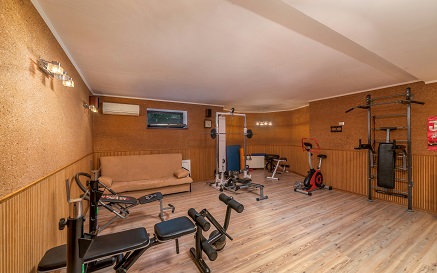
Setting up your home for indoor sports requires thoughtful planning and execution to maximize both utility and safety. The first step is to select the right space, ideally a large, open area free from obstructions. A basement, garage, or even a spacious living room can serve as an excellent sports play area. Ensure there is adequate ventilation and lighting, as these factors significantly influence the overall atmosphere.
Once the space has been designated, consider the necessary equipment. Depending on the type of indoor sports you wish to engage in—be it table tennis, basketball, or indoor soccer—specific gear such as nets, balls, and paddles will be essential. Furthermore, furniture modifications may be necessary. Rearranging or removing furniture to create a larger, safer playing field can prevent accidents and facilitate fluid movement during sports activities.
Safety considerations cannot be overlooked when setting up your indoor sports area. Use mats or soft flooring materials to cushion falls and prevent injuries. Be mindful of sharp corners on furniture and consider padding them or moving the furniture entirely to reduce risks. Additionally, keep the area tidy and free from clutter to minimize tripping hazards.
Moreover, optimizing the space for various activities can include using storage solutions for your sports equipment. This can help maintain a clean environment and allow for quick transitions between different sports. Depending on your interests, you may also want to designate zones within your home for specific sports, providing an ergonomic approach to maximizing your indoor sports enjoyment.
Staying Motivated and Choosing the Right Indoor Sport
Participating in indoor sports can be a delightful way to keep fit and enjoy leisure time while remaining within the comfort of your home. However, maintaining motivation can be challenging. To ensure you remain engaged and enthusiastic about your chosen activity, implementing strategies that foster commitment is essential.
Firstly, setting personal goals can significantly enhance your motivation. These goals should be specific, measurable, achievable, relevant, and time-bound (SMART). Whether it is improving your performance in table tennis or achieving a certain number of workout sessions each week, having clear targets in place will give you something to work towards. Regularly tracking your progress can provide a sense of accomplishment and help you stay on course.
Incorporating family members or friends into your indoor sports routine can also enhance motivation. Sharing the experience with others can make activities feel less like a chore and more like a communal effort. You can organize friendly competitions or simply partner up for practice sessions. This social element not only provides accountability but also boosts the fun factor of indoor sports.
Choosing the right sport is another vital component. Consider your physical capabilities, interests, and the available space in your home. Activities such as yoga, home workouts, or even indoor basketball can cater to different preferences and fitness levels. If space is limited, opting for activities that require minimal equipment, such as bodyweight exercises or dance workouts, may prove beneficial. Ultimately, finding a sport you genuinely enjoy will facilitate sustained participation over time.
By effectively setting goals, tracking your progress, engaging with others, and selecting an appropriate indoor sport, you can ensure that your indoor sports experience remains enjoyable and fulfilling.