



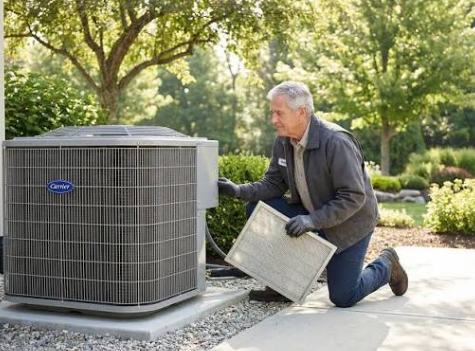
Keeping an older home cool can be tricky, especially when the property wasn’t designed with modern air conditioning in mind. Older windows, limited insulation, aging electrical systems, and worn ductwork can all make it harder to maintain a comfortable indoor temperature. Even a newer AC unit may struggle if the home itself is allowing too much heat inside.
That doesn’t mean you have to rely on an outdated central AC system. Homeowners considering ductless cooling for older homes have several alternatives to consider, depending on the home’s layout and existing infrastructure. Some options can reduce the need for extensive remodeling while giving you better control over individual rooms.
Start With the Home, Not Just the AC
Before choosing a new cooling system, take a closer look at how your home currently handles heat. An air conditioner may be running properly but still struggle because warm air enters through poorly sealed windows, an under-insulated attic, or gaps around doors.
The condition of the existing ductwork also matters. Leaking or poorly insulated ducts can allow cooled air to escape before it reaches the rooms where it’s needed. In an older property, replacing or repairing ductwork may be a significant project, which is one reason homeowners sometimes look at systems that don’t depend on ducts.
A basic assessment of the property can help determine whether you need a different type of AC system, improvements to the home itself, or both.
Ductless Mini-Split Systems
Ductless mini-splits are one option worth considering when traditional ductwork isn’t practical. Instead of using a central network of ducts, the system has an outdoor unit connected to one or more indoor air-handling units.
This can be useful in older homes where adding new ductwork would mean opening walls, ceilings, or floors. Individual indoor units can also allow different areas of the home to be cooled separately.
For example, a homeowner might prioritize the bedrooms at night rather than cooling every room to the same temperature. This type of control can be useful in homes where certain rooms are used more frequently than others.
The placement of indoor units is important, though. A professional should consider the home’s layout and cooling requirements to determine how many units are needed and where they should be installed.
High-Efficiency Central AC
Replacing an older central air conditioner with a newer, more efficient model can still be a sensible choice when the existing ductwork is in good condition.
Modern central AC systems are available with efficiency features that can reduce energy consumption compared with older equipment. However, simply installing a new unit doesn’t guarantee better performance if the system isn’t properly matched to the home.
The size of the AC system matters as well. An oversized unit may cool the home quickly but may not run long enough to manage humidity effectively. An undersized system may run for long periods without keeping the home comfortable.
Before replacing central AC equipment, have the existing ductwork and overall cooling needs evaluated. That can help prevent you from spending money on new equipment while leaving other problems unresolved.
Heat Pumps
A heat pump can provide both heating and cooling, which makes it another option for an older property. During the cooling season, it moves heat from inside the home to the outdoors. When heating is needed, the process reverses.
For homeowners who want one system to handle both functions, this can be appealing. Heat pumps are available in different configurations, including ductless models for properties without suitable ductwork.
However, the home’s electrical setup should be considered before installation. Older properties may have electrical components that need to be evaluated before new equipment is added. Insulation and air sealing should also be considered because a more efficient system can’t fully compensate for major heat loss or heat gain through the building envelope.
Room-Based or Zoned Cooling
Some older homes have rooms that naturally stay warmer than others. A bedroom with afternoon sun, a converted garage, or a home addition may need more cooling than other parts of the property.
Zoned cooling can address this by allowing different areas to be controlled separately. Depending on the system, zoning can be achieved through ductless units or a central AC system equipped with appropriate controls.
This approach can be useful if certain rooms are rarely occupied. Instead of trying to maintain exactly the same temperature throughout the entire property, you can focus cooling where it’s actually needed.
It can also make sense for homes with unusual layouts where a single thermostat doesn’t accurately represent the temperature throughout the house.
Improve the Home’s Energy Efficiency First
A new cooling system isn’t the only way to make an older home more comfortable. Improving the home’s ability to keep heat out can reduce the workload placed on the AC.
Start with areas that commonly affect indoor temperatures, such as the attic, windows, exterior doors, and areas around plumbing or electrical penetrations. Proper insulation and air sealing can help reduce unwanted heat transfer.
Window coverings can also make a noticeable difference in rooms that receive strong afternoon sunlight. Closing blinds, shades, or curtains during the hottest part of the day can limit the amount of solar heat entering the room.
These improvements can support almost any type of cooling system, making them worth considering before or alongside an AC upgrade.
Which Option Makes Sense for Your Home?
The best choice depends on the property’s existing structure and what you want the new system to accomplish. A home with good ductwork may be well suited to an efficient central AC replacement, while a property without usable ducts may benefit from ductless equipment.
Think about:
- The condition of your current ductwork
- The number and size of rooms you regularly use
- Whether some areas are consistently warmer than others
- The home’s insulation and window condition
- Your existing electrical setup
- Whether you need heating as well as cooling
- How much construction or remodeling you’re willing to undertake
Looking at these factors together can make the decision much easier than choosing an AC system based on efficiency ratings alone.
Final Thoughts
Older homes don’t have to depend on outdated cooling methods. There are several ways to improve comfort and energy efficiency without automatically installing another traditional central AC system. Ductless mini-splits can be useful where ductwork is limited, while efficient central AC may work well when existing ducts are in good shape. Heat pumps can provide heating and cooling from one system, and zoning can make sense when different rooms have different temperature needs.
It’s also worth addressing insulation, air leaks, and other factors that affect how well the home holds conditioned air. A cooling system can only work so efficiently if the property is constantly allowing outdoor heat inside. Taking the time to assess the whole home can help you choose a cooling option that fits the property’s age, layout, and existing systems.