



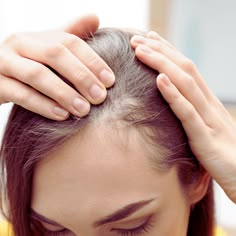
Hair loss has a way of showing up quietly and then, seemingly overnight, becoming impossible to ignore. A slightly higher hairline in old photos. More hair in the shower drain than there used to be.
For a lot of men, the first reaction is to assume it’s simply genetic and inevitable, since “male pattern baldness” is such a familiar phrase that it can feel like the whole explanation.
Early Warning Signs Worth Noticing
Catching thinning early makes a real difference in how much can be done about it, and in whether PRP is even a realistic option later. Signs worth paying attention to include:
- A gradually receding hairline, especially at the temples
- A widening part or increased visibility of the scalp
- More hair than usual left behind after washing or brushing
- Thinner-feeling hair overall, even without an obvious bald spot
Genetics Is Part of the Story, Not All of It
Androgenetic alopecia, the technical term for male pattern hair loss, is indeed the most common cause and does have a strong genetic component tied to how hair follicles respond to a hormone called DHT over time.
But genetics alone doesn’t explain everything, and several other factors can accelerate or worsen hair thinning in ways that are often overlooked:
- Hormonal imbalance, which can affect the hair growth cycle beyond DHT sensitivity alone
- Thyroid dysfunction, which can cause diffuse thinning that’s sometimes misread as ordinary male pattern loss
- Nutritional deficiencies, particularly iron, vitamin D, and certain B vitamins
- Chronic stress, which can push hair follicles into a resting phase prematurely
How Age Factors In
While male pattern hair loss can begin as early as the late teens or twenties for some men, thinning that starts or accelerates in the 30s and 40s is common enough to be worth a real look rather than dismissed as inevitable. Earlier intervention generally means more active follicles are still available to respond to treatment.
Why the Cause Changes the Treatment
If genetics is the only factor considered, hair loss can look like something to simply accept or, at best, manage cosmetically.
But when hormonal or thyroid factors are part of the picture, and for a meaningful number of men they are, addressing those issues alongside a direct hair restoration treatment produces a more complete approach than either one on its own.
Getting an Actual Diagnosis First
Before jumping to any treatment, a thorough evaluation typically includes a scalp examination to assess the pattern and stage of thinning, bloodwork to check hormone and thyroid markers, and a conversation about family history, since androgenetic alopecia does tend to run in families even when it isn’t the only factor at play.
How PRP Actually Works
PRP, platelet-rich plasma therapy, uses growth factors drawn from a patient’s own blood to stimulate hair follicles and improve scalp circulation, encouraging thicker, healthier regrowth in follicles that are still active.
It’s non-surgical, requires no significant downtime, and works especially well for men in the early-to-moderate stages of thinning. Honest candidacy matters here too: PRP is far less effective for advanced hair loss, and a credible provider will say so rather than promising results it can’t deliver.
What a PRP Session Actually Involves
A small blood sample is drawn, similar to a routine lab draw, then processed in a centrifuge to concentrate the platelets and growth factors, which are injected directly into targeted areas of the scalp.
The full appointment typically takes under an hour, requires no sedation, and comes with minimal downtime. Because it uses a patient’s own blood, the risk of allergic reaction is low. Results build gradually over a series of sessions, which is worth knowing going in.
Looking Past the Scalp
The strongest version of this approach doesn’t treat the scalp in isolation. A provider who checks hormone levels, thyroid function, and general health alongside offering PRP hair restoration for men gives a more complete answer than a hair-only specialist can.
How Many Sessions to Expect
PRP is not a one-and-done treatment. Most protocols involve an initial series of sessions spaced several weeks apart, followed by periodic maintenance treatments to sustain results, since hair growth cycles take time and follicles need repeated stimulation to respond fully.
A provider who promises dramatic results from a single session, or who won’t give a straight answer about how many sessions a realistic plan involves, is worth being cautious about. Honest candidacy guidance up front tends to be a good sign of a provider worth trusting.
The Bottom Line
If thinning hair has felt like something to just accept because it “runs in the family,” it’s worth getting an actual evaluation first. Genetics may well be part of the story, but for plenty of men, it isn’t the whole story.
Maverick Men’s Health Allentown is built to look at that whole story, not just the scalp.