



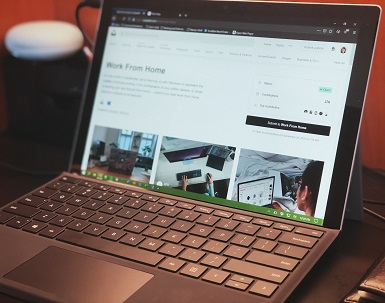
The concept of remote work benefits, also known as telecommuting, has been evolving rapidly over the last few decades. Originally gaining traction in the late 20th century alongside technological advancements, it has taken center stage in recent discussions about the future of work, especially in the wake of the COVID-19 pandemic. The pandemic fundamentally altered traditional workplace dynamics, compelling many companies to embrace remote work as a viable alternative to the conventional office setup. This drastic shift has not only highlighted the feasibility of remote work but also its potential benefits for modern businesses. As companies transitioned to remote work environments to ensure safety and continuity during lockdowns, they discovered various advantages. Employee flexibility, reduced overhead costs, and the ability to tap into a global talent pool are just a few of the numerous benefits that have come to light. Remote work allows employees to manage their schedules more effectively, leading to increased job satisfaction and retention rates among staff. Moreover, businesses that adopt remote work protocols can reduce expenses related to office space, utilities, and other facilities.
The rise in remote work has also led to significant advancements in communication and collaboration tools that facilitate seamless interaction among team members. Innovations ranging from project management software to video conferencing platforms have made it easier for distributed teams to stay connected and work cohesively. As such, remote work is no longer viewed merely as a temporary solution to a crisis but rather as a legitimate strategy that can enhance productivity and efficiency in modern organizations.
This blog post will explore the multifaceted benefits of remote work for businesses today, illustrating how organizations can leverage this model to not only survive but thrive in an increasingly digital and flexible work environment.
Increased Flexibility and Adaptability
The contemporary business environment presents a dynamic landscape, one which necessitates the ability to adapt swiftly to various challenges and opportunities. Remote work emerges as a pivotal solution that enhances flexibility in both work hours and locations. This adaptability is essential as it allows organizations to meet the evolving demands of their workforce and external market conditions.
Traditionally, businesses have been confined to rigid schedules and fixed office spaces, which can restrict productivity and employee morale. However, with the adoption of remote work, employees have the autonomy to structure their work hours in a way that complements their personal lives. This flexibility not only leads to increased job satisfaction but also enables employees to manage their time more effectively, which can result in heightened productivity levels.
Furthermore, the ability to work from various locations empowers businesses to attract a diverse talent pool, as geographical restrictions become less relevant. Organizations can hire skilled professionals from different regions, thereby enhancing their ability to adapt to market demands. This geographical flexibility also allows companies to maintain business continuity during unforeseen circumstances, such as natural disasters or public health crises, by ensuring that employees can seamlessly transition to remote work without significant disruption.
The impact of this newfound flexibility is profound. Employees who enjoy the benefits of remote work often display increased loyalty to their organization, leading to improved employee retention rates. When employees feel that their needs are considered and accommodated, they are more likely to remain committed to their employer. In essence, the enhanced flexibility and adaptability offered by remote work not only meet the needs of businesses but also contribute to a more satisfied and engaged workforce.
Cost Savings for Businesses
As organizations around the globe continue to adapt to the evolving landscape of work, one prominent benefit that emerges from embracing remote work is the significant cost savings it offers businesses. By allowing employees to work from home, companies can drastically reduce their overhead expenses related to traditional office environments.
One of the most noticeable reductions comes from leasing office space. Urban real estate can be prohibitively expensive, and maintaining a physical office requires ongoing rental payments, which can consume a considerable portion of a business’s budget. Without the need for a large office, businesses have the opportunity to save substantially on real estate costs. This can be particularly advantageous for startups and small to medium-sized enterprises (SMEs) aiming to allocate their limited resources more effectively.
Additionally, operating an office incurs various utility expenses, such as electricity, water, heating, and Internet services. The shift to remote work allows organizations to lessen their financial burden in these areas. These utility savings can be redirected towards enhancing other crucial sectors, such as technology upgrades, employee training programs, or even marketing initiatives, thereby potentially increasing overall productivity and growth.
Moreover, companies may also realize savings in maintenance and operational costs associated with managing an office space, such as cleaning services and office supplies. These savings not only contribute to improved cash flow but also empower businesses to invest in innovative solutions, improve employee benefits, or enhance workplace culture through virtual team-building activities.
In summary, the financial benefits of remote work are multifold, granting businesses an avenue to optimize their budget by significantly reducing overhead costs. The funds made available through these savings can be instrumental in propelling businesses toward sustained growth and success in an increasingly competitive market.
Access to a Global Talent Pool
In today’s rapidly evolving business environment, remote work has emerged as a transformative approach that enables companies to recruit talent from anywhere across the globe. This shift from traditional office-based hiring to a more flexible, remote workforce provides businesses with a remarkable advantage: access to a vast and diverse talent pool. Organizations are no longer constrained by geographical limitations, allowing them to source candidates who possess unique skills and experiences that may not be available in their local market.
Recruiting globally not only broadens the range of applicants but also introduces diverse perspectives and ideas into the workplace. This diversity is a catalyst for innovation, as disparate viewpoints often lead to creative problem-solving and novel approaches to challenges. When companies incorporate individuals from various cultural, educational, and professional backgrounds, they can better adapt to the complexities of an interconnected world. The amalgamation of different experiences ultimately cultivates a resilient workforce that is adaptable to market changes.
Moreover, hiring from a global talent pool allows businesses to find specialized expertise that may be in short supply locally. This is particularly advantageous in industries characterized by rapid advancements, such as technology or healthcare, where niche skills are increasingly essential. Companies leveraging remote work can fill critical roles more efficiently, thus enhancing their operational effectiveness.
Furthermore, employing a globally sourced team can significantly improve a company’s competitive edge. Organizations can operate in various time zones, extending their service hours and responsiveness to clients, thereby creating a seamless customer experience. In conclusion, the ability to recruit talent from around the world not only enhances organizational agility but also fosters an environment ripe for innovation, ultimately positioning businesses for sustainable success.
Improved Employee Productivity
Recent studies have indicated a significant correlation between remote work and enhanced employee productivity. Remote workers often demonstrate higher output levels compared to their on-site counterparts. This phenomenon can be attributed to several key factors that contribute to a more focused and efficient working environment.
Firstly, employees working remotely typically encounter fewer workplace distractions. In a traditional office setting, interruptions from colleagues, unplanned meetings, and environmental noise can hinder concentration and workflow. In contrast, remote workers have the autonomy to create their own workspaces, allowing them to minimize distractions and tailor their environments to suit their specific needs. This personalized approach not only fosters a more comfortable atmosphere but also helps individuals to remain focused on their tasks.
Moreover, the flexibility associated with remote work arrangements can significantly enhance productivity. Workers have the ability to set their schedules according to their peak productivity times, whether they are early risers or night owls. This kind of schedule adaptability often leads to an increase in motivation and job satisfaction, as employees can align their work hours with their natural rhythms.
Additionally, the elimination of commuting time can make a considerable difference in productivity. Employees who no longer need to travel to and from the office can allocate those hours directly to work, resulting in more completed tasks and projects. Studies show that many remote employees report feeling more productive when they can begin their workday at home without the stress of traffic or public transportation.
Finally, many businesses that have embraced remote work have noted an improvement in their employees’ well-being, which directly influences productivity levels. Organizations can foster a healthier work-life balance, resulting in happier employees who are less prone to burnout and more engaged in their tasks. As such, the shift towards remote work arrangements is becoming an increasingly advantageous strategy for modern businesses aiming to optimize employee performance.
Enhanced Work-Life Balance
Remote work has increasingly become a significant aspect of modern business environments, providing employees with the opportunity to create a better work-life balance. This flexibility allows individuals to manage their professional responsibilities alongside personal commitments more effectively. By eliminating long commutes and rigid schedules, remote work contributes to a less stressful work experience, which is essential in today’s fast-paced world.
The ability to work from home or any chosen location fosters a sense of autonomy and control over one’s schedule. Employees can engage in activities that promote mental and physical health, such as exercising, spending time with family, or pursuing hobbies. This flexibility not only reduces stress but also decreases the likelihood of burnout—a prevalent issue in many traditional office settings.
Furthermore, improved work-life balance positively impacts team morale and overall organizational culture. When employees feel they have the freedom to balance their work and personal lives, they tend to be more satisfied, engaged, and productive. High morale within a team encourages collaboration and innovation, which are crucial elements for a thriving business. The potential for lower absenteeism and enhanced job satisfaction also leads to a more dedicated workforce.
Moreover, the health implications of remote work cannot be overlooked. Employees who experience reduced stress levels and better work-life balance often report fewer health issues and a greater sense of well-being. This contributes to a healthier workforce, ultimately benefiting the organization through lower healthcare costs and higher productivity levels. Thus, incorporating remote work as a standard practice can significantly enhance the work-life balance for employees, fostering a more positive work environment.
Environmental Benefits of Remote Work
Remote work has garnered significant attention in recent years, not only for its impact on employee productivity and work-life balance but also for its environmental advantages. One of the most notable benefits of remote work is the substantial reduction in carbon footprints associated with commuting. Traditional office-based employment often requires employees to travel daily, leading to increased greenhouse gas emissions from vehicles. In contrast, when employees work remotely, they eliminate the need for daily commutes, which can significantly decrease traffic congestion and air pollution in urban areas.
In addition to reduced commuting, remote work contributes to lower energy consumption in office buildings. When businesses adopt remote work policies, they typically require less office space, which directly impacts energy usage for heating, cooling, and lighting. A smaller physical footprint means fewer resources are needed to maintain office facilities, resulting in reduced energy costs. Moreover, businesses that implement remote work can invest in energy-efficient technologies and practices, further enhancing their sustainability initiatives.
Another key environmental benefit of remote work is the opportunity for companies to embrace a greener corporate culture. By prioritizing sustainable work practices, organizations can foster an environment where employees are encouraged to adopt eco-friendly habits, such as reducing paper waste and utilizing digital communication tools. This change in mindset can extend beyond the workplace, promoting environmental awareness among employees in their personal lives as well.
Overall, the environmental advantages of remote work are significant and multifaceted. By reducing commuting and lowering energy consumption, modern businesses not only contribute to a healthier planet but also demonstrate a commitment to sustainability, an increasingly important value for consumers and stakeholders alike. As more companies recognize these benefits, remote work will likely continue to play a pivotal role in shaping sustainable business practices.
The Role of Technology in Remote Work
The advent of technology has transformed the landscape of remote work, playing a critical role in facilitating efficient communication and collaboration among team members, regardless of their physical locations. Various tools and platforms have emerged to empower organizations to adapt to this flexible working model, enabling employees to maintain productivity and connect seamlessly. In this context, technologies such as video conferencing, project management software, and instant messaging applications have become essential to facilitate effective collaboration.
Video conferencing platforms like Zoom, Microsoft Teams, and Google Meet allow teams to hold virtual meetings in real-time, fostering face-to-face interactions that replicate the dynamics of in-office communication. These tools are vital in eliminating geographical barriers, promoting inclusivity, and ensuring that discussions can occur spontaneously, similar to in-person meetings.
Additionally, project management software such as Asana, Trello, and Monday.com helps teams organize tasks, track progress, and manage deadlines effectively. These platforms enhance transparency and accountability, ensuring that all team members are on the same page. They foster a collaborative environment where remote workers can contribute their skills to projects, monitor their contributions alongside colleagues, and ensure that they meet organizational objectives.
The importance of investing in the right technology cannot be overstated. Businesses must prioritize the deployment of comprehensive tech stacks that align with their unique needs, as the integration of appropriate tools can significantly improve workflow and reduce the potential for miscommunication. Security tools are equally important to protect sensitive data from breaches, especially as remote work settings may expose companies to additional risks. By adopting robust technological solutions, businesses can not only enhance productivity but also foster a culture of trust and commitment among remote employees.
Conclusion: Adapting to the New Norm
As businesses navigate the complexities of the modern working environment, it is pivotal to recognize the long-term advantages presented by remote work. This transition from traditional office settings to more flexible work arrangements has been catalyzed by recent global events, but its benefits extend far beyond immediate necessity. By embracing remote work, organizations can enhance employee satisfaction, improve productivity, and cultivate a diverse talent pool without geographic limitations.
Furthermore, adopting a remote work model allows companies to reduce overhead costs significantly. Eliminating the need for large office spaces can lead to substantial savings on real estate and utility expenses. These resources can, in turn, be reallocated to innovation and employee development initiatives, driving further long-term success and sustainability.
Moreover, the strategic advantages of remote work also include the ability to attract top talent from various regions, ensuring that organizations are not confined to local expertise. This expanded access allows businesses to build more dynamic and innovative teams. The societal trend toward remote work has also enhanced work-life balance for many employees, leading to improved mental health and retention rates.
In adapting to this shift, businesses will not only tailor their operations to meet contemporary demands but will also set the stage for future adaptability. The inevitable integration of remote work as a mainstay in corporate culture reflects a broader transformation in how we define productivity and collaboration. Thus, it becomes essential for companies to view remote work not as a temporary adjustment, but as a fundamental evolution in the working landscape.