



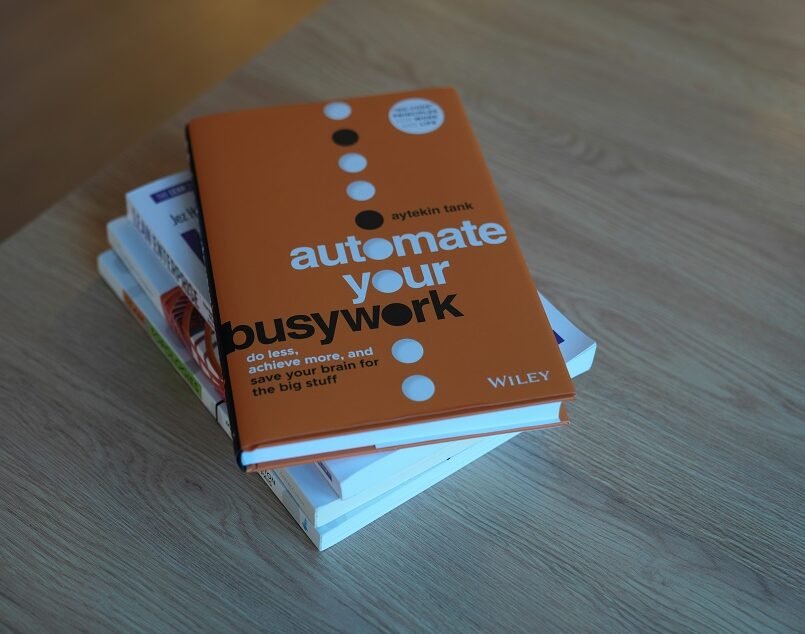
Business efficiency refers to the capability of an organization to achieve maximum output from its resources, effectively utilizing these resources while minimizing waste. This concept is critical in the modern economy, where businesses face intense competition and are continually under pressure to enhance their performance. Achieving a higher level of business efficiency allows companies to meet customer demands promptly, foster innovation, and ultimately improve profitability. In today’s competitive landscape, understanding business efficiency extends beyond merely cutting costs. It encompasses the proficient management of processes, people, and technology to streamline operations. By focusing on core processes and eliminating inefficiencies, organizations can improve overall productivity. For instance, using specific metrics such as throughput, quality rates, and on-time delivery helps measure operational effectiveness and identify areas for improvement.
Moreover, key performance indicators (KPIs) play a significant role in evaluating business efficiency. These metrics can vary by industry but often include measurements related to financial performance, such as return on investment (ROI), profit margins, and operational costs per unit. By analyzing these indicators, businesses can gain insights into their efficiency levels and make informed decisions aimed at optimizing performance.
Additionally, technological advancements, such as automation tools, play a crucial role in enhancing business efficiency. Automated systems can streamline workflows, reduce human error, and improve data accuracy, all of which contribute significantly to an organization’s overall efficiency. As companies seek growth, a focus on business efficiency will enable them to adapt quickly to market changes and better satisfy customer requirements.
The Role of Automation in Business
Automation has become an integral component in the modern business landscape, acting as a catalyst for enhancing operational efficiency. By leveraging various forms of automation, organizations can streamline processes, reduce human error, and allocate resources more effectively. There are multiple types of automation that businesses can implement, each serving distinct purposes tailored to specific operational needs.
Process automation is one prominent category, which involves the use of technology to carry out recurring tasks without human intervention. For instance, a manufacturing company might employ robotic process automation (RPA) to manage assembly line operations, thereby accelerating production cycles while minimizing the chances of mistakes. This enables employees to focus on more complex tasks that require creative problem-solving, enhancing overall productivity.
Another significant area is IT automation, which encompasses tools and software that streamline IT tasks such as system monitoring, software updates, and network management. By automating these routines, organizations can improve their IT service delivery while ensuring systems remain secure and up-to-date. For example, many businesses utilize automated cloud services to manage data backups efficiently, reducing the workload on IT personnel and ensuring business continuity in case of data loss.
Machine learning also plays a vital role in the realm of automation by utilizing algorithms to analyze data and improve decision-making processes. Businesses can adopt machine learning tools for predictive analytics, enabling them to forecast trends and optimize their strategies accordingly. For instance, retail companies employing machine learning can analyze purchasing behaviors to tailor marketing campaigns, thereby improving customer engagement and increasing sales.
In summary, automation not only facilitates efficiency but also empowers organizations to innovate and adapt in a competitive landscape. By incorporating various forms of automation such as process automation, IT automation, and machine learning, businesses can transform their operations and achieve sustainable growth.
Identifying Areas for Automation
To effectively enhance business efficiency through automation, organizations must first assess their operations and pinpoint processes that are suitable for automation. This evaluation process requires a systematic approach, where key questions are raised to guide decision-making. Start by asking: Which tasks are repetitive and time-consuming? Are there particular processes that are prone to errors or require substantial manual oversight? Identifying these elements can highlight prime candidates for automation.
Throughout various sectors, there are common areas where automation can deliver significant improvements. One such area is customer service, which can benefit from automated chatbots and self-service portals. These tools not only streamline customer interactions but also reduce the workload on human agents, allowing them to focus on more complex queries that require personal attention. Furthermore, integrating automation in customer support can enhance response times and overall customer satisfaction.
Another critical area is inventory management. Businesses often struggle with tracking stock levels, processing orders, and forecasting demand effectively. By implementing automated inventory systems, companies can reduce human error, maintain optimal stock levels, and gain insights through data analysis. Furthermore, automated solutions can streamline purchasing processes and facilitate timely reordering, thus minimizing disruptions in supply chains.
Additionally, back-office operations, including payroll processing and data entry, are also ripe for automation. Automating these processes can lead to significant time savings, reduced operational costs, and improved accuracy. Overall, it is crucial for businesses to map out their entire workflow, highlighting repetitive tasks and bottlenecks, as this lays the foundation for identifying specific areas where automation can create the most value.
Choosing the Right Automation Tools
The landscape of technology offers a plethora of automation tools designed to enhance business efficiency. Selecting the right tool is crucial, as it can significantly impact overall productivity and workflow. Among the various options available, understanding the specific features that cater to a business’s needs is essential.
One primary feature to consider is the user interface. An intuitive interface can reduce the learning curve for employees, allowing them to adapt quickly and utilize the tool effectively. Furthermore, features such as integration capabilities with existing systems are vital, as seamless operations between tools can foster improved collaboration and reduce manual errors.
Scalability is another significant aspect when choosing automation tools. As businesses evolve, their needs change as well. Selecting tools that can scale with the organization ensures that the investment remains relevant in the long term. A tool with flexible features that allow customization not only adapts to current requirements but also anticipates future growth, thereby enhancing value.
Moreover, it is important to evaluate the level of customer support offered by the automation tool providers. Access to reliable support can aid in resolving potential issues swiftly, ensuring minimal disruption to business operations. Businesses should also consider reading user reviews and testimonials to gauge the satisfaction levels of existing users.
To determine the best fit, conducting a needs assessment is advisable. Identifying specific challenges within your business will help in narrowing down options. Therefore, prioritizing automation tools that address these challenges, while offering scalability and robust support, is essential for improving overall efficiency.
Implementing Automation Strategies
Implementing automation strategies within a business requires a structured approach to ensure its effectiveness and sustainability. The initial phase involves comprehensive planning, where business leaders assess current workflows, identify inefficiencies, and determine which processes can benefit from automation. This phase should also include setting clear objectives regarding what the automation is expected to achieve, such as cost reduction, improved accuracy, or enhanced employee productivity.
Once a thorough evaluation has been conducted, the execution phase begins. This involves selecting the right automation tools and technologies that align with the identified business needs. It’s crucial to involve team members during this stage, gathering input and insights that can shape how the tools will be integrated into existing systems. Ensuring that the selected tools have the capacity to handle the anticipated workload and scales as the business grows will also be essential.
After executing the automation systems, the next step is testing. Piloting the new processes on a smaller scale allows businesses to recognize potential issues and address them before a full implementation. It’s essential to gather feedback from employees who interact closely with the automated processes, as their insights can help refine functionality and usability.
Monitoring the effectiveness of automation strategies is fundamental to long-term success. Continuous assessment helps track performance metrics, and any bottlenecks or challenges can be identified swiftly. Moreover, clear communication throughout the implementation process plays a key role in fostering a supportive environment for change.
Finally, employee training is a critical aspect of successful automation implementation. Providing adequate training ensures that employees are comfortable using new systems, which can greatly enhance their productivity. A thorough training program emphasizes the importance of understanding automated processes and enables the workforce to adapt effectively, thus ensuring that the automation strategies are followed and utilized to their full potential.
Measuring the Impact of Automation
Measuring the impact of automation on business efficiency is crucial for organizations seeking to optimize their operations. To effectively assess the success of automation initiatives, specific key performance indicators (KPIs) should be established and monitored. These KPIs serve as a benchmark for evaluating the performance and effectiveness of automated processes.
One of the primary KPIs to consider is productivity. This can be measured in terms of output per hour or the number of tasks completed within a specific timeframe. An increase in productivity indicates that automation is successfully enhancing operational efficiency. Another important metric is cost reduction. By analyzing the costs associated with labor, materials, and overhead before and after the implementation of automation, organizations can determine the extent of savings achieved through automated processes.
Additionally, the speed of service delivery can be quantified by measuring turnaround times for various tasks before and after the integration of automation tools. A decrease in turnaround times reflects improved efficiency and customer satisfaction levels. Customer feedback can also serve as a qualitative measure; tracking customer satisfaction scores pre- and post-automation can provide insights into how changes have affected service quality.
Moreover, employee engagement and satisfaction should not be overlooked. Automation might lead to a shift in role responsibilities, potentially affecting workforce morale. Conducting employee surveys or interviews can help gauge their perceptions of automation, allowing businesses to make informed adjustments to ensure a smooth transition.
Once the data is collected, organizations can employ various analytical methods to interpret these metrics. Regular reviews of the collected data will empower business leaders to make informed decisions regarding future automation initiatives, ultimately guiding strategic planning and investment in technology.
Overcoming Challenges in Automation
As organizations increasingly turn to automation to boost efficiency, several challenges can hinder successful implementation. One of the most significant obstacles encountered is resistance from employees. This resistance often stems from fear of job loss and a lack of understanding regarding the benefits of automation. To mitigate this resistance, it is essential for management to communicate openly about the transition, providing clear explanations about how automation will enhance, rather than replace, employees’ roles. Offering training and support can help employees acquire the necessary skills to work effectively alongside automated systems, fostering a more accepting environment.
Another considerable challenge is the high costs associated with automation. Initial investments in technology and systems can be daunting for many businesses, particularly small to medium-sized enterprises. However, it is crucial to view automation as a long-term investment rather than an immediate expenditure. Organizations can conduct thorough cost-benefit analyses to justify investments, highlighting potential savings and productivity gains. Additionally, exploring scalable automation solutions can provide opportunities to implement technology incrementally, thereby reducing financial strain.
Technology limitations can also pose a significant hurdle in the automation journey. Not all businesses have the infrastructure or digital systems in place to support advanced automation tools. To overcome these limitations, organizations should assess their current technological capabilities and identify areas that require improvement to support automation. Leveraging cloud-based solutions can also be beneficial, allowing businesses to access cutting-edge tools without the need for substantial in-house infrastructure. By addressing these challenges, organizations can pave the way for effective automation implementation, leading to enhanced business efficiency.
Case Studies of Successful Automation
In recent years, numerous businesses have embraced automation to streamline operations and enhance productivity. These real-life examples showcase the successful implementation of automation strategies.
One prominent case is that of Company A, a leading e-commerce platform that integrated automated order processing and inventory management. By utilizing sophisticated inventory management software linked with their sales platform, they were able to reduce order processing time by 30%. This automation not only improved customer satisfaction due to faster delivery times but also enabled the workforce to shift their focus from mundane tasks to more strategic initiatives, ultimately fueling business growth.
Another significant case is Company B, a manufacturing firm that adopted automation in its production lines. By incorporating robotic process automation (RPA), the company streamlined various aspects of its manufacturing process. The introduction of robotics enhanced production speed, reduced error rates, and consequently led to a 20% decrease in operational costs. Furthermore, the workforce, which previously spent hours on repetitive tasks, was repurposed for quality control and process optimization roles, greatly improving overall efficiency.
Furthermore, Company C, a financial services provider, leveraged automation in customer support through the implementation of chatbots and automated communication systems. This initiative not only reduced response times by 50% but also allowed the company to provide round-the-clock assistance without increasing overhead costs. With automation handling common inquiries, human agents could concentrate on more complex customer issues, thereby elevating the quality of service provided.
These case studies illustrate how effective automation can drive efficiency and contribute to substantial organizational improvements. By carefully selecting the right tools and strategies, businesses can harness the transformative potential of automation to enhance their productivity and competitive edge.
The Future of Automation in Business
The business landscape is undergoing a transformative shift driven by automation technologies that promise to redefine operational efficiencies and enhance productivity across various sectors. As we move further into the 21st century, emerging trends such as artificial intelligence (AI) and predictive analytics are poised to play a pivotal role in shaping the future of automation in business.
Artificial intelligence is at the forefront of automating complex processes that were previously reliant on human intervention. AI algorithms can analyze vast amounts of data, identify patterns, and provide insights that can lead to informed decision-making. This capability enhances operational efficiency by streamlining workflows, reducing human error, and allowing businesses to focus on strategic initiatives rather than mundane tasks. Automated systems powered by AI can now handle customer inquiries, process transactions, and even predict market trends with remarkable accuracy.
Predictive analytics complements these advancements by enabling businesses to forecast future outcomes based on historical data. By integrating predictive analytics into automation strategies, companies can better anticipate customer needs, optimize inventory management, and mitigate risks. This proactive approach not only improves operational efficiency but also enhances customer satisfaction, as organizations can tailor their services to meet evolving demands.
The advancement of automation technology also raises important considerations regarding workforce dynamics. While automation can lead to job displacement in certain roles, it simultaneously creates opportunities for new positions that require advanced technical skills. As businesses invest in automation, there is a pressing need to foster a workforce that is agile and adept at leveraging these new technologies.
In conclusion, the future of automation in business is bright, marked by innovations that enhance efficiency and redefine operational capabilities. By harnessing the power of artificial intelligence and predictive analytics, businesses can not only streamline operational processes but also position themselves competitively in the ever-evolving market landscape.