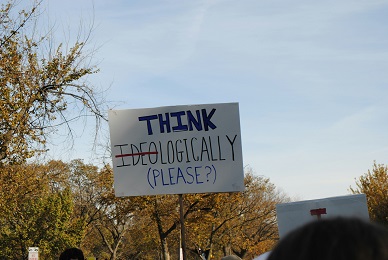




Belief is an integral aspect of the human experience, shaping not only individual identity but also collective societal norms. At the core of belief is the psychological drive for certainty, which influences how individuals interpret information and draw conclusions about their surroundings. This conviction that their views are accurate is often rooted in a complex interplay of cognitive biases, social dynamics, and emotional responses. From an early age, individuals are exposed to various influences that help shape their beliefs. These influences range from family teachings, cultural factors, educational experiences, to peer interactions. As people navigate through life, they accumulate information that reinforces their existing beliefs, creating a self-perpetuating cycle of conviction. Beliefs are not merely passive thoughts; they actively influence perception and interpretation of reality.
Cognitive biases play a critical role in reinforcing one’s belief system. Individuals tend to exhibit confirmation bias, whereby they seek out or prioritize information that aligns with their pre-existing beliefs while dismissing contradictory evidence. This tendency can lead to a narrow understanding of complex issues, reinforcing the notion that their perspective is indeed the correct one.
Additionally, social psychology highlights the influence of group dynamics in shaping beliefs. The phenomenon of groupthink occurs when individuals prioritize consensus over critical evaluation, often leading them to adopt the prevailing views within their social circles. This social reinforcement can further entrench one’s convictions, making it challenging to entertain differing perspectives.
Ultimately, the nature of human belief is a multifaceted construct influenced by a myriad of psychological and social mechanisms. Understanding how people form and maintain their beliefs is essential to dissecting the reasons behind their unwavering confidence in the correctness of their viewpoints.
Cognitive Biases and the Quest for Certainty
Cognitive biases are systematic patterns of deviation from norm or rationality in judgment. They significantly shape our perceptions, influencing how we interpret information and arrive at conclusions. One prevalent cognitive bias is confirmation bias, which causes individuals to favor information that aligns with their pre-existing beliefs and values while disregarding evidence that contradicts them. This bias not only reinforces confidence in one’s beliefs but also perpetuates the notion that one is invariably correct.
Another significant cognitive bias is the Dunning-Kruger effect, wherein individuals with limited knowledge or competence in a particular domain overestimate their own abilities. Conversely, those who are more skilled often underestimate their proficiency. This discrepancy can lead to individuals holding steadfast to their beliefs—even in the face of overwhelming contradictory evidence—resulting in an inflated sense of certainty about being correct.
Furthermore, the availability heuristic, which relies on immediate examples that come to mind, can also distort our perceptions. When people evaluate the probability of events, they tend to overemphasize recent or memorable occurrences rather than objective statistics. Such cognitive shortcuts can lead to misconceptions and contribute to the incorrect assumption that one’s viewpoint is the only viable perspective.
These biases collectively enhance the human tendency to view their beliefs as absolute truths. By creating an illusion of certainty, they affect interpersonal discourse and the sharing of diverse ideas. As individuals grapple with complex realities, recognizing and understanding these cognitive biases can enable a more nuanced perspective, ultimately fostering an environment where varied opinions can be respected and considered on their own merits.
The Role of Social Identity in Belief Systems
The social identity theory posits that an individual’s self-concept is significantly influenced by their membership in various social groups. This theory plays a crucial role in understanding how our beliefs are formed and maintained, shaped primarily by the groups with which we identify. When individuals align themselves with specific groups—be it political, religious, or ideological—they often adopt the beliefs and values prevalent within that group. This phenomenon results in a strong sense of belonging and solidarity among members.
As individuals align with particular groups, their beliefs tend to become more polarized. This can lead to a heightened conviction in one’s opinions, making it difficult for them to consider opposing viewpoints. The social identity not only fosters a sense of community but also incentivizes conformity to the beliefs of the group, as deviating from accepted norms can result in social exclusion. As a result, individuals often feel compelled to defend their group’s beliefs against external critiques, reinforcing their own commitment to those views.
In instances where beliefs clash between differing social groups, members often engage in what is known as “in-group” versus “out-group” mentality. This adversarial stance not only exacerbates divisions but also discourages constructive dialogue. The desire to protect one’s group identity can lead to the dismissal of facts or information that contradict established beliefs. Furthermore, emotional affiliations strengthen this bias, as personal ties to group members tend to validate and magnify the group’s prevailing opinions, further entrenching the belief system.
Ultimately, social identity significantly influences how beliefs are formed, challenged, and defended. Understanding this role is essential for addressing the deeper reasons behind why individuals often perceive their views as superior and are resistant to alternative perspectives.
Influence of Cultural Background on Beliefs
Cultural backgrounds play an integral role in shaping individuals‘ belief systems, influencing their perceptions of what is right and wrong. From the moment we are born, we are largely immersed in the values, traditions, and social norms of the cultures that surround us. These cultural frameworks not only dictate our behaviors but also shape our worldviews, impacting our understanding of ethical issues, political ideologies, and interpersonal relationships.
For instance, cultures that prioritize collectivism tend to promote values such as community, family, and social harmony. In such societies, individuals may perceive being ‘right’ as aligning with group norms or consensus, leading to a collective understanding of correct behavior. In contrast, more individualistic cultures often emphasize personal autonomy and self-expression, where ‘rightness’ is frequently associated with personal opinions and individual rights. Hence, a person’s assertion of being correct can vary significantly across cultural lines.
Moreover, exposure to diverse cultural narratives can challenge and expand one’s belief systems. When individuals engage with different cultural perspectives, they may begin to recognize that their understanding of rightness is not universal but rather a subjective interpretation influenced by their cultural upbringing. This exposure can foster empathy and reduce ethnocentrism, leading to a more nuanced perspective on disputes over what is considered right. The recognition that beliefs are shaped by cultural contexts invites a broader discussion on tolerance and acceptance of differences.
In conclusion, the interplay between cultural background and belief formation underscores the complexity of human attitudes. Understanding that our beliefs are deeply rooted in cultural influences allows for greater dialogue and aids in addressing conflicts that arise from differing perceptions of rightness. By acknowledging these differences, individuals can foster more informed and respectful discussions about beliefs in an increasingly interconnected world.
The Impact of Emotions on Our Beliefs
Emotions play a pivotal role in shaping and reinforcing our beliefs. When individuals form beliefs, they often do so not merely through logical reasoning but through the emotional context that surrounds them. For instance, a strong sense of pride in one’s affiliations, whether ideological or cultural, can create a deep emotional attachment to particular beliefs. This attachment then becomes fortified over time, as people begin to identify themselves with these beliefs, making them resistant to change.
Moreover, fear is another significant emotional factor that can cloud judgment. When people perceive a threat—be it real or imagined—they often cling more tightly to their existing beliefs as a means of coping. This defense mechanism can lead to a significant bias in processing information, as individuals might selectively interpret data that aligns with their fears while dismissing contradicting evidence. Such behavior is particularly evident in discussions around contentious issues, where fear can overshadow reasoned debate.
Likewise, feelings of anger can also intensify one’s commitment to a belief. When a person feels attacked or criticized for their views, it often sparks a defensive reaction. This reaction tends to escalate emotions, leading to a further entrenchment in their positions. As a result, individuals not only bolster their stance but also become embroiled in a cycle where opposing viewpoints are met with emotional hostility, rather than constructive dialogue.
In summary, understanding the emotional landscape surrounding our beliefs is crucial. Emotions like pride, fear, and anger not only influence how we form beliefs but also how we defend them. Awareness of these emotional influences can lead to more open-minded discussions and tolerance for differing perspectives.
The Echo Chamber Effect: Risk or Reward?
The echo chamber effect refers to a phenomenon in which individuals are primarily exposed to information and opinions that reinforce their existing beliefs. This effect is particularly prevalent in the context of social media and digital platforms, where algorithms curate content that aligns with users’ past behaviors and preferences. As a result, many find themselves encased in environments that limit exposure to diverse perspectives.
One significant risk associated with the echo chamber effect is the reinforcement of biases. When individuals predominantly encounter information that confirms their pre-existing views, it becomes increasingly challenging to critically assess alternative viewpoints or engage in constructive discourse. This can lead to polarization, where differing beliefs become more extreme, fostering an atmosphere of hostility rather than understanding. Moreover, the weakening of critical thinking skills, as a result of being shielded from challenging ideas, poses a threat to informed decision-making within society.
Despite these dangers, there are potential rewards associated with echo chambers as well. For some, belonging to a community that shares similar beliefs can provide comfort and validation. It fosters a sense of identity and solidarity among members, which can be particularly appealing during times of uncertainty or upheaval. Furthermore, echo chambers can empower marginalized voices that are often overlooked by mainstream media, giving them a platform to express their views and advocate for change.
Ultimately, the impact of the echo chamber effect is multifaceted, encompassing both risks and rewards. As individuals navigate to distinct communities within the digital landscape, it becomes paramount for them to actively seek out varied perspectives and engage thoughtfully with differing viewpoints to mitigate the risks associated with being ensnared in an echo chamber.
Conflict and Disagreement: The Challenge of Being Wrong
Conflict and disagreement are inherent aspects of human interaction, often arising from differing beliefs, values, or perspectives. When individuals are confronted with opposing views, reactions can vary widely. Many instinctively respond defensively, as the prospect of being wrong challenges their self-perception and worldview. This defensive posture is not merely a product of pride; it is deeply rooted in psychological discomfort and the fear of social disapproval.
The discomfort associated with being wrong can trigger a range of emotional responses. Feelings of anxiety and inadequacy may surface, prompting individuals to cling even more tightly to their beliefs. This phenomenon is often exacerbated by cognitive dissonance, a psychological concept that describes the mental conflict experienced when confronted with information that contradicts established beliefs. To alleviate this discomfort, individuals may distort facts, dismiss contrary evidence, or engage in personal attacks against those who challenge their views. As a result, dialogue may devolve into a battleground, where each party is focused on winning the argument rather than understanding the other side.
Moreover, the social implications of being wrong can propel individuals into a defensive posture. Society often reveres correctness, and admitting error can be perceived as a personal failure. This societal pressure reinforces a reluctance to acknowledge mistakes, creating an environment where conflict flourishes. In professional settings, this can impede collaboration and hinder innovation, as team members may prioritize preserving their egos rather than addressing issues constructively.
To navigate these challenges, fostering a culture that encourages open dialogue and embraces the potential for being wrong is essential. This shift in mindset can help alleviate the psychological discomfort associated with disagreement, leading to more productive interactions and greater understanding among individuals.
Strategies for Open-Mindedness and Critical Thinking
Fostering open-mindedness and developing critical thinking skills are essential in today’s multifaceted world. Engaging with differing viewpoints can enhance understanding and facilitate effective communication. One of the foremost strategies is to consciously challenge personal beliefs. Approach discussions not as a battleground to defend your stance, but as an opportunity to learn from others. By doing so, each conversation can serve as a platform for growth rather than conflict.
Another useful tactic is to cultivate curiosity. Ask questions that promote deeper understanding rather than merely seeking to confirm your pre-existing opinions. Questions like “What led you to that belief?” or “How might I see this issue from your perspective?” encourage introspection and dialogue, paving the way to broadening one’s outlook. This approach not only allows for better engagement but also enriches your own critical thinking capabilities.
Engaging in constructive debates is also crucial for developing open-mindedness. When encountering differing views, focus on the arguments rather than the individual making them. This can sometimes involve setting aside personal biases—achieving this might require active listening and empathy, recognizing the validity of the other person’s experiences and emotions. Moreover, it can be beneficial to reflect on the reasoning behind opposing views; this reflection promotes a deeper understanding of both sides of an argument.
Another approach is through regular exposure to diverse sources of information and media. Diversifying reading materials—from opinion pieces to academic research—can expose individuals to a variety of perspectives. Whether it’s through books, podcasts, or engaging with people from different backgrounds, this exposure can significantly contribute to a more flexible mindset.
In summary, strategies aimed at fostering open-mindedness and enhancing critical thinking skills contribute to better conversations and understanding. By embracing curiosity, engaging constructively, and exploring diverse perspectives, individuals can cultivate a more open and critical mindset.
Conclusion: Embracing Uncertainty in a Right-Wrong World
As we navigate the complex world of beliefs and opinions, it becomes increasingly clear that the perception of certainty is often misleading. Throughout this discussion on why everyone thinks they are right, we have explored the cognitive biases that shape our convictions and the role of social influences in reinforcing these beliefs. It is imperative to recognize that while individuals may hold steadfast views, the reality of any situation is rarely as black and white as it appears.
The tendency to assume our beliefs are unequivocally correct can stem from various sources, including psychological defense mechanisms and societal pressures. Embracing uncertainty requires a conscious effort to step back and analyze our thought processes, acknowledging that the complexity of human experience often transcends simplistic right-wrong dichotomies. This shift in perspective invites us to consider alternative viewpoints and fosters a more nuanced understanding of differing beliefs.
Moreover, the willingness to accept that we might be wrong presents an opportunity for growth and learning. By engaging in open dialogues, we can challenge our assumptions and encourage others to do the same. It is through this intellectual humility that we may cultivate a richer discourse, one that values diverse perspectives rather than dismissing them. The essence of personal and collective growth lies not in clinging to the certainty of our opinions, but rather in the exploration of the unknown.
In conclusion, acknowledging the complexity and uncertainty inherent in human beliefs not only enriches our understanding but also paves the way for more constructive interactions. As we strive for clarity in our thoughts, we must remember that embracing the possibility of being wrong can lead to deeper insights and foster a more open-minded world.