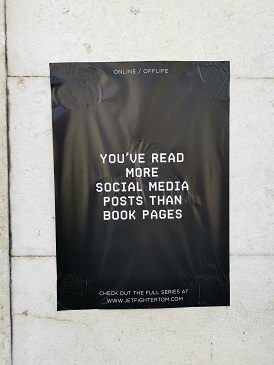
In the contemporary digital landscape, online opinions have emerged as a significant force shaping public perception and influencing decision-making across various spheres. Internet-driven platforms, such as social media, forums, and review websites, allow individuals to share their perspectives widely, thus democratizing the dissemination of thoughts and insights. This shift in how opinions are shared has created a diverse tapestry of voices that span different demographics and backgrounds. The emergence of platforms like Twitter, Facebook, and Reddit has facilitated the rapid exchange of ideas, enabling users to both express and receive opinions promptly. The impact of online opinions is particularly noticeable in sectors such as commerce, where consumer reviews can dictate a product’s market success or failure. As potential buyers increasingly rely on these testimonies, the significance of public opinion in shaping purchasing behavior becomes undeniable.
Furthermore, online opinions transcend traditional boundaries of expertise. In the past, individuals would seek guidance from established authorities, such as professionals or experts in a given field. Now, a person with no formal qualifications can gain substantial attention and following by sharing relatable experiences or unique viewpoints. This paradigm shift has not only elevated the voices of everyday individuals but has also raised critical questions regarding credibility and the reliability of online sources.
The increasing prominence of online opinions highlights their potential power and influence. From shaping political ideologies to driving social movements, the collective insights shared on digital platforms are reshaping the way people interact with one another and the world around them. In this context, understanding the value of these opinions—while also considering their implications for society—becomes essential for navigating today’s interconnected social landscape.
The Rise of Social Media Influence
In recent years, social media has undeniably emerged as a primary source of information and opinions, reshaping how we consume and understand news and trends. Platforms such as Twitter, Facebook, and Instagram have become central to public discourse, often serving as the first point of contact for breaking news and current events. The rapid dissemination of information on these platforms allows for a variety of viewpoints to be shared instantly, influencing public perception in profound ways.
Twitter, for instance, has developed a unique culture where opinions can go viral within minutes, leading to significant influence on public sentiment. Hashtags create a space for dialogue around specific issues, rallying individuals to amplify voices that might otherwise remain unheard. The notion of trending topics serves to highlight what is deemed important, often swaying public opinion based on what captures collective attention at any given time.
Similarly, Facebook’s algorithms curate content that is tailored to user preferences, further reinforcing existing opinions and facilitating echo chambers. The sharing capabilities on this platform enable information to spread swiftly, blurring the lines between personal opinion and valid news. Instagram, predominantly a visual platform, uses imagery and influencers to shape perceptions, often presenting idealized versions of reality that followers aspire to emulate.
This phenomenon raises critical questions about the reliability of the information we receive. As social media becomes increasingly integrated into daily life, users may find themselves relying more on online opinions rather than seeking out traditional sources of information. The implications of this shift are significant, as the nature of truth and credibility evolves in a landscape dominated by likes, shares, and retweets.
The Psychology Behind the Dependence
The reliance on online opinions can be fundamentally traced back to various psychological mechanisms that drive human behavior. One significant concept is social proof, which suggests that individuals often look to the behaviors and opinions of others to guide their own actions, especially in ambiguous situations. This phenomenon becomes particularly pronounced in online environments where vast amounts of information are available, leading users to seek out confirmation from their digital peers.
Furthermore, the herd mentality plays a critical role in influencing opinions. When individuals observe a majority of people endorsing a particular viewpoint or product online, they are often compelled to align with that opinion. This can stem from a deep-seated desire for social conformity and the innate fear of social exclusion. The digital space amplifies this tendency, as platforms offer visibility into the preferences and ratings of others, reinforcing the idea that popular opinions are likely ‘correct’ or acceptable.
Another vital factor is the human need for acceptance and belonging. Social media and online forums create an environment where individuals can seek validation for their thoughts and feelings. Users post content and, in return, await feedback in the form of likes, shares, and comments. This exchange can significantly affect self-esteem and self-worth, leading individuals to depend heavily on external validation. Thus, the psychological dynamics at play highlight a compelling dependency on online opinions, which can dictate personal choices, beliefs, or purchasing decisions, often more than one might anticipate.
Impact on Decision Making
The influence of online opinions on decision-making has become increasingly prominent in contemporary society. From consumer purchasing choices to political affiliations, the digital landscape profoundly shapes how individuals and groups arrive at their conclusions. As more people turn to social media platforms, review websites, and forums, the validity of online opinions often supersedes traditional sources of authority.
For instance, a recent survey indicated that 79% of consumers trust online reviews as much as personal recommendations, showcasing a shift towards digital validation before making purchasing decisions. This reliance is not just limited to products; it extends to services, hotels, and even experiences, where ratings and comments can significantly sway potential customers. Furthermore, algorithms that curate content on social platforms can create echo chambers where individuals are repeatedly exposed to similar opinions, reinforcing existing beliefs rather than challenging them.
Similarly, in the realm of political decision-making, online opinions can significantly influence public discourse. The rise of social media as a primary news source has led to an overwhelming volume of information, where the lines between fact and opinion are increasingly blurred. A study from a leading communication journal noted that individuals who engage with politically charged content online are more likely to hold extreme views, potentially alienating them from moderate perspectives. The virality of opinions can amplify misinformation, leading to skewed perceptions of reality, which can have dire consequences on democracy and civic engagement.
In summary, the impact of online opinions on both consumer and political decision-making processes is profound. The increasing credence given to these opinions highlights a fundamental shift in how decisions are made, warranting a critical examination of the credibility of sources and the importance of basic media literacy.
The Role of Algorithms and Echo Chambers
The emergence and proliferation of social media platforms have irrevocably transformed the landscape of information dissemination. At the core of this transformation are sophisticated algorithms that curate content tailored to individual preferences. These algorithms analyze user behavior, preferences, and interactions, subsequently promoting content that aligns with pre-existing beliefs. Such practices have significant implications for the diversity of information that individuals are exposed to, often resultantly creating echo chambers.
Echo chambers are environments in which individuals encounter only information that reinforces their existing views, thereby limiting exposure to alternative perspectives. This phenomenon occurs as social media users naturally gravitate towards like-minded communities, where shared opinions bolster the sense of confirmation bias. Consequently, algorithms prioritize content that matches users’ established beliefs, further entrenching these viewpoints and diminishing the likelihood of encountering dissenting opinions.
The ramifications of echo chambers extend beyond mere personal experience; they have profound implications for societal discourse and democracy. When users are encased within these digital silos, the diversity of thought diminishes significantly, potentially skewing public perception and hindering constructive dialogue. The lack of contrasting opinions can lead to stagnation in critical thinking and the development of extreme viewpoints, as individuals become less resilient to opposing arguments and evidence.
Moreover, the reinforcement of partisan narratives through algorithmic curation can exacerbate societal divisions. These divisions become more pronounced as individuals view their social media feeds as reflections of reality, leading to polarized communities that struggle to find common ground. Hence, the consequences of this selective exposure to information emphasize the urgent need for more robust discussions regarding the responsibility of tech companies in ensuring a diversity of viewpoints in the digital sphere.
Positive Aspects of Online Opinions
The advent of the internet has transformed the way individuals engage with various topics and issues, leading to a significant reliance on online opinions. Among the positive aspects of this dependency is the enhancement of awareness concerning social issues. In a digital age where information disseminates rapidly, social media platforms and online forums have become crucial outlets for discussing pressing matters. This wide-ranging visibility enables individuals to identify societal problems, recognize injustices, and mobilize collective action, resulting in informed communities.
Moreover, online opinions provide access to a plethora of diverse viewpoints. Unlike traditional media, which often showcases a limited range of perspectives, online platforms foster an environment where users can share their thoughts, experiences, and knowledge. This diversity not only enriches discussions but also helps individuals develop a more rounded understanding of complex topics. For instance, individuals from different cultural backgrounds can share their narratives, leading to greater empathy and awareness. Accessing these varied opinions can challenge personal biases and encourage critical thinking, which is essential for personal growth and societal progress.
Additionally, online opinions can foster a sense of community support. Many individuals benefit from connecting with like-minded people through online platforms, where they can express their views and receive encouragement. In times of crisis or uncertainty, such as during the global pandemic, people have turned to online communities for comfort and guidance. These networks can empower individuals, as they feel validated and supported by others who share similar experiences or challenges. Thus, while concerns about over-dependence on online opinions certainly exist, their positive aspects cannot be overlooked, as they play a pivotal role in shaping public discourse and fostering connections across divides.
The Risks of Over-Reliance on Online Opinions
The increasing prevalence of online opinions has reshaped the way individuals consume information. While the internet provides unprecedented access to various viewpoints, this over-reliance poses significant risks. One of the most pressing concerns is the proliferation of misinformation. With the ease of content sharing, erroneous or misleading information can spread rapidly, often challenging established truths. Users may inadvertently promote these inaccuracies, impacting public perception and decision-making.
Moreover, the manipulation of online opinions is another critical issue. Various entities, ranging from political actors to businesses, exploit algorithms to shape public sentiment in their favor. Through targeted advertising and content curation, individuals can find themselves ensnared in echo chambers, where only reinforcing opinions are presented. This manipulation compromises the integrity of information consumed and can lead to skewed perspectives that fail to engage with differing viewpoints.
In addition, an increased dependence on online opinions can result in diminished critical thinking skills. Instead of engaging in thorough analysis, individuals may become complacent, accepting online opinions as facts without scrutinizing the evidence. This trend towards passivity in information consumption can stifle an individual’s ability to think critically and assess the validity of arguments. By harboring a culture where online opinions are seldom challenged, society may inadvertently embrace a narrow-minded approach to understanding complex issues.
Ultimately, while online opinions can foster discussion and community engagement, it is essential to remain vigilant against the inherent risks. Recognizing the potential for misinformation, manipulation, and the erosion of critical thinking will enable individuals to cultivate a more discerning approach to information consumption.
Strategies for Balanced Consumption
In an age where information is readily available and opinions circulate rapidly online, it is crucial to develop strategies for balanced consumption of these views. Consumers of online content must engage critically with the information they encounter to avoid falling into the trap of misinformation or echo chambers. A foundational step in this process is fostering media literacy, which involves understanding not only the content but also the context in which it appears. Media literacy encourages individuals to ask questions about the sources and the motivations behind the opinions shared.
Cross-referencing sources is another essential strategy. When evaluating online opinions, readers should seek out multiple viewpoints before forming a judgment. This practice can help in identifying any biases, contradictions, or unsupported claims within a single narrative. Engaging with a diversity of sources increases the likelihood of arriving at a well-rounded understanding of a given topic. Utilize reputable news outlets, academic articles, and publications known for rigorous fact-checking to diversify the perspectives consumed.
Moreover, nurturing independent thinking is vital in ensuring balanced consumption of online opinions. Readers should strive to develop their own perspectives rather than solely absorbing prevalent opinions. Discussions with peers, reflective writing, or even simple contemplation can support this process. By considering alternative viewpoints and evaluating them alongside personal beliefs, individuals can resist the influence of dominant narratives. While it can be tempting to follow popular opinion trends online, fostering a mindset that prioritizes critical evaluation over conformity is beneficial.
Through the implementation of these strategies—media literacy, cross-referencing sources, and encouraging independent thought—individuals can cultivate a more nuanced and thoughtful approach to consuming online opinions. This proactive stance contributes to informed decision-making and resilience against potentially misleading information.
Conclusion: Finding a Healthy Balance
In the digital age, the accessibility of online opinions has profoundly influenced our decision-making processes. As we have explored throughout this discussion, while the internet can be a valuable resource for diverse viewpoints, an overreliance on such information may lead to diminished critical thinking skills and increased conformity to popular narratives. Striking a balance is essential for fostering our individual discernment, allowing us to appreciate external opinions while still maintaining our unique perspectives.
One way to cultivate this balance is by actively engaging in reflective practices when consuming content. Instead of passively absorbing information, individuals should consider questioning the validity of the opinions encountered. Who is presenting the information? What biases may exist within those views? Such inquiries can aid in identifying credible sources and building a more nuanced understanding of the topic at hand.
Additionally, diversifying the sources of information can offer a more rounded view that diminishes the impact of echo chambers where similar opinions are amplified. Engaging with varied content, whether through podcasts, articles, or discussion forums, can enrich our understanding and encourage us to evaluate opinions critically. It is also vital to prioritize face-to-face interactions and dialogues, which can foster genuine connections and provide depth beyond the superficiality often found in online exchanges.
Ultimately, finding a healthy balance between valuing online opinions and applying our reasoning is crucial. By doing so, individuals can leverage the benefits of the digital age while preserving their autonomy in thought and judgment. Reflecting on one’s own consumption patterns of online content can promote personal growth and contribute to a more informed society, adept at navigating the complexities of public discourse.