



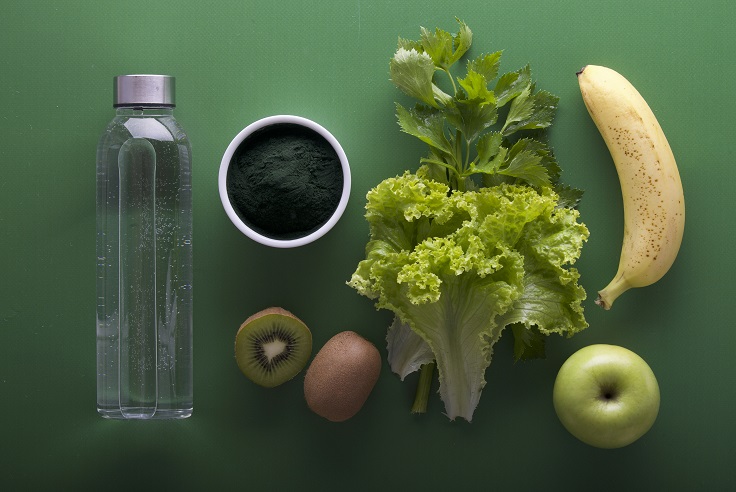
Superfoods are often defined as nutrient-dense foods that provide significant health benefits due to their high levels of vitamins, minerals, and antioxidants. These foods are characterized by their exceptional nutritional profiles, which set them apart from other food choices. They play a crucial role in modern nutrition by offering an efficient means to boost overall health and well-being. The significance of superfoods lies in their potential to enhance immunity, increase energy levels, and improve overall health. Research indicates that many superfoods are also rich in phytochemicals, compounds found in plants that possess beneficial properties. These characteristics make the consumption of superfoods valuable for individuals looking to optimize their diets and promote long-term health. Common examples of superfoods include berries, leafy greens, nuts, seeds, and various whole grains. For instance, blueberries are often hailed for their high antioxidant content, which may help combat oxidative stress in the body. Leafy greens like kale and spinach are recognized for their rich concentrations of vitamins K, A, and C, each contributing to various bodily functions such as bone health and immune support. Additionally, superfoods are recognized for their potential impact on chronic diseases. As part of a balanced diet, these foods may lower the risk of conditions such as heart disease, diabetes, and certain cancers. Incorporating superfoods into your daily meals not only enhances the nutritional quality of your diet but also fosters a proactive approach to maintaining health.
List of Top Superfoods
Superfoods have gained immense popularity, owing to their high nutritional density and purported health benefits. Incorporating these foods into your diet can be a beneficial strategy for enhancing overall well-being. Below is a comprehensive list of some of the top superfoods that you should consider adding to your daily meals.
First on the list is blueberries. These small, vibrant fruits are packed with antioxidants, particularly anthocyanins, which have been shown to help combat oxidative stress and inflammation. Regular consumption of blueberries can support heart health and improve cognitive function.
Next, kale, often referred to as a nutritional powerhouse, is rich in vitamins A, C, and K, along with essential minerals. This leafy green is also an excellent source of fiber, which aids digestion and contributes to a healthy gut. Kale can easily be incorporated into salads, smoothies, or as a cooked side dish.
Quinoa stands out as a grain, offering a complete protein source with all nine essential amino acids. This gluten-free superfood is also rich in fiber, magnesium, and various vitamins, making it an excellent base for salads or main dishes.
Avocado is another superfood that has gained fame due to its healthy fats, particularly monounsaturated fats that are beneficial for heart health. Its creamy texture and versatility in various dishes—from spreads to salads—make it a favorite among health enthusiasts.
Chia seeds are remarkably nutrient-dense, packed with omega-3 fatty acids, fiber, and protein. They are known for their ability to absorb water and expand, which can help in promoting a feeling of fullness when added to meals.
Another noteworthy superfood is salmon. Rich in omega-3 fatty acids and high-quality protein, salmon plays a crucial role in heart and brain health. Regularly consuming salmon can contribute to reduced inflammation and improved cardiovascular function.
Finally, broccoli, a cruciferous vegetable, is well-regarded for its cancer-fighting properties and high levels of vitamins K and C. Its versatility allows it to be enjoyed in salads, stir-fries, and soups.
Add these superfoods to your diet to harness their health benefits, nutritional richness, and culinary versatility. In the following sections, we will explore the individual benefits of each superfood in greater detail.
Blueberries: A Tiny Powerhouse
Blueberries are often celebrated as one of the most nutritious fruits available, packed with a diverse array of health benefits. These small, round berries are particularly recognized for their high antioxidant content, which is crucial in combating oxidative stress in the body. The antioxidants in blueberries, such as anthocyanins, contribute not only to their rich color but also to their ability to neutralize free radicals, potentially reducing the risk of chronic diseases.
One of the notable health benefits of consuming blueberries is their possible anti-inflammatory properties. Chronic inflammation is considered a key factor in various health conditions, including heart disease, diabetes, and neurodegenerative disorders. Regularly incorporating blueberries into your diet may help to modulate inflammatory responses within the body, promoting overall wellness.
Furthermore, research has indicated that blueberries may play a significant role in reducing the risk of heart disease. Studies suggest that the regular consumption of blueberries can lead to improved cholesterol levels and blood pressure regulation. This effect can be attributed to their fiber content along with various bioactive compounds that enhance cardiovascular health.
Additionally, blueberries have been linked to cognitive benefits. Evidence indicates that these berries may support brain health and reduce the chances of cognitive decline as one ages. Some trials have demonstrated improvements in memory and overall cognitive function associated with blueberry consumption, suggesting that these tiny powerhouses can contribute to mental sharpness.
Incorporating blueberries into your diet can be simple and enjoyable, whether added to smoothies, salads, or enjoyed as a snack on their own. With such an impressive profile of health benefits, blueberries undoubtedly deserve a spot in your nutritional regimen.
Kale: A Nutritional Giant
Kale has earned its reputation as a superfood due to its impressive nutrient profile. This leafy green belongs to the cruciferous vegetable family, which also includes broccoli and Brussels sprouts, and is packed with vitamins and minerals essential for maintaining good health. One of the most notable benefits of kale comes from its high content of vitamins A, C, and K, all of which play significant roles in bodily functions. Vitamin A is important for vision and immune function, while vitamin C helps in collagen formation and acts as an antioxidant. Meanwhile, vitamin K is crucial for proper blood clotting and bone health.
In addition to being a vitamin powerhouse, kale is an excellent source of dietary fiber. This nutrient is known for its role in promoting healthy digestion and maintaining bowel regularity. Including fiber-rich foods like kale in your meals can help prevent digestive issues, such as constipation, and support overall gastrointestinal health. Furthermore, the fiber content can also contribute to a feeling of fullness, making kale an ideal addition for those looking to manage their weight.
Incorporating kale into your diet can be both simple and delicious. One popular method is to use it as a base for salads, where it can be massaged with olive oil and lemon juice to soften its texture. Additionally, kale can be added to smoothies for a nutritious boost, providing a vibrant green color without overpowering the flavor. For those who prefer cooked options, sautéing kale with garlic or incorporating it into soups and stews can enhance both taste and nutrient absorption. As you explore the myriad ways to enjoy kale, you will likely find that this versatile superfood can easily become a staple in your culinary repertoire.
Quinoa: The Protein-Rich Grain
Quinoa, often referred to as a superfood, has gained immense popularity due to its remarkable nutritional profile. Unlike many plant-based foods, quinoa is a complete protein source, containing all nine essential amino acids necessary for human health. This feature makes it especially valuable for vegetarians and vegans seeking to obtain adequate protein in their diets. Furthermore, quinoa is gluten-free, making it an excellent alternative for those with gluten sensitivities or celiac disease.
The amino acid profile of quinoa includes significant amounts of lysine, which is often lacking in other grains. This quality enhances its appeal as a versatile ingredient that can be incorporated into various dishes. Whether served as a side, used in salads, or blended into breakfast porridge, quinoa seamlessly adapts to different flavors and cuisines. It can also be ground into flour for baking or used as a base for pilafs and grain bowls, showcasing its culinary flexibility.
Beyond its protein content, quinoa is a rich source of vitamins, minerals, and antioxidants. It provides key nutrients such as magnesium, iron, and B vitamins, contributing to overall health and well-being. The consumption of quinoa may also promote heart health, support weight management, and improve digestive health due to its high fiber content. Moreover, its low glycemic index makes it suitable for individuals looking to maintain stable blood sugar levels.
In conclusion, incorporating quinoa into your diet can not only enhance your meals but also provide a multitude of health benefits. Its protein richness, gluten-free nature, and versatility solidify quinoa’s status as a staple superfood worth considering for anyone aiming to improve their nutritional intake.
Chia Seeds: The Tiny Nutrition Bombs
Chia seeds are often hailed as a superfood due to their impressive nutritional profile. These tiny seeds, derived from the Salvia hispanica plant, are packed with essential nutrients that can benefit a wide range of individuals, making them a remarkable addition to any diet. One of their most notable features is their high content of omega-3 fatty acids, which play an essential role in promoting heart health. Omega-3s are known to reduce inflammation and lower cholesterol levels, thereby contributing to cardiovascular wellness.
In addition to omega-3s, chia seeds are exceptionally rich in dietary fiber. Just two tablespoons of chia seeds contain about 10 grams of fiber, which can help support digestive health and improve feelings of fullness. This can be particularly beneficial for those looking to manage their weight or regulate blood sugar levels. The soluble fiber in chia seeds also helps to stabilize blood sugar levels by slowing down the absorption of carbohydrates, making them an excellent choice for individuals aiming for balanced energy levels throughout the day.
Integrating chia seeds into your daily diet is simple and versatile. They can be added to smoothies, oatmeal, or yogurt for a nutritious boost. Additionally, chia seeds can be used to create a unique pudding by soaking them in milk or a milk alternative, allowing them to swell and take on a gel-like consistency. This can serve as a delicious and healthy dessert option. Other creative ways to use chia seeds include adding them to baked goods, such as muffins or bread, or sprinkling them over salads and soups for an extra crunch.
Avocado: The Healthy Fat Source
Avocado, commonly recognized for its creamy texture and distinct taste, is a remarkable superfood that is rich in heart-healthy fats. Unlike most fruits, avocados are low in sugar and high in monounsaturated fats, which contribute to cholesterol regulation and cardiovascular health. This unique composition makes avocados a valuable addition to a healthy diet.
Nutrient density is another hallmark of avocados. They are packed with essential vitamins and minerals, including potassium, vitamin E, and various B vitamins. The high content of potassium helps regulate blood pressure, while vitamin E acts as a powerful antioxidant, protecting the body from oxidative stress. Additionally, the fiber found in avocados supports digestive health and promotes satiety, making them an excellent choice for those seeking to manage their weight.
Moreover, avocados offer remarkable benefits for skin and hair health. The healthy fats in avocados help to maintain skin elasticity and hydration. Applying mashed avocado topically can also soothe dry skin and provide a natural glow. When consumed, avocados can contribute to healthy hair, as they supply essential fatty acids and vitamins that nourish hair follicles.
Integrating avocados into your daily meals can be both creative and enjoyable. They can be sliced and added to salads or toasted bread, blended into smoothies for creaminess, or even used as a healthy alternative to butter in baking. Avocado can also serve as the base for dips, such as guacamole, which pairs perfectly with various dishes. By incorporating this versatile fruit, you can elevate the nutritional profile of your meals while enjoying its delightful taste.
Salmon: The Omega-3 Fish
Salmon is widely recognized as one of the most beneficial superfoods, particularly due to its high content of omega-3 fatty acids. Omega-3s are essential fats that our bodies cannot produce independently, making them critical components of a healthy diet. Incorporating salmon into your dietary regimen can significantly contribute to improved brain, heart, and joint health.
Research indicates that omega-3 fatty acids found in salmon, such as EPA and DHA, play a pivotal role in cognitive function. They support brain health by promoting neuron membrane integrity and may even reduce the risk of neurodegenerative diseases, including Alzheimer’s. This brain-boosting benefit can greatly improve mental clarity and cognitive performance.
Furthermore, salmon’s rich omega-3 content has been linked to lower rates of heart disease. These fatty acids help to reduce inflammation, lower blood pressure, and improve overall heart health. Regular consumption of omega-3 rich foods like salmon can lead to better cholesterol levels, making it an excellent choice for maintaining cardiovascular health.
In addition to its brain and heart benefits, the anti-inflammatory properties of salmon may alleviate joint pain and stiffness, particularly for those suffering from conditions like arthritis. These compounds can contribute to greater mobility and enhanced quality of life, allowing individuals to engage more fully in daily activities.
When it comes to preparing salmon, there are numerous cooking methods that preserve its nutrients while enhancing its flavor. Baking, grilling, or pan-searing are all great options, each offering a different taste profile. For a simple preparation, consider marinating the salmon in lemon juice, garlic, and herbs before cooking. This not only adds flavor but also complements its health benefits. Pair your salmon dish with a side of vegetables or whole grains for a balanced meal.
Conclusion: Embracing Superfoods
Incorporating superfoods into your daily diet is not just a trend, but a significant step towards enhancing your overall health and wellbeing. These nutrient-dense foods are rich in vitamins, minerals, and antioxidants, making them essential components for a balanced diet. From berries rich in antioxidants to leafy greens packed with vitamins, superfoods offer a diverse array of health benefits that can bolster your immune system and contribute to longevity.
The benefits of adding these foods to your meals are manifold. Superfoods can aid in weight management, enhance digestion, and support heart health. For instance, avocados provide healthy fats that promote cardiovascular health, while nuts are an excellent source of protein and fiber. Moreover, incorporating superfoods can lead to improved energy levels and clarity of mind due to their high nutrient content.
Furthermore, the versatility of superfoods makes them easy to integrate into a variety of dishes. Whether you blend spinach into a smoothie, sprinkle chia seeds over your yogurt, or include quinoa in a salad, the possibilities are endless. Experimenting with these foods can also inspire creativity in cooking, making healthy eating an enjoyable journey rather than a chore.
Ultimately, embracing superfoods can lead to long-term health improvements and a more vibrant lifestyle. By making a conscious effort to include these powerful foods in your meals, you are investing in your health and wellbeing. So, as you reflect on the various options available, consider your preferences and lifestyle, and strive to make superfoods a staple in your dietary choices. The positive impact on your health can be substantial and rewarding.