



Modern businesses depend heavily on stable electrical systems to maintain productivity, protect equipment, and support daily operations. From manufacturing plants and healthcare facilities to data centers and retail stores, even a short power interruption can lead to financial losses, operational delays, and safety concerns. As energy demands continue to increase, organizations are placing greater importance on infrastructure planning to ensure long term power reliability.
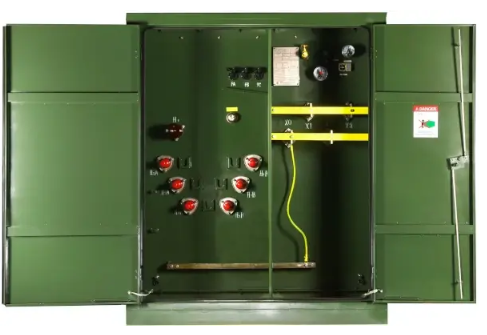
A well designed electrical system often includes components such as a 3 phase pad mounted transformer, backup power systems, modern monitoring technologies, and strategic maintenance planning. Together, these elements help businesses reduce outages, improve efficiency, and support future growth without unnecessary disruptions.
Understanding the Importance of Power Reliability
Power reliability refers to the ability of an electrical system to consistently deliver stable electricity without interruptions or fluctuations. Businesses rely on dependable power for machinery, computers, communication systems, refrigeration, lighting, and security systems.
Poor reliability can create several operational problems, including:
- Production downtime
- Damage to sensitive equipment
- Data loss
- Reduced employee productivity
- Increased maintenance costs
- Customer dissatisfaction
Industries that depend on continuous operations are especially vulnerable to power disturbances. Manufacturing facilities, logistics hubs, hospitals, and technology companies often require infrastructure planning that supports uninterrupted electrical supply even during emergencies.
The Role of Infrastructure Planning in Electrical Stability
Infrastructure planning involves designing and organizing electrical systems that can handle current and future operational demands. Businesses that fail to plan for expansion or changing energy needs often experience overloaded systems and frequent interruptions.
Effective planning typically focuses on:
- Electrical load forecasting
- Equipment selection
- Distribution system design
- Redundancy planning
- Maintenance scheduling
- Energy efficiency improvements
A proactive approach allows businesses to identify potential weaknesses before they develop into larger operational problems.
Choosing the Right Distribution Equipment
Electrical distribution equipment plays a major role in maintaining stable power delivery throughout a facility. Transformers, switchgear, and distribution panels must be selected based on the size and operational requirements of the business.
Three phase electrical systems are commonly used in commercial and industrial environments because they provide balanced and efficient power distribution. Properly selected transformers help regulate voltage and reduce stress on electrical equipment.
Businesses often benefit from infrastructure that includes:
- Proper voltage regulation
- Adequate load capacity
- Weather resistant equipment
- Reliable grounding systems
- Surge protection measures
Careful equipment selection improves operational efficiency while lowering the risk of outages and electrical failures.
Planning for Future Energy Demand
One of the biggest mistakes businesses make is designing infrastructure only for present needs. As operations grow, electrical demand usually increases as well. Expansion projects, new machinery, and digital technologies can place additional strain on outdated systems.
Future focused planning helps businesses avoid expensive upgrades later. Infrastructure planners often analyze:
Facility Expansion Plans
Businesses expecting growth should ensure their electrical systems can support future additions without major redesigns.
Equipment Upgrades
New technology and automation systems may require higher power capacity and improved voltage stability.
Increased Data Usage
Data centers and cloud based operations consume large amounts of electricity and often require highly reliable power systems.
Electric Vehicle Integration
Many organizations are adding electric vehicle charging stations, which can significantly increase facility power demand.
Scalable infrastructure provides flexibility while supporting long term operational goals.
The Benefits of Redundancy in Power Systems
Redundancy refers to having backup systems available when primary equipment fails. Businesses with critical operations often invest in redundant infrastructure to minimize downtime.
Common redundancy strategies include:
- Backup generators
- Uninterruptible power supply systems
- Multiple transformers
- Dual utility feeds
- Secondary distribution pathways
These systems ensure essential operations continue even during outages or equipment failures.
For example, hospitals rely on backup systems to maintain life saving equipment during emergencies. Data centers use redundant electrical pathways to prevent service interruptions that could affect customers worldwide.
Preventive Maintenance and System Inspections
Even well designed electrical infrastructure can fail without regular maintenance. Preventive maintenance allows businesses to identify wear, overheating, loose connections, and insulation problems before they lead to outages.
A strong maintenance strategy typically includes:
- Thermal imaging inspections
- Transformer testing
- Circuit breaker maintenance
- Cable inspections
- Grounding system checks
- Power quality analysis
Routine inspections improve system reliability and extend equipment lifespan.
Businesses that delay maintenance often face higher repair costs and unexpected operational disruptions.
Improving Power Quality for Sensitive Equipment
Power quality issues such as voltage fluctuations, harmonics, and surges can damage sensitive electronic systems. Modern businesses rely heavily on computers, automated machinery, and digital communication networks that require stable voltage.
Poor power quality can lead to:
- Equipment overheating
- Data corruption
- Shortened equipment lifespan
- System shutdowns
- Reduced efficiency
Infrastructure planning should include solutions that maintain clean and stable power throughout the facility.
Voltage Regulation Equipment
Voltage regulators help maintain consistent electrical output during fluctuations.
Surge Protection Systems
Surge protection devices shield equipment from sudden voltage spikes caused by lightning or switching events.
Harmonic Filtering
Harmonic filters reduce electrical distortion created by variable speed drives and electronic devices.
Improved power quality helps businesses protect valuable equipment while reducing downtime.
Integrating Smart Monitoring Technologies
Modern infrastructure planning increasingly relies on smart technologies that monitor electrical systems in real time. These tools provide valuable insights into system performance and potential issues.
Smart monitoring systems can track:
- Energy consumption
- Voltage fluctuations
- Equipment temperatures
- Load distribution
- Power factor performance
- Fault conditions
Real time monitoring allows maintenance teams to respond quickly to abnormalities before failures occur.
Businesses also benefit from predictive analytics that identify trends and forecast equipment maintenance needs.
The Importance of Load Management
Load management involves balancing electrical demand across a facility to avoid overloading circuits and equipment. Uneven load distribution can reduce efficiency and increase the risk of outages.
Proper load management strategies include:
- Balancing three phase loads
- Scheduling high demand operations
- Using energy management systems
- Upgrading overloaded circuits
- Monitoring peak demand periods
Balanced electrical loads improve equipment performance and reduce energy waste.
Businesses with large industrial operations often use automated systems to manage power consumption more efficiently.
Protecting Infrastructure Against Environmental Risks
Environmental conditions can significantly affect electrical reliability. Severe weather, flooding, heat, and dust exposure can damage infrastructure and increase outage risks.
Infrastructure planning should consider local environmental challenges when selecting equipment and designing electrical systems.
Weather Resistant Equipment
Outdoor electrical equipment should be designed to withstand moisture, heat, and temperature fluctuations.
Flood Protection Measures
Facilities located in flood prone areas may require elevated equipment platforms and waterproof enclosures.
Cooling Systems
Electrical equipment generates heat during operation, making ventilation and cooling systems essential for reliability.
Environmental protection measures help businesses reduce downtime caused by external conditions.
Supporting Renewable Energy Integration
Many businesses are incorporating renewable energy systems such as solar panels and battery storage into their operations. While renewable energy can reduce operating costs, it also introduces additional infrastructure planning requirements.
Electrical systems must be designed to safely integrate renewable power sources without affecting reliability.
Key considerations include:
- Grid synchronization
- Energy storage capacity
- Inverter compatibility
- Load balancing
- Backup power coordination
Businesses that successfully integrate renewable energy often benefit from lower energy costs and improved sustainability performance.
Training Employees and Maintenance Teams
Reliable infrastructure depends not only on equipment but also on the people managing it. Employees and maintenance personnel should understand basic electrical safety and operational procedures.
Training programs can help staff:
- Identify warning signs of electrical issues
- Respond to outages safely
- Follow maintenance schedules
- Use monitoring systems effectively
- Reduce accidental equipment damage
Well trained teams contribute to safer operations and faster problem resolution.
Developing an Emergency Response Plan
Despite careful planning, unexpected power disruptions can still occur. Businesses should develop emergency response plans that outline procedures during outages and equipment failures.
An effective plan may include:
- Backup power activation procedures
- Communication protocols
- Equipment shutdown processes
- Data protection measures
- Emergency maintenance contacts
Prepared organizations can recover more quickly from electrical disruptions while minimizing operational losses.
Conducting Regular Infrastructure Assessments
Electrical infrastructure should be evaluated regularly to ensure it continues meeting operational needs. Aging systems may become less efficient and more vulnerable to failure over time.
Infrastructure assessments often examine:
- Equipment age and condition
- System capacity
- Energy efficiency
- Safety compliance
- Expansion readiness
These evaluations help businesses prioritize upgrades and improve long term reliability.
Financial Benefits of Reliable Power Infrastructure
Although infrastructure upgrades require investment, reliable power systems often reduce operational costs over time.
Benefits may include:
- Lower maintenance expenses
- Reduced downtime losses
- Improved equipment lifespan
- Better energy efficiency
- Increased operational productivity
Businesses that prioritize infrastructure planning are often better positioned to maintain stable operations during periods of high demand or unexpected disruptions.
Conclusion
Power reliability has become a critical part of modern business operations. Companies that invest in better infrastructure planning are more capable of preventing outages, protecting equipment, and supporting future growth. Reliable electrical systems require a combination of proper equipment selection, preventive maintenance, smart monitoring, redundancy planning, and environmental protection strategies.
As energy demands continue evolving, businesses that proactively improve their electrical infrastructure can strengthen operational stability while reducing long term risks. Careful planning not only improves reliability but also supports efficiency, productivity, and long term business continuity.