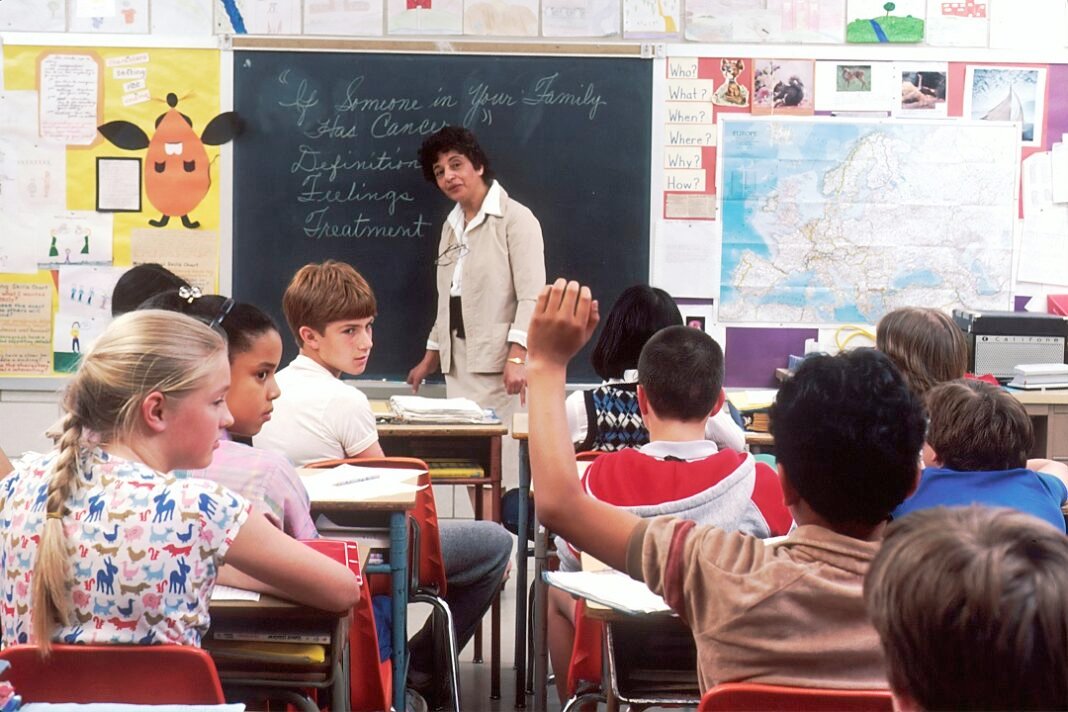



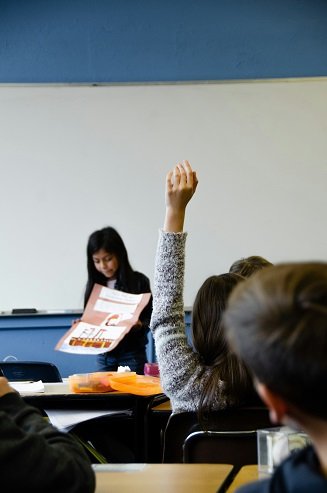
Debate, as a formal method of argumentation, has played a significant role in education for centuries. It originates from ancient civilizations, notably in Greece, where public speaking and rhetoric were crucial components of civic life. Over time, the practice of debate has evolved, adapting to various educational systems and cultural contexts, making it a vital element of contemporary learning environments.
At its core, debate involves the structured presentation of opposing viewpoints on a particular issue. This format not only encourages students to articulate their thoughts but also fosters comprehensive research skills, as students must gather facts and formulate coherent arguments. Thus, participation in debates enhances critical thinking skills, enabling learners to analyze issues from multiple perspectives and develop well-reasoned conclusions.
In addition to critical thinking, debate significantly improves communication skills. Engaging in debate requires students to practice speaking, listening, and responding effectively. These abilities are indispensable not only in academic pursuits but also in personal and professional contexts later in life. Moreover, the collaborative nature of debate cultivates skills such as teamwork and empathy, as students must consider their opponents’ points of view and respond accordingly.
Furthermore, the role of debate in education extends beyond the classroom. It empowers students to become informed citizens, capable of engaging in discussions about societal issues. Through exposure to diverse opinions and argumentative strategies, students develop a greater understanding of complex topics, preparing them for informed decision-making in their communities.
In essence, the significance of debate in education lies in its ability to shape skilled communicators and critical thinkers. Its historical roots and evolution underscore its essential role in fostering intellectual growth and promoting civic engagement among students today.
The Benefits of Debate in Academic Settings
Participating in debate within academic settings offers a multitude of benefits that extend well beyond mere verbal exchange. One of the primary advantages is the enhancement of critical thinking skills. Students engaged in debate must analyze complex issues, assess evidence critically, and construct logical arguments. This process helps foster a mindset that values inquiry and skepticism, equipping students to tackle challenging topics not just during debates but also in their broader academic pursuits.
In addition to critical thinking, debate significantly improves public speaking skills. The necessity to articulate thoughts clearly and persuasively in front of peers cultivates confidence in students. As they learn to express their ideas articulately while responding to counterarguments, students develop a poise that can benefit them in various academic and professional contexts. Mastering public speaking is crucial for effective communication, a skill highly valued in various fields.
Boosting confidence is another significant benefit of participating in debates. As students engage in discussions, they receive immediate feedback from peers and educators, which helps them recognize their strengths and areas for improvement. This iterative process of refinement encourages an atmosphere of resilience where students learn to deal with criticism and grow from it, ultimately enhancing their self-esteem.
Furthermore, debate fosters collaborative learning among peers. It encourages teamwork as students often research and prepare arguments together. This collaboration not only strengthens social bonds but also enhances interpersonal skills, as students learn to work cohesively while respecting diverse viewpoints. The interactive nature of debates encourages active listening and respect for differing opinions, fostering a richer educational environment.
Debate as a Tool for Developing Critical Thinking Skills
Debate serves as an effective platform for cultivating critical thinking skills among students. The process of argumentation inherent in debates encourages individuals to construct coherent arguments, supporting their viewpoints with evidence and logical reasoning. This structured form of dialogue compels participants to analyze various perspectives on an issue, enhancing their ability to critically evaluate differing viewpoints.
Engaging in debates requires students to not only articulate their own ideas but also to anticipate counterarguments. This process fosters a deep understanding of the subject matter, as students must research and comprehend multiple aspects of an argument to respond effectively. Such analysis promotes a mindset that appreciates complexity and nuance, essential traits for critical thinkers. Furthermore, through debating, individuals learn to assess the credibility of sources and the quality of arguments presented by others. This skill is crucial in navigating an increasingly information-rich world, where discerning fact from opinion is paramount.
The applicability of the skills gained through debate extends beyond academic settings. In real-world scenarios, individuals are often required to present their ideas persuasively while also remaining open to alternative viewpoints. Successful negotiation, conflict resolution, and collaborative problem-solving all hinge on critical thinking abilities honed through debate practice. By learning to articulate and defend their points of view while considering others’ perspectives, students become more adept at engaging in civic discourse and participating actively in democratic processes.
In essence, debate functions as a powerful method for developing critical thinking skills that are invaluable both in the classroom and in everyday life. The ability to analyze, evaluate, and synthesize information positions individuals to make informed decisions and contribute meaningfully to discussions in diverse contexts.
Incorporating Debate into the Curriculum
Integrating debate into the classroom curriculum can provide students with critical thinking and public speaking skills, which are essential for their academic and professional futures. Educators can adopt various methods to seamlessly incorporate debate into different subjects, fostering an engaging learning environment.
One effective approach is to design lesson plans that include debate formats tailored to the subject matter. For instance, in social studies classes, teachers might pose controversial historical events for students to argue from different perspectives. This method not only stimulates critical thinking but also improves students’ understanding of the material. In language arts, students can engage in literary debates, discussing themes, characters, or authorial intent from different viewpoints, thus enhancing literary analysis skills.
Engaging formats such as formal debates, panel discussions, and round-table talks can make the experience more dynamic. Formal debates, characterized by structured arguments and rebuttals, encourage students to engage deeply with the topic at hand. Alternatively, panel discussions allow for a more relaxed atmosphere where students can share ideas and insights, fostering collaboration. Another option is the fishbowl discussion format, where a small group debates the topic while an outer group observes, allowing everyone to engage at different levels.
To create a supportive environment that encourages student participation, teachers should establish clear guidelines for respectful discourse. Setting ground rules for civil conversation ensures that students feel safe expressing differing opinions. Additionally, providing training on debate techniques and offering constructive feedback can significantly enhance students’ confidence and proficiency in articulating their arguments. Emphasizing teamwork and collaboration in preparation for debates further builds interpersonal skills that benefit students beyond the classroom.
The Impact of Debate on Communication Skills
Debate training is a significant educational tool that can substantially enhance a student’s communication skills. Participating in debates requires individuals to articulate their thoughts clearly and effectively, which directly fosters improved verbal communication. When engaged in this practice, students concentrate on structuring their arguments logically, which helps them convey their ideas with precision and clarity. Through the process of preparing for debates, participants develop a strong ability to express complex ideas in a manner that is easily understood by their audience.
Moreover, debate training also emphasizes the importance of active listening. Debaters must attentively understand their opponents’ arguments to respond adequately and effectively. This focus on listening not only sharpens their ability to process information quickly but also encourages an open-minded approach. As students learn to consider opposing viewpoints, they become more nuanced in their communication skills, leading to richer discussions and a greater appreciation for diverse perspectives.
Furthermore, persuasive speaking is a fundamental component of debate that plays a crucial role in enhancing communication proficiency. Participants learn how to use rhetorical devices, adjust their tone, and employ body language to persuade their audience. This training equips students with the ability to influence opinions and deliver compelling narratives, skills that are vital in numerous professional and personal contexts. The ability to persuade effectively can lead to better engagement with peers and superiors, facilitating stronger professional relationships and enhancing one’s overall influence in various environments.
Challenges of Implementing Debate in Education
The integration of debate into educational curricula presents several challenges that educators and institutions must navigate. One significant barrier is scheduling. Debate programs often require dedicated time outside of the standard curriculum, leading to conflicts with existing classes and extracurricular activities. The demand for time can dissuade schools from prioritizing debate, especially in institutions that already face constraints in their timetables.
Another challenge stems from student reluctance. In many cases, students may feel apprehensive about participating in debates due to a lack of confidence in their speaking skills or fear of public scrutiny. This reluctance can discourage educators from integrating debate into their teaching strategies. Additionally, not all students may find debates engaging, leading to a perception that debate is only suitable for those interested in public speaking or competitive activities.
Lastly, the lack of resources can significantly hinder effective debate programs in schools. Educational institutions often struggle with limited funding, which can restrict access to training materials, experienced coaches, and debate-specific resources. Without appropriate support, students may miss out on the full benefits of engaging in debate, including critical thinking, articulate expression, and teamwork.
To mitigate these challenges, schools can consider various solutions. One approach is to incorporate debate into existing subjects, allowing for seamless integration without additional scheduling conflicts. Educators can also introduce smaller-scale debates or class discussions to build confidence among students. Furthermore, fostering a school culture that values debate through workshops and extracurricular clubs can encourage participation and enhance the overall experience. Proper training and resources for teachers can lay the groundwork for successful debate programs, helping to overcome these challenges effectively.
The Role of Technology in Debate Education
Technology has transformed various educational practices, and debate education is no exception. The integration of digital platforms has facilitated new methods for students and educators to engage in debate, overcoming traditional barriers such as location and access to resources. Online debate formats, for example, allow students from different geographical areas to participate in discussions simultaneously, thereby fostering a more diverse range of perspectives.
One significant advantage of utilizing technology in debate education is the array of resources readily available for both students and teachers. Online platforms provide easy access to comprehensive databases containing research articles, debate cases, and relevant information on current events. This wealth of information empowers students to prepare thoroughly for their debates, enhancing their argumentation skills and critical thinking abilities. Additionally, educators can leverage technology to curate specific resources for their students, facilitating targeted learning and ensuring that participants have access to credible materials.
Moreover, the rise of digital platforms specifically designed for debate, such as online forums and virtual debate tournaments, has provided opportunities for students to engage in debates in a format that suits modern communication styles. These platforms often incorporate tools that enable real-time feedback, collaboration, and peer review, further enhancing the learning experience. By harnessing technology, debate education can cultivate a more engaging environment that encourages participation, regardless of a student’s proficiency level.
In conclusion, the role of technology in debate education is invaluable. It not only expands access to resources and diverse viewpoints but also creates dynamic opportunities for interaction and skill development. Embracing these technological advancements can significantly enrich the debate experience for both students and educators alike.
Case Studies: Schools that Successfully Use Debate
Several educational institutions worldwide have successfully integrated debate into their curricular framework, demonstrating its profound impact on student learning. One prominent example is the Washington International School in Washington, D.C. This institution has dedicated a segment of its curriculum to formal debate practices. Through the involvement of students in debating clubs and activities, they have observed improved critical thinking, enhanced communication skills, and heightened engagement in academic discussions. Educators report that students become more articulate and confident when presenting their ideas and defending their viewpoints.
Another noteworthy case is the Brookline High School in Massachusetts. Here, the debate program is not merely an extracurricular activity; it is an integral part of the school’s educational philosophy. The school’s commitment to fostering a culture of inquiry and dialogue has resulted in students who are not only better debaters but also more informed citizens. Testimonials from faculty emphasize how debate has contributed to a more vibrant classroom atmosphere, enabling students to embrace diverse perspectives and engage in respectful discourse about complex societal issues.
Meanwhile, the International School of Manila exemplifies the international adoption of debate education. With a diverse student body, this school leverages debate to promote cross-cultural understanding and collaboration among students. Teachers have noted that participating in debates allows students to build empathy and learn the art of persuasion, essential skills in today’s globalized world. Through various debate formats, students practice articulating their thoughts coherently while receiving constructive feedback from peers and instructors.
These case studies reflect a growing recognition of the value of debate in education, not just for individual student development but also for fostering a dynamic and interactive learning environment. As such, schools worldwide are increasingly appreciating the importance of integrating debate into their curricula to prepare students for the challenges of the future.
Conclusion: The Future of Debate in Education
In an era characterized by rapid technological advancement and shifting educational paradigms, the role of debate remains undeniably pivotal within the academic sphere. As we look ahead, it is essential to recognize that debate fosters critical thinking, encourages effective communication, and promotes civic engagement among students. These competencies are especially crucial as future workplaces increasingly demand collaboration and innovative problem-solving skills.
The integration of debate into various curricula not only enhances students’ analytical abilities, but also cultivates a culture of respect for diverse opinions. Engaging in structured debates equips learners with the proficiency to navigate complex issues, thus better preparing them for the challenges of contemporary society. Moreover, the evolution of educational methods, including the use of digital platforms, presents new opportunities for debate participation, broadening access and participation.
As educational institutions continue to adapt, maintaining debate as a foundation in learning will be vital. The skills acquired through debate can significantly influence academic success and personal growth, establishing a lifelong foundation for critical discourse. Furthermore, the demand for informed citizens who can engage in meaningful discussions is ever-increasing, making the need for debate in education more relevant than ever.
To safeguard the future of debate in education, stakeholders must advocate for its inclusion across various subjects and age groups. By investing in debate programs and providing resources for educators, we can ensure that all students are afforded the opportunity to develop these essential skills. In doing so, we not only enrich the educational experience but also empower future generations to contribute thoughtfully and actively to society.