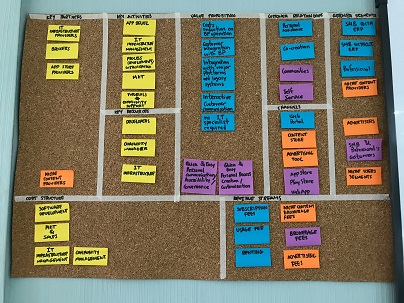




Business operations refer to the day-to-day activities that organizations engage in to produce goods or provide services. These operations encompass a wide range of functions, including production, marketing, sales, and customer service, all of which are essential for achieving organizational goals. A clear understanding of business operations is crucial because they serve as the foundation upon which an organization builds its strategic objectives and operational efficiency. Business operations consist of various components that interlink to promote overall efficiency. The first component is processes, which include the sequences of tasks and workflows that must be executed to deliver products or services. Managing these processes effectively can lead to increased productivity and reduced operational costs. The optimization of processes through methods such as lean management or Six Sigma can significantly enhance operational efficiency.
Another vital element of business operations is the resources utilized daily. These resources encompass human capital, financial assets, technology, and physical materials. The effective allocation and management of these resources are pivotal in achieving operational efficiency. For example, investing in advanced technology can automate repetitive tasks, thereby freeing up human resources for more strategic duties.
Finally, technology serves as a facilitator of modern business operations. The integration of sophisticated tools and software can streamline processes and improve communication across departments, thus fostering cohesive teamwork. Utilizing technology such as Enterprise Resource Planning (ERP) systems can help organizations gather data and insights, driving better decision-making and improving overall operational efficiency.
In summary, understanding business operations involves recognizing their key components—processes, resources, and technology—and how they interact to promote organizational success. Improved efficiency in these areas can yield significant competitive advantages in today’s dynamic business environment.
Identifying Inefficiencies in Current Operations
Identifying inefficiencies in existing business operations is a critical step toward improving overall performance and productivity. To achieve this goal, businesses can employ several effective techniques that facilitate the discovery of areas requiring enhancement. One of the most valuable methods is process mapping. This technique allows organizations to visually represent their workflow and operational procedures, thereby highlighting redundancies and bottlenecks. By carefully analyzing these maps, companies can identify stages in the operation that consume an excessive amount of resources or time.
Another essential approach to uncovering inefficiencies involves gathering feedback from stakeholders, including employees, customers, and suppliers. This feedback can provide invaluable insights into the perceived strengths and weaknesses of operational processes. Surveys, interviews, and focus groups can be deployed to solicit opinions on various aspects of business operations, thus revealing crucial information that may not be apparent through quantitative data alone. Engaging with stakeholders fosters a collaborative environment that encourages suggestions for improvements and innovative solutions.
Moreover, performance metrics play a vital role in identifying inefficiencies. By establishing and monitoring key performance indicators (KPIs), businesses can evaluate the effectiveness of their operations systematically. Metrics such as throughput, error rate, and time-to-completion are instrumental in assessing operational performance. Regularly analyzing these figures assists in pinpointing discrepancies and understanding where improvements can be made. In addition to numerical evaluations, it is important to establish benchmarks that measure performance against industry standards, providing a clear context for operational efficiency.
By leveraging these techniques—process mapping, stakeholder feedback, and performance metrics—businesses can effectively identify inefficiencies in their current operations. This awareness forms the foundation upon which targeted improvement initiatives can be established, ultimately leading to enhanced productivity and operational effectiveness.
Streamlining Processes
Streamlining processes is essential for businesses seeking to enhance efficiency and productivity. One well-regarded approach to streamlining is Lean Management, which focuses on reducing waste while maximizing value. By identifying and eliminating non-value-adding activities, organizations not only lower costs but also improve their overall operational effectiveness. Implementing Lean principles can lead to significant improvements, such as faster turnaround times and better resource allocation.
Another effective strategy is the adoption of Six Sigma methodologies. This framework emphasizes quality control and aims to reduce process variation, which directly impacts efficiency. By applying Six Sigma tools, businesses can systematically identify defects and address them, leading to higher quality outcomes. Training employees in Six Sigma principles fosters a culture of continuous improvement, ensuring processes remain aligned with the organization’s goals.
In today’s digital landscape, automation presents a powerful opportunity for streamlining processes. By automating routine and repetitive tasks, businesses can redirect their human resources toward more strategic initiatives. Automation tools can handle various operations ranging from data entry to customer interactions, thereby reducing human error and increasing speed. Furthermore, integrating advanced technologies such as Artificial Intelligence can lead to predictive analytics, thus empowering organizations to anticipate and respond to market demands swiftly.
To enhance productivity through process streamlining, organizations should regularly assess their workflows and identify bottlenecks or inefficiencies. Conducting process mapping and engaging employees in brainstorming sessions can provide valuable insights. By fostering an environment that encourages feedback and innovation, businesses can discover practical solutions tailored to their unique operational challenges.
Investing in Technology
In today’s fast-paced business landscape, investing in technology has become a critical component for improving operational efficiency. Leveraging advanced tools and systems can streamline processes, enhance communication, and ultimately lead to better results. Major technology investments include project management software, customer relationship management (CRM) systems, and various automation tools that collectively improve business operations.
Project management software facilitates collaboration among team members by providing a centralized platform for tracking tasks, setting deadlines, and allocating resources. By utilizing such technology, teams can coordinate their efforts effectively, ensuring that project goals are met within designated time frames. Tools like Trello, Asana, or Microsoft Project provide real-time visibility into ongoing tasks and foster accountability among team members.
On the other hand, CRM systems play a pivotal role in managing customer interactions and relationships. By integrating these systems into your business operations, you can have access to comprehensive customer data, which aids in personalized service delivery and enhances customer satisfaction. These systems automate workflows and track customer engagement, allowing businesses to make informed decisions about their marketing and sales strategies.
Moreover, investing in automation tools can drastically reduce repetitive tasks, allowing employees to focus on more strategic initiatives. Automation can streamline functions such as invoicing, data entry, and inventory management, which not only saves time but also reduces the likelihood of human error. By minimizing manual interventions, businesses can improve their overall efficiency.
Ultimately, prioritizing the right technological investments can pave the way for enhanced collaboration, efficiency, and innovation. By aligning technology with operational goals, organizations can ensure that their investments yield substantial returns, positioning them for sustainable growth in an increasingly competitive market.
Employee Training and Development
Investing in employee training and development is a critical strategy for enhancing business operations. A well-structured training program not only equips employees with essential skills but also fosters a culture of continuous learning within the organization. This not only improves individual performance but also contributes significantly to overall business efficiency.
One of the primary benefits of consistent employee training is the enhancement of workforce competencies. As industries evolve and technologies advance, employees must stay abreast of these changes to maintain productivity. By prioritizing employee development programs, organizations can ensure their teams are knowledgeable and adaptable, capable of meeting new challenges that arise in the business landscape.
Moreover, investing in skills development leads to increased employee satisfaction and retention. Employees who feel their growth is prioritized are more likely to remain with the company, reducing turnover and the associated costs of recruiting and onboarding new employees. This creates a more stable work environment and strengthens team dynamics—all vital elements for operational success.
Effective training strategies play a pivotal role in achieving these outcomes. Organizations can benefit from a blend of training methods, including traditional in-person sessions, online courses, and hands-on workshops. Tailoring programs to meet the specific needs of different teams ensures that training is relevant and engaging. Additionally, fostering mentorship programs enables more experienced employees to guide newer team members, creating a collaborative environment that enhances overall knowledge sharing.
In conclusion, prioritizing employee training and development is essential for improving business operations. By investing in the skills and knowledge of their workforce, businesses can enhance productivity, employee satisfaction, and ultimately, operational efficiency.
Setting Clear Goals and KPIs
In any business environment, the establishment of clear goals and key performance indicators (KPIs) is vital to assessing the efficiency of operations. Clear, quantifiable objectives serve as a compass that guides businesses toward their strategic vision, ensuring that all efforts are aligned with the broader aims of the organization. By defining specific, measurable goals, businesses can track progress and adjust their approaches as needed.
Goals provide a framework within which teams can operate and innovate. The clarity surrounding what needs to be achieved fosters a sense of accountability among employees, leading to improved productivity. For example, setting a goal to increase sales by 20% over the next quarter gives the marketing and sales teams a specific target to strive for, and they can craft strategies and initiatives tailored to that objective.
KPI development is equally crucial. These indicators serve as a means to measure the success of the organization in reaching its goals. KPIs should be relevant to the objectives set and must be monitored regularly. Common KPIs might include customer satisfaction scores, sales conversion rates, or operational cost savings. By maintaining a keen focus on these metrics, organizations can determine if they are on the right path or if they need to pivot their strategies.
Furthermore, it is essential that these goals and KPIs align with the overall business strategy. This alignment ensures that every department and team member is working towards common objectives, thereby enhancing collaboration and culture within the organization. Regular review of goals and KPIs allows for flexibility and agility in operations, making it possible to adapt to changing market conditions and organizational priorities.
Promoting a Culture of Continuous Improvement
Creating a workplace environment that fosters continuous improvement is essential for any organization aiming to enhance its operational efficiency. A culture of continuous improvement encourages employees to actively seek ways to optimize processes, adapt to changing circumstances, and contribute to the overall success of the business. One of the fundamental best practices in promoting such a culture is encouraging open and honest feedback. Employees should feel safe to share their thoughts on existing processes without fear of negative repercussions. Regularly scheduled feedback sessions and anonymous suggestion boxes can facilitate this open communication, ensuring that every voice is heard.
Recognizing and celebrating achievements is another vital aspect of sustaining a culture of continuous improvement. When employees see their efforts acknowledged, it motivates them to pursue further enhancements in their work. This recognition may come in various forms, such as verbal commendations during team meetings, acknowledgment in company newsletters, or rewards for outstanding contributions. By making recognition a regular practice, organizations can cultivate a positive atmosphere where all accomplishments, big and small, are valued.
Furthermore, fostering innovation among employees is crucial for continuous improvement. Organizations can do this by providing opportunities for professional development and encouraging creative thinking. Implementing brainstorming sessions or innovation challenges can help employees explore new ideas and collaborate with their peers. Additionally, providing the necessary tools and resources for experimentation can empower workforce members to embrace innovative practices in their daily tasks. Ultimately, by promoting a culture of continuous improvement through feedback, recognition, and innovation, businesses can create an engaged workforce that is consistently focused on operational excellence and efficiency.
Leveraging Data for Decision Making
In today’s business landscape, leveraging data has become essential for enhancing decision-making processes and operational efficiency. The accurate collection and analysis of data enable businesses to derive actionable insights, which can significantly impact strategic planning and resource allocation.
First and foremost, data collection is a critical phase in the analytics process. Businesses should aim to gather data from diverse sources such as customer feedback, sales reports, and market research. Utilizing data management tools helps streamline this process, making it easier to collate and organize information systematically. Moreover, implementing surveys or using customer relationship management (CRM) systems can ensure that the data collected reflects actual business performance and customer experiences.
Once data has been collected, the next step is analysis. Employing statistical tools and software can aid in interpreting the collected data effectively. This analysis not only uncovers trends and patterns but also highlights areas needing improvement. For instance, by analyzing sales data over time, a business can identify seasonal fluctuations and optimize inventory levels accordingly. Data visualization techniques, such as graphs and dashboards, can further enhance understanding, making the data more accessible to stakeholders.
Finally, the application of this analyzed data forms the crux of informed decision-making. Effective use of insights will drive businesses towards more strategic objectives, aligning operational tactics with overarching goals. For example, if data indicates a decline in customer satisfaction, management can implement corrective actions based on the feedback collected.
Thus, leveraging data analytics not only fosters a culture of informed decision-making but also propels businesses towards improved operational efficiency. By following structured approaches to data collection, analysis, and application, organizations can ensure they are making well-informed choices that contribute to their long-term success.
Monitoring and Adjusting Strategies
In the dynamic landscape of the business world, monitoring and adjusting strategies is essential for ensuring sustained operational efficiency. Organizations must engage in a continuous review process that evaluates the effectiveness of existing strategies against current performance metrics, objectives, and market conditions. This proactive approach helps businesses recognize when a strategy may no longer be effective, necessitating adjustments or even complete overhauls.
Regular monitoring involves collecting data on various operational parameters, analyzing key performance indicators (KPIs), and soliciting feedback from employees and stakeholders. This data-driven insight allows organizations to understand trends and patterns that may not be immediately obvious, enabling leaders to make informed decisions swiftly. Additionally, incorporating advanced analytics tools can significantly enhance the ability to interpret this data accurately, facilitating proactive adjustments to operational strategies.
Having the flexibility to tweak strategies in response to market fluctuations or internal changes is equally vital. If a business identifies a dip in customer satisfaction or operational inefficiencies, for instance, swift action is necessary to prevent further decline. This could involve refining processes, investing in training, or reallocating resources to more promising avenues. The agility while addressing unforeseen challenges is what sets successful businesses apart in a competitive environment.
Cultivating a culture of adaptability within the organization furthers this objective by encouraging teams to remain open to change. When employees at all levels buy into the continuous improvement mindset, businesses can readily pivot their approaches as required. Ultimately, prioritizing ongoing monitoring and championing responsiveness within the organizational framework empowers businesses to thrive amidst changing circumstances, thereby enhancing overall efficiency in operations.