



The landscape of online business is diverse, featuring various models that entrepreneurs can explore in their pursuit of profitability. Each model offers unique benefits and challenges, making it essential for aspiring business owners to understand which aligns best with their goals. One prominent model is e-commerce, which entails selling physical or digital products directly to consumers through online platforms. This model requires careful consideration of inventory management, logistics, and customer service. E-commerce can cater to a wide range of audiences, and its revenue potential is significant, particularly with effective marketing strategies. Additionally, businesses can scale by expanding product ranges or targeting new markets.
Another popular model is affiliate marketing, which involves promoting other companies’ products and earning a commission on sales generated through referral links. This model is advantageous for those looking to enter the online sphere with lower startup costs, as it requires minimal investment in inventory. The target audience is often defined by niche markets, allowing affiliates to leverage specific interests and consumer behaviors. The scalability of affiliate marketing depends largely on the ability to attract traffic and build a sizable audience base.
Digital products represent another avenue for online business, where creators offer items such as e-books, online courses, or software. This model boasts low overhead costs and high-profit margins, as digital products can be replicated indefinitely without additional production expenses. Understanding the target audience is crucial for positioning these products effectively in the market.
Lastly, subscription services have gained momentum, appealing to consumers’ desire for convenience and continual access to products or content. This model involves recurring payments, providing a steady revenue stream for businesses. Identifying and addressing customer needs is vital to ensuring long-term engagement and retention.
Identifying Your Niche and Target Audience
To build a successful online business, one of the essential first steps is identifying your niche and understanding your target audience. This process not only shapes your product or service offerings but also informs your marketing strategies. Start by analyzing market trends; various online tools can help you track what areas are currently in demand. Key platforms such as Google Trends or social media insights can provide invaluable data regarding what topics are gaining traction among consumers.
Next, assessing the level of competition within your chosen niche is vital. A saturated market may signal that you need to either refine your product or find a more specific target audience. By researching competitors, you can explore their strengths and weaknesses which can inform your unique selling proposition. This unique angle can be what sets your business apart and attracts your ideal customers.
It is equally critical to align your personal interests with your niche. When you have a genuine passion for what you are offering, it translates into authenticity and enthusiasm in your marketing efforts. Engaging with your audience through blogs, forums, or social media can also yield insights into their preferences and needs. By asking questions, conducting surveys, or simply observing online discussions, you gain a clearer picture of the various demographics that constitute your target audience.
Furthermore, understanding your audience’s behavior and motivations will ultimately guide you in tailoring your offerings effectively. You should explore not only what they want but also their pain points, aspirations, and buying habits. Integrating this knowledge into your business model is integral to providing solutions that resonate with them.
Creating a Solid Business Plan
Developing a profitable online business hinges significantly on the creation of a comprehensive business plan. This document serves as a roadmap, guiding entrepreneurs through the formative stages of their ventures. A well-structured business plan articulates the core mission of the business, delineates financial projections, establishes marketing strategies, and outlines operational approaches.
The mission statement is the first crucial element, reflecting the business’s purpose and core values. It informs every decision made within the organization, helping to align strategies with the overarching goals. A clear and compelling mission can inspire team members and attract customers who resonate with those values.
Financial projections follow, providing essential insight into the expected revenues, expenses, and profits over a specific period. Accurate financial forecasting involves estimating sales growth and calculating startup costs, while also factoring in potential risks and uncertainties. This forecast not only serves as a guide for business operations but is also fundamental when seeking investment or funding.
Marketing strategies are another significant component of an effective business plan. These strategies must detail the methods for reaching target customers, whether through digital marketing, social media engagement, or traditional advertising. Understanding the market landscape, including competitor analysis and customer demographics, is essential for crafting an effective approach that drives sales and builds brand recognition.
Finally, outlining operational approaches is crucial for the day-to-day management of the business. This section should encompass the logistics of service delivery or product fulfillment, staffing requirements, and the technological infrastructure needed to support business activities. Structuring the operational plan with clarity will facilitate smoother implementation, ultimately contributing to sustainable growth.
Overall, a comprehensive business plan is not merely a formality; it is an indispensable tool for navigating the complexities of establishing and running an online business. By incorporating these elements thoughtfully, entrepreneurs can significantly enhance their prospects for success.
Building Your Brand Identity
A strong brand identity is essential for the success of any online business. It not only differentiates your offerings in a competitive market but also creates a lasting impression among consumers. The first step in building your brand identity is to develop a memorable business name. This name should reflect your business values, be easy to pronounce, and resonate with your target audience. A well-chosen name can significantly enhance brand recall, which is invaluable in fostering customer loyalty.
In addition to a compelling name, the visual representation of your brand is crucial. Designing a unique logo is one of the most effective ways to communicate your brand’s personality and values. The logo should be versatile and scalable, ensuring it works across various platforms, from your website to social media. The colors, fonts, and imagery used in your logo and overall branding materials should also align with the emotions and messages you wish to convey. A consistent visual identity reinforces brand recognition and can influence purchasing decisions.
Establishing clear brand values is equally important in shaping how your audience perceives your business. These values should reflect your mission and the ethical stance of your company, which can resonate with consumers on a deeper level. Customers are more likely to remain loyal to brands that not only meet their needs but also share their beliefs and values. By actively communicating your brand identity through various channels, you can build a community around your business, enhancing customer engagement and trust.
Setting up Operational Infrastructure
Establishing a solid operational infrastructure is crucial for the success of any online business. To begin with, an effective e-commerce platform serves as the backbone of your online store. Popular options include Shopify, WooCommerce, and Magento, each offering unique features tailored to different business needs. Selecting a suitable platform involves assessing your specific requirements, budget constraints, and desired level of customization. Additionally, it is essential to consider the scalability of these platforms, allowing your business to grow seamlessly over time.
Payment gateways also play a vital role in facilitating transactions on your website. Implementing reliable and secure payment processing solutions, such as PayPal, Stripe, or Square, ensures that your customers can confidently complete their purchases. It is important to choose a payment gateway that offers diverse payment options, catering to the preferences of your target audience. Furthermore, ensuring compliance with security standards, such as PCI DSS, protects sensitive customer information and fosters trust.
Inventory management is another critical component in operating an online business effectively. Utilizing an efficient inventory management system not only allows you to track stock levels in real-time but also aids in understanding sales trends and customer preferences. Systems like TradeGecko, NetSuite, or QuickBooks can streamline your inventory processes and help prevent stockouts or overstock situations, ultimately boosting customer satisfaction.
Lastly, customer service solutions are indispensable for maintaining strong relationships with your clientele. Implementing a help desk software or live chat feature on your website can enhance customer interactions, providing prompt support and addressing inquiries. Utilizing tools like Zendesk or Freshdesk can facilitate efficient communication and build a loyal customer base, as responsive customer service is critical in the highly competitive online market.
Marketing Your Online Business
To effectively market your online business, it is essential to implement a variety of digital marketing strategies that will increase visibility and engagement. Among these strategies, search engine optimization (SEO) plays a crucial role in enhancing your website’s visibility on search engines. By optimizing your content with relevant keywords and employing on-page and off-page techniques, you can improve your chances of ranking higher in search results, thus attracting more organic traffic.
Another effective strategy is content marketing, which involves creating valuable and relevant content to engage your target audience. This type of marketing not only helps in attracting potential customers but also positions your brand as a thought leader in your niche. Regularly publishing high-quality blog posts, informative videos, and engaging infographics can significantly enhance your brand’s credibility and customer loyalty.
Social media marketing is equally important in the modern digital landscape. By utilizing platforms such as Facebook, Instagram, LinkedIn, and Twitter, you can reach a broader audience. Regularly updating your social media profiles with engaging content, running targeted ads, and interacting with followers are effective ways to foster relationships and drive traffic to your online business.
Email marketing remains a powerful tool for direct engagement with customers. Building a strong email list allows you to send personalized content, promotions, and updates about your products or services. Segmenting your audience based on their behaviors and preferences can enhance the effectiveness of your email campaigns, resulting in higher conversion rates.
Finally, it is important to leverage data analytics to refine your marketing strategies. By tracking metrics such as website traffic, conversion rates, and customer engagement, you can gain valuable insights into what works and what doesn’t. This data-driven approach enables you to make informed decisions and optimize your campaigns for better results.
Building and Maintaining Customer Relationships
Effective customer relationship management (CRM) is critical for the sustainability and profitability of any online business. By focusing on building and nurturing relationships with customers, businesses can enhance customer experience, leading to improved satisfaction and loyalty. A strong CRM strategy revolves around understanding customer needs and preferences, allowing businesses to tailor their offerings to meet these demands.
One of the first steps in building these relationships is to gather customer feedback regularly. This could be achieved through surveys, feedback forms, or direct communication via social media platforms. Encouraging customers to share their opinions not only helps businesses refine their products and services but also makes the customers feel valued and appreciated. Active engagement through personalized emails or marketing messages can enhance the customer experience by making it more relevant and enjoyable.
Moreover, maintaining engagement post-purchase is equally essential. Implementing strategies such as follow-up emails, exclusive offers for returning customers, or loyalty programs can stimulate repeat business. For instance, sending tailored recommendations based on previous purchases shows customers that the business understands their preferences and cares about their satisfaction. Engaging content such as newsletters or informative blog posts can also keep customers interested and involved with the brand.
Incorporating automation tools can aid in managing customer relationships more efficiently. These tools can help track customer interactions, ensuring businesses can respond promptly to inquiries and manage feedback effectively. By utilizing CRM software, online businesses can centralize customer data, thus enabling a more personalized and proactive approach to customer service.
By investing time and resources into building and maintaining customer relationships, businesses can foster a loyal customer base, which is essential for long-term success.
Scaling Your Business
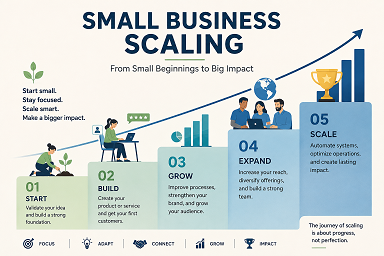
Scaling an online business effectively is crucial for long-term success and profitability. As entrepreneurs navigate their growth paths, various opportunities for expansion become apparent. One primary method is diversifying product offerings. By introducing complementary products or services, businesses can cater to a broader audience and meet the evolving needs of their existing customers. This strategy not only provides additional revenue streams but also minimizes risks associated with relying heavily on a single product line.
In conjunction with product diversification, enhancing marketing efforts plays a significant role in scaling operations. Businesses must leverage digital marketing strategies such as search engine optimization (SEO), social media advertising, and content marketing to reach potential customers efficiently. Expanding these marketing channels allows companies to amplify their brand presence, engage a larger audience, and ultimately drive higher sales. Moreover, utilizing data analytics helps identify which marketing strategies yield the best return on investment, allowing for better allocation of resources.
Another avenue for growth involves exploring new markets, whether by entering geographical regions or targeting new demographics. Conducting thorough market research can provide insights into market demands and competitive landscapes, enabling businesses to position themselves strategically. However, venturing into new markets should be approached with caution, as it may require adjustments in marketing, logistics, or even product modifications.
As operational demands increase during the scaling process, companies must implement efficient management practices. Streamlining workflows, adopting new technologies, and possibly outsourcing certain functions can alleviate the workload and maintain service quality. Utilizing project management tools can improve team collaboration and ensure tasks are completed on time. Ultimately, the success of scaling strategies hinges on a balanced approach that considers both growth opportunities and the capabilities of the business to handle increased operational complexity.
Measuring Success and Adapting Strategies
In the realm of online business, measuring success is crucial for ensuring sustained profitability and growth. The advent of advanced analytics tools has revolutionized how entrepreneurs assess their business performance. By leveraging these tools, business owners can track a variety of metrics that serve as key performance indicators (KPIs). These KPIs provide insights into sales performance, customer acquisition costs, and overall financial health.
Financial metrics such as net profit margin, return on investment (ROI), and cash flow projections should be closely monitored. For instance, a healthy net profit margin often signifies effective pricing strategies and cost management, while strong ROI indicates successful investments in marketing or product development. These insights allow entrepreneurs to evaluate where their business stands in the competitive landscape.
Moreover, analytics tools can measure user engagement on websites and social media platforms. Metrics such as bounce rates, session duration, and social shares can reveal how well the content resonates with the target audience. Understanding these behaviors will enable business owners to tailor their products and marketing strategies effectively, resulting in improved customer satisfaction and long-term loyalty.
As the marketplace evolves and customer preferences shift, it is imperative for business owners to adapt their strategies based on the insights gained from performance data. Regularly analyzing KPIs not only facilitates adjustments to ongoing strategies but also helps identify new opportunities for revenue generation. Failing to adapt could lead to stagnation or decline, highlighting the importance of agility in the highly competitive online business environment.
Ultimately, the key to a sustainable online business lies in the continuous cycle of measuring success and adapting strategies. By embracing this iterative approach, entrepreneurs can ensure that they remain relevant and profitable in an ever-changing digital landscape.