


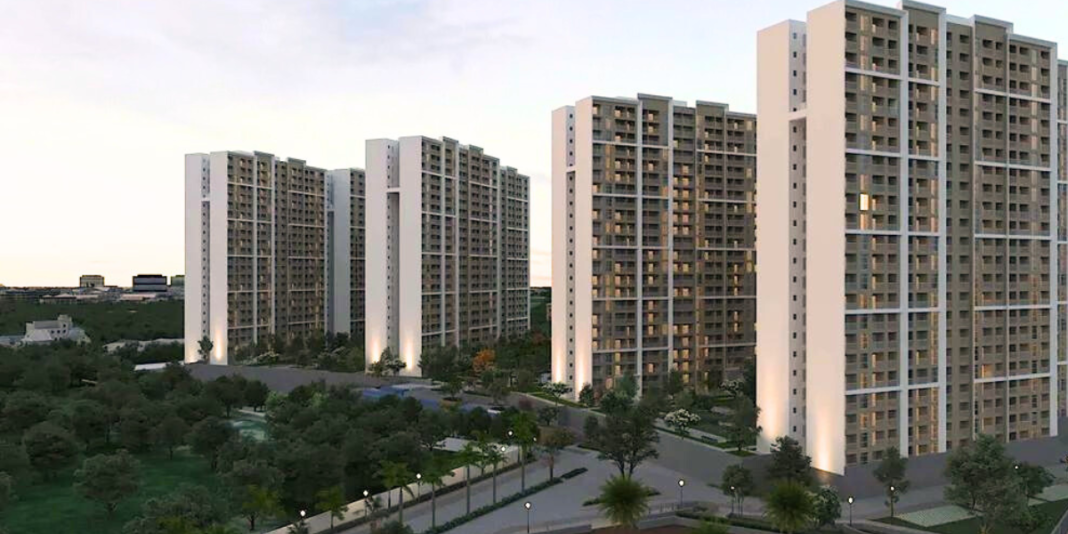
High-rise buildings age differently than the typical single-family home, and the problems that show up tend to be bigger, more expensive, and easier to miss during a quick walkthrough. Before you sign anything, it helps to know what actually breaks down in these buildings and why.
Elevators and Mechanical Systems Wear Out on a Schedule
Elevators have a lifespan, and major components like the motor, control system, and cables typically need replacement every 20 to 30 years depending on usage. A building that’s put off a modernization project is often sitting on a bill that gets passed to owners eventually, so it’s worth asking directly when the elevator systems were last serviced or upgraded.
Water Intrusion Around Windows and the Façade
Curtain wall systems and window seals take a beating from decades of weather exposure, and once they start failing, water finds its way in slowly and often invisibly at first. Staining near windows, bubbling paint, or a musty smell in a unit on a higher floor can point to façade problems that are far more expensive to fix than they look from the outside.
Foundation and Structural Settling
Taller buildings settle over time, and some degree of that is normal and accounted for in the original engineering. What matters is whether the settling has been even or has caused visible cracking, sticking doors, or uneven floors in ways that suggest a more serious structural issue rather than routine aging.
Regional Building Quirks Add Complexity
Older high-rise stock in dense urban centers often comes with its own set of quirks tied to when and how the building was constructed. Anyone arranging a commercial property inspection in Chicago, for example, should expect the inspector to pay close attention to older masonry facades, aging boiler systems common in prewar towers, and the freeze-thaw cycle damage that’s typical in a climate with harsh winters.
Fire Safety and Life-Safety Systems
Sprinkler systems, fire alarms, smoke evacuation systems, and stairwell pressurization all need regular testing and certification. A lapsed inspection or an outdated system isn’t just a paperwork issue. It can affect insurance rates for the whole building and, in some cities, trigger costly compliance upgrades if code requirements have changed since the system was installed.
Shared Plumbing and Mechanical Risers
Plumbing in a high-rise typically runs through vertical risers shared by dozens or hundreds of units, and a failure in one section can affect everyone above or below it. Galvanized or aging cast iron risers are a common culprit in older buildings, and replacing them is disruptive and expensive enough that many boards delay it as long as possible.
HVAC Systems Serving Multiple Units
Some buildings run centralized HVAC systems that serve entire floors or wings rather than individual unit-level equipment. If that’s the case here, ask how old the central plant is and who’s responsible for maintaining it. A failing central system is a shared cost, and it’s a very different budgeting problem than replacing your own unit’s air conditioner.
Parking Garages and Below-Grade Areas
Parking structures and below-grade areas are prone to water infiltration, concrete spalling, and rebar corrosion, especially in older buildings. These repairs are structural in nature and tend to be some of the most expensive line items in a reserve study, so it’s worth asking whether the garage has had a recent structural assessment.
Common-Area Wear and Deferred Maintenance
Lobbies, hallways, and shared amenity spaces are easy to overlook during a showing focused on the unit itself, but they say a lot about how well the building is actually managed. Worn carpet or chipped paint isn’t a dealbreaker on its own, but combined with other red flags, it can point to a board that’s been putting off spending where it matters.
Bringing in the Right Inspector
High-rise buildings need someone who actually understands vertical construction, not just single-family homes. A home inspection company with real experience in mid- and high-rise properties will know to check things a general residential inspector might not think to look at, like elevator machine rooms, expansion joints, and shared mechanical spaces that affect every unit in the building.
Reviewing the Building’s Financial Health
Everything above eventually becomes a line item somewhere, whether it’s a special assessment, a rising monthly fee, or a building that’s underfunded and quietly falling behind. Pulling the reserve study and recent board meeting minutes before you buy tells you far more about a high-rise’s future than the finishes in the unit ever will.