



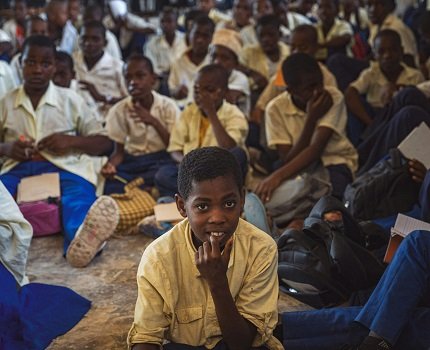
The fear of expression of opinions is an integral part of personal development and academic discourse. However, many students experience a notable hesitation to voice their thoughts in various settings. This fear can be attributed to a multitude of factors, ranging from societal influences to the specific dynamics of educational environments. By understanding these influences, we can address the reasons behind students’ reluctance to express themselves openly.
One significant factor contributing to this fear is peer pressure. Students often find themselves in environments where conformity is valued over individual expression. The desire to fit in and avoid judgment from peers can create an atmosphere of intimidation, making students hesitant to share their viewpoints. This is particularly evident in classrooms or group projects, where differing opinions can lead to social isolation or conflict.
Furthermore, societal expectations play a crucial role in stifling self-expression among students. In many cultures, certain opinions may be viewed as controversial or unacceptable, leading to a fear of backlash. This perceived risk can deter students from sharing their true beliefs, resulting in a lack of diverse perspectives in discussions. As societal norms evolve, the fear of expressing controversial opinions may become more pronounced, especially in environments that prioritize harmony over debate.
Additionally, the educational context adds another layer of complexity to this issue. Instructors may inadvertently create an environment that discourages open dialogue, prioritizing correct answers over critical thinking and personal insight. Students may fear negative evaluation, leading to a reluctance to participate in discussions. This educational dynamic can further reinforce the notion that expressing one’s opinions is fraught with risk.
Factors Contributing to Fear of Expression
In contemporary educational settings, students often fear of expression a profound anxiety when it comes to voicing their opinions. Several interrelated factors contribute to this phenomenon, starting with the fear of judgment. Students are keenly aware of the potential repercussions of sharing their views, particularly in environments where peers and teachers may react unfavorably. This concern can render them hesitant to express dissenting opinions or engage in debates, leading to a culture of silence.
Moreover, social dynamics play a crucial role in shaping students’ willingness to articulate their thoughts. In many cases, individuals feel compelled to conform to prevailing opinions within their peer groups. This desire for acceptance can suppress individual expression, fostering an atmosphere where divergent thoughts are stifled. The consequential impact on self-esteem can further exacerbate the fear of participating in discussions, as students may equate disagreement with social ostracism.
The influence of authority figures is another critical aspect influencing students’ confidence to express themselves. Educators, who hold significant power in academic discourse, can inadvertently silence voices through their response to student input. If a teacher expresses disdain or lack of interest in particular viewpoints, students may refrain from contributing, fearing that their thoughts are undervalued or will provoke negative feedback. Such authority dynamics create an imbalance, with students perceiving their roles as subordinates who must defer to the judgment of their educators.
Cultural backgrounds also play a pivotal role in determining how students navigate expression. In cultures where collectivism is emphasized over individualism, students may prioritize group harmony over personal opinion. This cultural lens can lead to reduced willingness to share one’s thoughts openly, resulting in an educational environment marked by hesitation rather than active intellectual engagement. Understanding these various factors is essential for fostering a space where students can feel safe and encouraged to express their opinions freely.
The Role of Educational Institutions
Educational institutions play a crucial role in shaping students’ confidence in expressing their opinions. The approach taken by teachers and administrators can either foster a culture of open dialogue or create an environment where students feel hesitant to voice their thoughts. By incorporating inclusive teaching methods and promoting respectful discourse, schools and universities can significantly alleviate the fears students may have regarding expressed opinions.
One effective strategy is the establishment of a classroom environment that values diverse perspectives. When educators encourage students to share their viewpoints and actively listen to one another, it creates a safe space for expression. This can be achieved through various techniques, such as implementing group discussions, facilitating debates, or conducting workshops that provide foundational skills in articulating one’s opinion. When students witness their peers engaging in constructive conversations, it encourages them to participate as well, which can diminish any apprehension they may feel about sharing their thoughts.
Another significant factor is the policies enforced by educational institutions. Explicitly stating support for free speech and encouraging open dialogue can demonstrate an institution’s commitment to fostering a healthy atmosphere for expression. Policies should aim to uphold an environment that respects all viewpoints while also providing channels for dialogue that mitigate potential conflicts or misunderstandings. Encouraging mentorship programs that connect students with faculty can also empower individuals, giving them the support they need to navigate discussions confidently.
Ultimately, educational institutions have the capacity to either promote or hinder students’ willingness to express their opinions. By prioritizing open communication, inclusivity, and robust policies, these organizations can cultivate an environment that empowers students to articulate their thoughts without fear.
Peer Pressure and Its Impact
Peer pressure is a significant factor influencing students’ willingness to articulate their views and opinions. The desire to fit in and gain acceptance from peers can often lead students to suppress their individual beliefs, posing challenges to the articulation of diverse perspectives. In many educational settings, students may feel compelled to conform to group norms rather than express their authentic thoughts, resulting in a diminished capacity for dialogue and discussion.
For instance, during classroom discussions, a student might refrain from sharing their viewpoint on a controversial topic if they believe it diverges from the majority opinion. This reluctance can stem from a fear of judgment or social exclusion, where students prioritize group cohesion over their individual viewpoints. Such dynamics not only limit personal expression but also hinder the opportunity for richer, more diverse conversations that are crucial in an academic environment.
Moreover, the influence of social media cannot be overlooked. Platforms often amplify peer pressure, as students witness their peers’ opinions being reinforced or criticized online. The impact of likes, shares, and comments can sway students to alter or mute their opinions to align with what they perceive to be more acceptable or popular among their peers. This digital dimension adds another layer of complexity to their decision-making process when it comes to expressing themselves.
Ultimately, the interplay between peer pressure and student expression highlights the importance of fostering an environment where diverse opinions are welcomed and valued. Educational institutions and educators play a crucial role in creating safe spaces that encourage open dialogue, allowing students to explore and share their opinions freely without fear of social repercussions. By addressing these pressures head-on, schools can cultivate a culture of inclusivity and respect for divergent perspectives.
The Influence of Social Media
In contemporary society, social media has significantly reshaped how students communicate and express their opinions. Platforms such as Twitter, Instagram, and Snapchat have fostered an environment that encourages connectivity among peers, allowing students to share their thoughts, ideas, and experiences on a global stage. This accessibility can empower students to articulate their viewpoints, potentially leading to a rich exchange of ideas and fostering a sense of belonging in digital communities.
However, the influence of social media is not entirely positive. While it provides a platform for students to voice their perspectives, it also exposes them to the risk of online backlash and cyberbullying. The potential for negative comments, public ridicule, or targeted attacks can create a chilling effect on students’ willingness to share their honest opinions. Many students may find themselves hesitating to express their thoughts due to fear of judgment or conflict, which could lead to self-censorship. In this regard, the very platforms designed to facilitate open dialogue can inadvertently suppress it.
The dual nature of social media thus poses a significant challenge for students navigating their identities and beliefs. Although the potential for connection and support is substantial, the pervasive threats associated with online interactions can lead to a reluctance to engage openly. As students grapple with these competing influences, it becomes vital to understand the role social media plays in shaping their confidence and comfort in expressing their opinions.
Case Studies: Personal Experiences
The fear of expressing opinions is a significant barrier for many students across various educational institutions. Case studies illustrate how this fear manifests in different contexts. One student, Sarah, a sophomore at a public university, recounted her experience during a group discussion in her sociology class. Despite having researched thoroughly on gender inequality, Sarah hesitated to share her insights. She recalled feeling intimidated by her peers, who had more vocal and assertive demeanors. The atmosphere of competitiveness made her feel that her perspective would be undervalued or dismissed, leading to a reluctance to engage wholly in class discussions.
Similarly, James, a high school senior, shared his story of wanting to voice his opinion about a controversial topic in his history class. The fear of backlash from classmates who held opposing views caused him to remain silent. He felt that expressing his thoughts could lead to social isolation, as previous instances had shown that students faced ridicule for differing opinions. This situation highlighted a pervasive culture of conformity where dissenting voices were often silenced, discouraging authentic discussions within the classroom.
Another notable case is that of Lisa, an international student who struggled with language barriers. In her first semester at college, she felt the fear of making mistakes overshadowed her eagerness to contribute to classroom dialogues. The pressure to express herself perfectly in a foreign language prevented her from sharing valuable insights, thus stunting her academic engagement. These personal anecdotes resonate with a broader theme observed among students, revealing the nuanced challenges they face in expressing their opinions, and ultimately impacting their educational experience.
Strategies for Encouraging Open Expression
Promoting open fear of expression in educational settings is vital for fostering a healthy dialogue among students. To achieve this, educators, parents, and students themselves can adopt several effective strategies that facilitate a supportive atmosphere. Creating an environment where every voice is valued is crucial.
One effective approach is to establish ground rules for discussions that prioritize respect and active listening. By outlining expectations for respectful dialogue, participants are encouraged to express their thoughts without fear of criticism. Such guidelines can help mitigate anxiety and promote a culture of openness, where differing opinions are acknowledged and respected.
Additionally, implementing regular activities that encourage sharing opinions can greatly enhance comfort levels. This might include structured debates, discussion circles, or informal sharing sessions, allowing students to practice articulating their viewpoints in a supportive group setting. Using tools like anonymous surveys or suggestion boxes can also empower students to share their thoughts without the immediate pressure of face-to-face interactions.
Furthermore, integrating social-emotional learning (SEL) into the curriculum can significantly bolster students’ mental well-being. SEL programs often focus on building connections between peers and developing empathy, which are essential for nurturing a supportive environment for open expression. When students understand and manage their emotions, they are more likely to engage openly with others.
Parents also play a pivotal role in facilitating open expression. Encouraging discussions at home, fostering good listening habits, and validating children’s feelings help them feel secure in voicing their opinions. This combined effort among parents, educators, and students can lead to a collective environment where expressing oneself is embraced and encouraged.
Consequences of Not Speaking Up
The phenomenon of students refraining from expressing their opinions can have profound consequences on various aspects of their educational experience and well-being. One of the primary repercussions is the impact on mental health. When students suppress their thoughts or feelings due to fear of judgment or ridicule, they may experience increased levels of anxiety, depression, and isolation. This internal struggle can lead to a sense of helplessness, diminishing their overall emotional resilience.
Furthermore, the academic performance of students who choose not to voice their opinions can suffer significantly. Participation in discussions and the ability to articulate thoughts are critical components of the learning process. Students who withhold their insights may miss out on valuable feedback from peers and instructors. This lack of engagement not only stifles their intellectual growth but can also result in lower grades and a diminished understanding of the subject matter.
The overall school atmosphere is also adversely affected when students are hesitant to speak up. A classroom environment that lacks open dialogue can lead to a culture of passivity, where students feel disconnected from one another. This detachment can permeate the institution, fostering an atmosphere of conformity rather than one of innovation and critical thinking. When diverse perspectives are not shared, the richness that comes from varied viewpoints is lost, ultimately hindering the community’s growth.
In essence, the consequences of not speaking up extend beyond individual struggles to affect the collective environment of educational institutions. The potential ramifications necessitate the need to cultivate a supportive environment that encourages students to share their opinions and engage actively in discourse.
Conclusion: Fostering a Culture of Expression
Creating an environment where students feel comfortable and empowered to express their opinions is essential in today’s educational landscape. Throughout this discussion, we have examined various factors that contribute to students’ hesitance in sharing their thoughts, including fear of judgment, social dynamics, and the effects of institutional culture. Understanding these barriers is the first step towards fostering a culture of expression.
Encouraging open dialogue is crucial for students to develop their critical thinking and communication skills. Educational institutions must actively promote diverse viewpoints and cultivate an atmosphere where every opinion is valued. This can be accomplished by implementing structured initiatives such as inclusive policies that prioritize student voices, as well as regular discussions that emphasize respectful exchanges. Furthermore, creating safe spaces, both in classrooms and beyond, where students can engage in meaningful conversations without fear of repercussion is vital for enhancing their willingness to contribute.
Moreover, educators and administrators should consider training programs that equip faculty members with the necessary tools to guide discussions effectively. In doing so, they can model behaviors that not only support but also champion the expression of diverse opinions. By actively listening and validating students’ thoughts, faculty can demonstrate the significance of each voice in the learning process.
In conclusion, fostering a culture that encourages students to freely express their opinions requires a collective effort from educators, administrators, and the students themselves. Taking concrete steps towards inclusivity and open communication will not only enhance educational experiences but also prepare students to engage thoughtfully with the world around them. Emphasizing this culture will ensure that future generations are confident in sharing their perspectives, ultimately contributing to a more diverse and enriched society.