



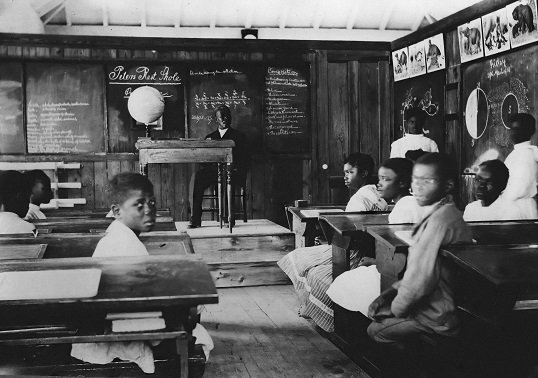
Educational systems play a crucial role in shaping the intellectual landscape of society by fostering the development of knowledge, critical thinking, and creativity among students. The primary purpose of education is to equip individuals with the skills necessary to navigate the complexities of the world. It enables learners not only to acquire information but also to develop the ability to think critically and solve problems. However, the structure of many educational systems can inadvertently impose limitations on free thought, particularly through standardized curricula and testing methods.
Structured curricula are often designed to ensure that all students achieve a set of learning objectives, but this can lead to a one-size-fits-all approach that stifles individual creativity and critical inquiry. In such systems, students may find themselves memorizing facts and formulas rather than exploring concepts in depth or engaging in meaningful discussions. This rote learning can hinder the development of original ideas and questioning attitudes that are essential for fostering intellectual independence.
Standardized testing further complicates the situation by creating high-stakes assessments that prioritize certain types of knowledge over others. The focus on test performance can lead educators to teach to the test, which may reinforce conformity and limit the exploration of diverse perspectives. As a result, students may be discouraged from engaging in critical analysis or questioning established norms, thus restricting their potential for innovative thinking.
In light of these challenges, it becomes imperative to assess how educational systems can evolve to better promote free thought. By examining the balance between necessary structure and the freedom to innovate, stakeholders can explore ways to nurture a more conducive environment for critical thinking and creativity. Addressing these concerns is essential if we aim to cultivate an educational framework that truly values and encourages free thought.
The Historical Context of Education
The evolution of educational systems is deeply interwoven with societal changes throughout history. In ancient civilizations, education served a primarily utilitarian function, designed to prepare young individuals for their roles within a specific social structure. For instance, in ancient Greece, the emphasis on rhetoric and philosophy fostered a culture of debate and critical thinking. However, as societies transitioned to more structured forms, such as medieval Europe, education became heavily influenced by religious institutions, which sought to control knowledge dissemination and maintain doctrinal orthodoxy. This shift significantly limited personal interpretation and free thought.
During the Enlightenment in the 17th and 18th centuries, a counter-movement emerged, advocating for reason, scientific inquiry, and intellectual freedom. Prominent thinkers, such as John Locke and Jean-Jacques Rousseau, emphasized the importance of nurturing individual thought and reasoning skills in education. This period laid the groundwork for modern educational philosophies, prompting the development of systems designed to foster critical thinking rather than rote memorization.
In the 19th century, the rise of industrialization brought about further transformations in educational practices. The introduction of mass schooling aimed to create a literate workforce that could fulfill the demands of an evolving economy. However, this often resulted in a one-size-fits-all approach to education, risking the suppression of diverse perspectives in favor of conformity.
As the 20th century progressed, educational systems increasingly recognized the importance of creativity and free thought. Progressive education movements, influenced by figures like John Dewey, began advocating for experiential learning and collaborative inquiry. Yet, despite these advancements, many contemporary educational systems still grapple with balancing standardized curricula against the need to nurture individuality and critical analysis.
Standardized Testing and Its Impact on Creativity
Standardized testing has become a cornerstone of educational systems across the globe. Instituted as a means to measure student performance and educational efficacy, these tests often focus predominantly on quantifiable outcomes. While proponents argue that standardized tests provide an objective measure of student capabilities, they may inadvertently stifle creativity and innovative thinking among learners.
The emphasis on preparing for standardized assessments compels educators to narrow their teaching efforts towards specific curricula that will enhance test performance. This narrowing of focus can lead to a homogenized educational experience where students are encouraged to memorize information rather than engage critically with diverse ideas. As a result, opportunities for creative exploration are minimized. When students are conditioned to think within the confines of test-based frameworks, their ability to recognize and investigate multifaceted perspectives often diminishes.
Moreover, the pressure to achieve high scores can induce significant stress, not only for students but also for teachers and educational institutions. This high-stakes environment may compel educators to prioritize teaching to the test over fostering an engaging, inquiry-based learning atmosphere. In turn, this creates a cycle in which creative thought is undervalued, and the exploration of innovative ideas is relegated to the background.
Critics argue that such a system of education breeds conformity rather than originality, promoting a culture where students may feel their best efforts to think outside the box are neither appreciated nor rewarded. Consequently, the reliance on standardized testing raises pertinent questions about the broader implications for education and the development of critical thinking skills, highlighting the pressing need for a paradigm shift that values creativity and innovation alongside measurable academic outcomes.
Curricula Limitations: Teaching to the Test
The educational landscape today often revolves around standardized assessments, significantly influencing the design and implementation of curricula. This phenomenon, frequently referred to as “teaching to the test,” has emerged as a dominant strategy within many educational systems. By narrowing the curriculum to focus predominantly on test preparation, educators may unintentionally hinder students’ intellectual curiosity and critical thinking skills, varying greatly from the original intent of fostering creativity and inquiry in learning.
The rigid structure of curricula aimed at ensuring maximum results in standardized tests prioritizes specific knowledge over a comprehensive understanding of subjects. Students are often trained to memorize specific facts and patterns deemed necessary for passing exams, while deeper exploration of concepts is largely overlooked. As a result, many students find themselves disengaged, as the material presented fails to spark interest or allow for the application of knowledge in practical contexts. This approach restricts the ability to question, analyze, and develop independent thought, essential components of a well-rounded education.
Moreover, the pressure to perform well on exams can foster an environment of stress, where students are more focused on grades than genuine understanding. Teachers, often constrained by tight curricular mandates, may feel obligated to sacrifice innovative teaching methods that promote exploration and critical inquiry. Consequently, the development of crucial skills such as problem-solving, collaboration, and creative thinking may be stunted, which are vital not only for academic success but also for navigating challenges in a rapidly evolving world.
The implications of such a model extend beyond the classroom, leaving students ill-prepared to engage with complex issues in their future endeavors. While accountability in education is crucial, there is an urgent need to reassess strategies that prioritize testing over substantive learning experiences. Educational systems should evolve to support curricula that encourage depth of understanding, critical engagement, and a lifelong love of learning—all fundamental aspects of true educational freedom.
The Role of Teachers in Promoting Free Thought
Teachers hold a significant position in shaping the intellectual landscape of their students and have the potential to either promote free thought or reinforce a culture of conformity. The teaching methods employed play a vital role in this dynamic. Strategies that encourage critical thinking foster independent thought processes, whereas those focusing on rote memorization tend to stifle creativity and individual expression.
For instance, educators who promote inquiry-based learning create an environment where students are encouraged to ask questions, explore various viewpoints, and draw their own conclusions. This kind of pedagogy empowers students to engage deeply with the material and develop their analytical skills. Activities such as group discussions, debates, and project-based assignments can stimulate curiosity and encourage learners to think outside the box.
Conversely, traditional teaching practices that emphasize standardized testing and memorization frequently reinforce conformity. In such settings, students might feel pressured to provide the “correct” answer instead of exploring alternative solutions or expressing divergent opinions. This approach can lead to a culture of compliance where students are conditioned to prioritize grades over genuine understanding, effectively limiting their ability to think freely.
Furthermore, the impact of a teacher’s attitude towards controversial topics cannot be overstated. Educators who approach complex issues with openness and encourage respectful discourse not only cultivate free thought but also equip students with crucial skills to navigate differing perspectives in broader societal contexts. On the other hand, if teachers dismiss or strictly regulate discussions around sensitive subjects, they may inadvertently send the message that critical engagement with ideas is unwelcome.
In essence, the educational approaches adopted by teachers profoundly influence whether students feel empowered to think freely or constrained within the limits of prescribed thought. The balance maintained between fostering creativity and adhering to structured learning is critical in developing independent thinkers capable of contributing innovatively to society.
Case Studies: Schools That Encourage Free Thought
Throughout the world, several educational institutions have adopted innovative approaches to foster free thought among their students. These examples serve as compelling case studies illustrating how alternative educational philosophies can yield positive outcomes.
One notable example is the Sudbury Valley School in Massachusetts, USA. This institution operates on the premise that students should have complete autonomy in their learning processes. At Sudbury, there are no formal classes or mandatory curricula; instead, students are free to pursue their interests at their own pace. This structure fosters an environment where learners are encouraged to think critically, explore diverse subjects, and develop a strong sense of responsibility and self-direction. The school’s success in nurturing independent thinkers has made it a model for those advocating for educational reform.
Another exemplary institution is Montessori schools, which are found worldwide. Based on the teachings of Dr. Maria Montessori, these schools emphasize hands-on, experiential learning. Educators guide rather than dictate the learning process, allowing students to make choices about their activities. This method promotes free thought by encouraging learners to ask questions, solve problems, and engage deeply with materials in a way that resonates with their individual learning styles. Research has shown that students in Montessori settings often excel in critical thinking and social skills, demonstrating the effectiveness of this approach.
Finally, the Free School movement, which originated in the 1960s, presents another powerful case for fostering free thought in education. Schools operating within this movement prioritize student interests and democratic involvement in school governance. By allowing children to have a say in their education, these schools cultivate an atmosphere of trust, creativity, and critical engagement. The outcomes have generally been positive, with many alumni citing their experiences as pivotal in developing their capacity for independent thought and action.
Consequences of Restricting Free Thought in Education
The restriction of free thought within educational systems poses significant long-term implications for both students and society. When educational environments discourage independent thinking, it stifles creativity and innovation among learners. Students, conditioned to avoid questioning accepted norms and doctrines, may develop a conformist mindset, undermining their natural curiosity and inhibiting the genesis of original ideas.
Furthermore, limiting the scope of intellectual exploration hampers problem-solving skills critical for personal and professional growth. Students trained in rigid frameworks may struggle to approach challenges with a multifaceted perspective. In real-world scenarios, where complex problems often require innovative solutions, the absence of free thought can result in ineffective decision-making and a reliance on obsolete methods.
Additionally, a lack of diverse viewpoints in educational settings can lead to a narrow, homogeneous understanding of issues that are fundamentally multifaceted. In contexts where students are not encouraged to engage in discussions or debates, critical thinking may stagnate. This stagnation not only affects the individuals but permeates into society, leading to a populace less equipped to tackle emerging global challenges.
In essence, the societal consequence of limiting free thought in education is a workforce that lacks the adaptability necessary for progress in a rapidly evolving world. An educational system that fosters a culture of inquiry and open-mindedness is essential for developing innovative leaders and thinkers who can navigate complex problems. Therefore, it is imperative for educators to cultivate an environment where free thought is encouraged, allowing students to contribute meaningfully to society.
Reforming educational systems is essential to fostering an environment that promotes free thought and encourages students to explore their individual creativity and critical faculties. One of the first steps in this transformation involves integrating creativity into the curriculum. Education should not merely be about rote memorization but should also involve creative expression through various subjects. For example, allowing more open-ended projects in subjects like science or mathematics can stimulate innovative thinking and prevent the stagnation encountered in traditional educational approaches. Creative assignments encourage students to engage with material in meaningful ways, prompting them to develop unique perspectives.
Additionally, enhancing critical thinking skills is vital for nurturing independent thought. Schools can implement instructional strategies that prioritize problem-solving and inquiry-based learning. By presenting real-world scenarios that require thoughtful analysis, students can practice evaluating information and making informed decisions. For instance, debates on topical issues not only enhance students’ understanding but also develop their ability to articulate their thoughts effectively, fostering a culture of open dialogue and respect for diverse opinions.
Another key factor in reforming educational systems is incorporating student choice into learning pathways. When students have a say in their education, they are more likely to engage with the material. Allowing them to select project topics, choose elective courses, or propose new ideas can lead to an increased ownership of their educational experience. Moreover, providing different avenues for assessment, such as portfolios or alternative projects, can cater to various learning styles and encourage students to express their thoughts and knowledge in ways that resonate with them.
Incorporating these reforms can create a more dynamic educational atmosphere that not only values knowledge but also prioritizes the development of free thought. Cultivating a culture of creativity, critical thinking, and student choice will lead to a generation of learners who are better equipped to navigate the complexities of modern society.
Conclusion: Balancing Structure and Freedom in Education
In the exploration of whether educational systems limit free thought, it has become evident that a careful balance must be achieved between structural requirements and the fostering of creative independence in students. Traditional educational systems are designed to provide a foundation of knowledge that establishes essential skills such as critical thinking, problem-solving, and effective communication. However, these very structures can inadvertently stifle creativity and original thought if they become excessively rigid or standardized.
Educational frameworks should not merely serve as a means of delivering content but must also adapt to encourage innovation amongst students. By allowing space for exploration, discussion, and inquiry, educators can create an environment that promotes free thought while adhering to necessary curricular standards. This synergy can enable learners to engage with material more profoundly, leading to a greater retention of knowledge and an ability to think outside conventional parameters.
Moreover, as the world rapidly evolves, particularly with advancements in technology and shifts in societal needs, the importance of fostering creative problem-solvers has never been greater. The ability to think independently and innovate is crucial for success in today’s complex and dynamic landscape. Hence, educational institutions must continually assess and reform their approaches to ensure they do not overly emphasize rote learning or conformity at the expense of individual expression and innovative thinking.
Ultimately, striking a balance between structure and freedom in educational systems is essential for cultivating well-rounded students. It is vital that educators, policymakers, and institutions actively seek to create curricula and environments that harmonize the foundational goals of education with the necessity for free thought, thereby preparing students to thrive in an ever-changing world.