



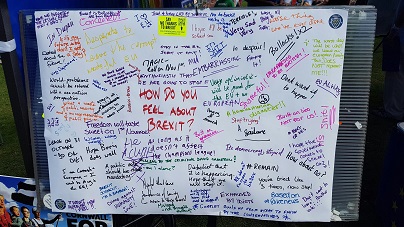
Public opinion is a critical element of a democratic society. It reflects the views, beliefs, and attitudes of the population on various issues, ranging from specific policies to broader political ideologies. This collective opinion has the power to shape government decisions and influence the direction of public policies. The significance of public sentiment cannot be overstated; it serves as a barometer for elected officials to gauge voter preferences and adjust their agendas accordingly.
The interplay between public opinion and government policies is facilitated through several mechanisms. One of the primary ways in which public sentiment influences policy decisions is through elections. Politicians, aware that they are accountable to their constituents, often tailor their platforms to align with the prevailing views of the electorate. Polling data, surveys, and focus groups are employed to understand the public’s stance on various issues, enabling policymakers to make informed decisions that reflect the electorate’s desires.
Furthermore, public opinion can manifest through grassroots movements, protests, and campaigns that seek to mobilize citizens around specific issues. Such activism can draw attention to particular policies or social changes, compelling the government to respond. Media coverage plays a crucial role in amplifying these movements, shaping public discourse, and informing citizens about critical issues. When public opinion shifts, it can create pressure on lawmakers to reevaluate existing laws or consider new initiatives, serving as a driving force behind policy changes.
In essence, public opinion is not merely a reflection of individual beliefs; it is a dynamic force that plays an integral role in the policymaking process. Understanding this relationship is vital for comprehending how governments operate in a democratic context and the importance of citizen engagement in shaping public policies.
The Role of Public Opinion Polls
Public opinion polls serve as a significant tool for understanding the sentiments, beliefs, and preferences of the populace. These polls gather data on various issues, from political affiliations to attitudes toward specific government initiatives. The process generally involves the systematic collection of responses from a sample of the population, which is then analyzed to reflect broader societal trends. The importance of public opinion polls lies in their ability to quantify public sentiment, providing a snapshot of how citizens feel about various issues at a given time.
The methodologies employed in conducting these polls can vary widely. Some common techniques include telephone interviews, online surveys, and face-to-face canvassing. Each method has its own advantages and disadvantages, particularly in terms of reach, cost, and the demographic representativeness of the sample population. For example, while telephone polls can provide quick results, they may miss certain demographics that are less likely to engage via phone. Conversely, online surveys can reach a younger audience but may suffer from biases due to unequal internet access.
Public opinion polls play a crucial role in shaping government policies. Policymakers often rely on these surveys to gauge the public’s stance on proposed legislation, helping them make informed decisions that reflect the will of the people. A notable example is the shift in public perception regarding health care reforms, where polls indicated increasing support for specific reforms, leading to significant policy changes. Moreover, during electoral campaigns, politician’s strategies may pivot based on polling data, further illustrating the profound impact of public opinion on governance.
Historical Examples of Public Opinion Shaping Policy
Throughout history, public opinion has played a pivotal role in shaping government policies across various nations. One notable example is the abolition of slavery in the United States. The growing abolitionist movement in the 19th century, driven by moral arguments and public advocacy, garnered significant support from diverse sectors of society. Activists such as Frederick Douglass and Harriet Tubman raised awareness through speeches and writings, influencing public sentiment and pressuring government officials to reconsider existing laws. This culminated in the passage of the 13th Amendment in 1865, which abolished slavery.
Similarly, during the Progressive Era (1890s to 1920s), public opinion significantly influenced reforms addressing social injustices and economic disparities. The women’s suffrage movement, driven by persistent activism and public engagement, ultimately led to the ratification of the 19th Amendment in 1920, granting women the right to vote. This landmark achievement illustrates how collective public sentiment can motivate significant legislative change and inclusivity in governance.
Another compelling instance is the environmental movement of the 1960s and 70s, which was marked by a rising public consciousness regarding pollution and conservation. The publication of Rachel Carson’s “Silent Spring” in 1962 galvanized the public and prompted widespread demands for environmental regulation. This surge in public advocacy led to the establishment of the Environmental Protection Agency (EPA) and the passing of significant legislation like the Clean Air Act and the Clean Water Act, reflecting how organized public opinion can direct governmental priorities toward environmental protection.
These historical examples underscore the profound impact that public opinion can exert on government policies, demonstrating that collective sentiments can lead to transformative legislative outcomes and significant societal advancements.
Media’s Influence on Public Opinion
The role of media in shaping public opinion is multifaceted and significant, particularly in the context of both traditional and social media. Traditional media outlets, including newspapers, television, and radio, have long been positioned as the primary means through which information is disseminated to the public. Journalists and editors play an essential role in curating news stories, selecting which events to cover, and framing issues in ways that can significantly influence public perception. This framing is crucial, as the way a story is presented can dictate how audiences interpret information and respond to various issues.
In contrast, social media platforms have revolutionized how information is shared and consumed. They provide individuals with a space to express opinions, share content, and engage with peers, which in turn can amplify certain narratives and foster a sense of community around specific viewpoints. However, the challenge with social media lies in the abundance of misinformation that often accompanies its rapid dissemination of information. Misinformation can skew public opinion, leading to misconceptions about important issues, which can ultimately influence governmental policy decisions.
The interplay between media and public opinion is further complicated by the emergence of echo chambers and filter bubbles on social media, where users are more likely to encounter perspectives that align with their pre-existing beliefs. This phenomenon can reinforce biases and polarize public opinion, making it increasingly difficult for policymakers to reach a consensus based on a fully informed citizenry. Therefore, understanding the mechanisms through which media shapes public opinion is critical for recognizing its influence on government policies.
Interest Groups and Advocacy
Interest groups and advocacy organizations play a pivotal role in shaping public opinion and influencing government policies. These entities represent a wide array of interests, from environmental protection to healthcare reform, and employ various strategies to mobilize public support. By harnessing the collective power of their members and supporters, these groups can effectively raise awareness about specific issues, thereby altering public perceptions and attitudes.
One of the primary functions of interest groups is to educate the public and policymakers about their particular causes. Through the dissemination of information, whether via social media campaigns, lobbying efforts, or public events, these organizations aim to shape the narrative surrounding their issues. For instance, by framing a matter in terms of societal benefit or economic necessity, interest groups can garner broader public backing, which, in turn, can compel policymakers to act in accordance with the expressed public sentiment.
Advocacy organizations often engage in grassroots mobilization, rallying supporters to participate in demonstrations, write letters to lawmakers, or engage in social media campaigns. Such actions create noticeable pressure on elected officials, prompting them to consider the viewpoints of their constituents. Additionally, lobbyists play a critical role by directly interacting with policymakers, providing them with analysis, expert opinions, and potential solutions related to specific legislative proposals. This personal relationship, often bolstered by substantial financial contributions, can significantly influence policy outcomes.
In summary, interest groups and advocacy organizations are crucial intermediaries in the policy-making process. By effectively mobilizing public opinion, shaping narratives, and applying pressure on policymakers, they not only enhance the democratic process but also ensure that diverse voices and interests are taken into account when crafting government policies.
Public Engagement and Participation
Public engagement is a cornerstone of democratic governance and plays a significant role in shaping governmental policies. It encompasses various avenues through which citizens can participate in the policymaking process. Town halls, public consultations, and grassroots movements are key mechanisms that empower individuals to voice their opinions, concerns, and suggestions directly to their elected representatives.
Town hall meetings serve as an effective platform for dialogue between government officials and the constituents they represent. These gatherings allow citizens to ask questions, express their views on various issues, and engage in discussions with policymakers. The feedback received during these sessions can influence decision-making and drive changes in government policies. Such participatory practices not only enhance transparency but also foster a sense of community involvement and ownership over local issues.
Similarly, public consultations are crucial in gathering input from a broader audience on specific policy proposals or legislation. Governments often organize these events to solicit opinions from the public, advocacy groups, and stakeholders. The data collected during these consultations are analyzed to understand public sentiment and preferences, which can subsequently guide policy formulation. This process ensures that policies are reflective of the needs and interests of the community, enhancing their relevance and effectiveness.
Grassroots movements also underscore the significance of civic involvement in influencing government policy. These movements often emerge around particular issues, mobilizing citizens to advocate for change. Through campaigns, demonstrations, and social media efforts, grassroots organizations can create a collective voice that challenges existing policies and demands accountability from decision-makers. The effectiveness of these movements illustrates how engaged and informed citizens can drive policy change and ensure that government actions align with public expectations.
Challenges in Measuring Public Opinion
Accurately measuring public opinion presents a myriad of challenges that can impact the reliability of the data collected. One of the significant issues is potential bias in polling methods. Different polling organizations may utilize various techniques, leading to discrepancies in results. For instance, telephone surveys can exclude those without mobile devices or those who do not answer calls from unfamiliar numbers, potentially skewing the sample towards demographics more likely to respond. Online surveys, while increasingly popular, face similar issues as they often disproportionately represent individuals with better access to technology and the internet.
Another complicating factor is the influence of demographic characteristics, such as age, gender, education, and socioeconomic status. These factors can shape the opinions of respondents, leading to variations in perspectives across different groups. For example, younger individuals may prioritize climate change more than older populations, who may have other pressing concerns. Additionally, the way questions are worded can introduce biases, as leading or vague questions may affect how respondents interpret and respond to them, further complicating how public sentiment is gauged.
Moreover, the limitations of sampling methods pose another significant challenge in public opinion research. Sampling techniques determine which segments of the population are included in surveys, and non-random sampling can lead to overrepresentation or underrepresentation of certain groups. For example, a survey that primarily targets urban residents may neglect the opinions of those living in rural areas, thereby failing to provide a comprehensive view of public sentiment. Consequently, these challenges necessitate careful consideration when interpreting survey results and understanding their implications for government policies.
The Future of Public Opinion and Policy Making
The relationship between public opinion and government policies is evolving rapidly, driven by various factors including technological advancements and social changes. One notable trend is the emergence of social media as a prominent platform for discourse. With billions of users actively engaging on social networks, public opinion can be formed, shared, and amplified at an unprecedented speed. This instant connectivity allows citizens to not only express their views but also organize collective actions, potentially influencing legislative agendas in real-time.
However, the rise of social media also presents challenges. The prevalence of misinformation and echo chambers can skew public perception, leading to increased polarization. As citizens gravitate towards platforms that reinforce their beliefs, the once-unifying aspects of public opinion become fractured. This environment complicates the government’s ability to gauge true public sentiment and leads to policy decisions that may cater to specific groups rather than the broader populace.
Moreover, advancements in technology such as artificial intelligence and data analytics are set to further impact the public opinion landscape. Governments and policymakers are increasingly utilizing these tools to analyze public sentiment through social media, surveys, and other digital interactions. Such technologies might provide more nuanced insights into public preferences, though they also raise questions regarding privacy and ethical considerations in data usage.
In future policy-making, the balance between leveraging public opinion and addressing its potential biases will be critical. As the dynamics of public discourse evolve, active participation from citizens, combined with thoughtful regulation of digital platforms, will be essential to ensure that government policies reflect a well-informed and representative public opinion. Engaging with these trends thoughtfully may help create a more inclusive and responsive governance structure in the coming years.
Conclusion: The Power of Public Opinion
Throughout the discussion, we have examined the significant influence of public opinion on government policies. Public sentiment plays a crucial role in shaping the actions and decisions made by governments, as elected officials often seek to align their policies with the preferences of their constituents. This dynamic interaction between citizens and their government underscores the importance of public engagement in a democratic system.
Importantly, the manifestation of public opinion can take various forms, including opinion polls, public protests, and social media campaigns. Each of these channels enables citizens to express their views, ensuring that diverse perspectives are considered in the policymaking process. As a result, government officials must remain attentive to the prevailing sentiments of the public to maintain legitimacy and uphold their commitment to democratic governance.
This ongoing interplay highlights the vital role that informed and active citizens play in shaping government policies. By participating in discussions, advocating for issues, and voting in elections, individuals contribute to an environment where public opinion can influence policy decisions. Therefore, fostering an informed and engaged citizenry is essential to the health of democratic institutions.
In conclusion, the power of public opinion cannot be overstated. It serves as a barometer for governance, reflecting societal values and priorities while holding leaders accountable. Governments that actively seek out and respond to public sentiment are better positioned to implement policies that resonate with the population, ultimately leading to a more robust and responsive democratic system.