



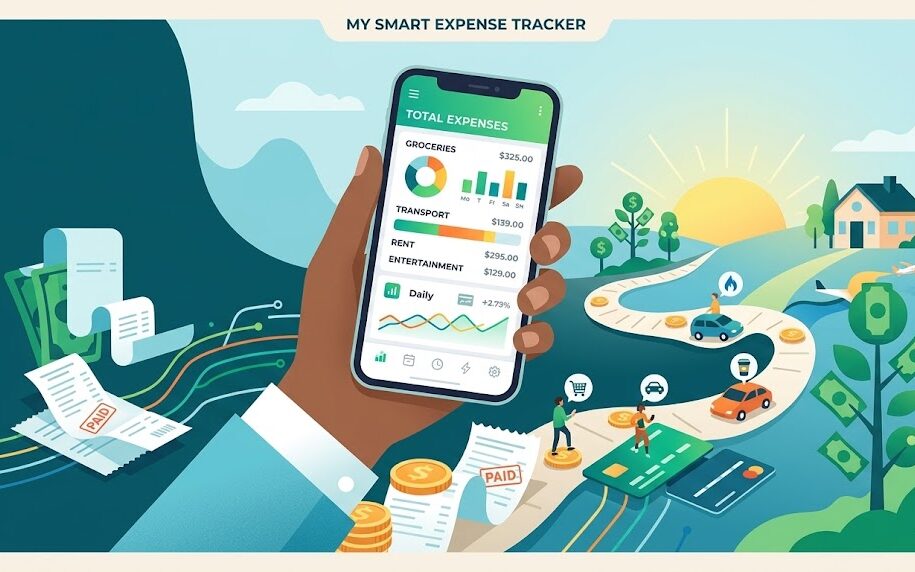
Expense tracking is a fundamental practice in personal finance management that significantly aids individuals in comprehensively understanding their financial habits. By diligently monitoring where money is spent, individuals are empowered to gain insight into their spending patterns, which serves as a foundation for more informed financial decision-making.
One of the primary benefits of tracking expenses is its positive impact on budgeting. When individuals have a clear view of their spending, they can create more accurate and realistic budgets. This insight allows for better allocation of funds for essential expenses while identifying areas where unnecessary expenditures can be trimmed. Such budgetary discipline can facilitate increased savings, ensuring that individuals are not just living paycheck to paycheck but are building a financial cushion for future needs.
Moreover, effective expense tracking can play a vital role in preventing debt accumulation. By identifying spending habits that lead to overspending, individuals can take proactive measures to curb unnecessary expenses. This preventive approach diminishes the risk of falling into debt, fostering a sense of financial security and stability. Additionally, monitoring expenses allows individuals to set achievable financial goals, which can range from saving for a vacation to planning for retirement.
Finally, understanding the importance of expense tracking contributes to improved financial literacy. As individuals become more aware of their spending habits, they are better prepared to identify trends and adjust their financial behavior accordingly. This awareness not only enhances one’s ability to manage current finances but also lays the groundwork for a more secure financial future.
Choosing the Right Tools for Expense Tracking
Effectively tracking expenses is fundamental for personal finance management, and choosing the right tools can significantly influence one’s ability to maintain financial discipline. There are several options available for tracking expenses, ranging from traditional methods to advanced digital solutions.
One of the most straightforward approaches is to use a pen and paper. This traditional method allows users to jot down every expense as it occurs, providing a tangible way to monitor spending. However, this method can be labor-intensive and may lack the organizational efficiency that many individuals require. For those who prefer technology, using spreadsheets can be a viable alternative. Programs like Microsoft Excel or Google Sheets enable users to create customized expense trackers. They offer flexibility in formatting and allow for complex calculations, which can reveal insightful trends over time. Nevertheless, spreadsheets require a certain level of technical proficiency, and maintaining them can be time-consuming.
In recent years, budgeting apps have gained popularity due to their user-friendly interfaces and automated features. Applications such as Mint or YNAB (You Need A Budget) link directly to bank accounts and offer real-time tracking of expenses, making it easier to categorize and analyze spending patterns. These tools can be particularly beneficial for users seeking streamlined expense management. On the downside, potential users should consider the subscription costs and the necessity for internet access to utilize these apps fully.
Expense management software also offers robust solutions for both individuals and businesses. These programs often include features such as receipt scanning, financial reporting, and integration with other software tools. They are designed for those who need a comprehensive approach to monitoring finances. However, their complexity can be overwhelming for users with simpler needs.
Ultimately, the right expense tracking tool depends on individual preferences, the complexity of one’s finances, and desired features, allowing users to maintain better control over their spending habits.
Setting Up Your Expense Tracking System
Establishing an effective expense tracking system is crucial for maintaining financial health. The first step involves setting clear financial goals. Consider what you wish to achieve in both the short and long term. Whether it is saving for a vacation, paying off debt, or building an emergency fund, having defined objectives will guide your tracking process.
Next, categorize your expenses. This can be accomplished by dividing your spending into essential categories such as housing, utilities, groceries, transportation, and entertainment. Using categories not only simplifies analysis but also aids in identifying areas where adjustments can be made to achieve your financial goals. Additionally, be adaptable; as your financial situation evolves, your categories and expenses may need restructuring.
Choosing a tracking frequency is another important consideration. Depending on your preferences, you may opt for daily, weekly, or monthly tracking. Daily tracking can provide immediate insight into spending habits, while monthly tracking may give a broader perspective on financial patterns. Whichever frequency you choose, ensure it aligns with your lifestyle and remains manageable.
Consistency is key to the success of an expense tracking system. Develop a routine that makes tracking effortless—whether it is setting aside a specific time daily or weekly to review your expenses or using applications designed for tracking finances. Staying committed to your chosen method is vital for long-term discipline. Regularly revisiting your financial goals and adjusting your strategies accordingly will help in realizing your objectives.
Ultimately, an effective expense tracking system empowers individuals to make informed financial decisions, leading to improved budget management and enhanced financial literacy.
Analyzing Your Expenses and Making Adjustments
To effectively manage your finances, regularly analyzing your tracked expenses is essential. This process enables you to gain insights into your spending habits and identify areas where improvements can be made. Start by categorizing your expenses into fixed costs, such as rent and utilities, and variable costs, like dining out or entertainment. This distinction will help you pinpoint where most of your money is going each month.
Once you have categorized your expenses, take time to review the data. Look for patterns in your spending. Are there recurring charges that seem unusually high? Could any subscriptions, such as streaming services or gym memberships, be unnecessary? Identifying these costs can lead to adjustments that will benefit your overall budget. Consider researching alternative options that might offer similar benefits at a lower price or even style your spending habits based on your financial goals.
Prioritizing your expenses is also critical. Determine which expenditures are essential for your daily life and which are discretionary. A clear distinction between necessary and optional expenses allows for more informed decision-making regarding budget cuts or reallocating funds to more significant financial goals, such as saving for a vacation, investing, or paying down debt.
After analyzing and prioritizing your expenses, it is time to adjust your budget accordingly. Set realistic spending limits based on your findings, ensuring they reflect your financial objectives. For instance, if dining out frequently emerges as a significant expense, consider establishing a monthly limit to reduce spending while still enjoying meals outside occasionally. Continuous evaluation and adjustment of your budget will foster sustainable financial habits, ultimately leading to improved fiscal management.