



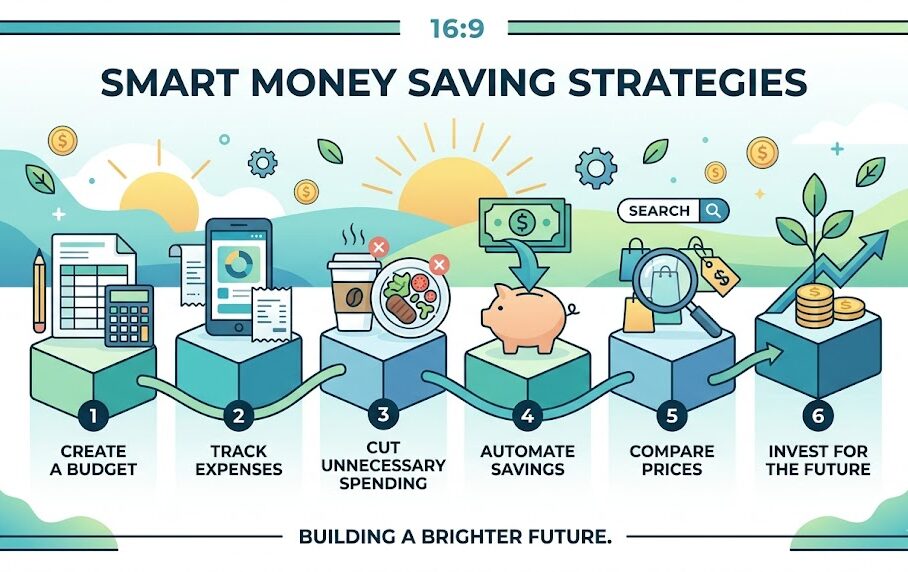
As we navigate through the year 2026, the global economic landscape presents numerous challenges and opportunities for consumers. Rising costs, coupled with persistent inflation, have intensified the need for individuals to adopt effective money saving strategies. With essential goods and services becoming increasingly expensive, finding ways to minimize expenses has never been more critical.
Money saving strategies hacks are innovative tactics and approaches that empower individuals to optimize their financial resources. In an age where every penny counts, these strategies serve not merely as frugal alternatives but also as pathways to enhance overall financial health. By carefully examining spending habits and exploring practical solutions, consumers can take proactive measures to stretch their budgets further.
In addition to securing immediate savings, these hacks play a crucial role in cultivating a mindset geared towards smarter financial decision-making. Developing a comprehensive understanding of personal finance allows individuals to make informed choices that align with their long-term objectives. By freeing up resources through money-saving strategies, consumers can redirect their finances towards savings, investments, and emergency funds, which are essential for a secure financial future.
Moreover, in 2026, the proliferation of digital tools and technologies enables consumers to implement these hacks with unprecedented ease and convenience. From budgeting apps to price comparison websites, individuals are equipped with powerful resources to help them navigate this complex financial terrain. Ultimately, embracing money-saving hacks can instill a sense of control over one’s financial destiny, fostering resilience in the face of economic unpredictability.
Embracing Technology for Financial Management
In 2026, technological advancements have significantly transformed the landscape of financial management, making it more accessible and efficient than ever before. A key component of this evolution can be seen in the proliferation of budgeting apps that help individuals manage their finances with ease. These user-friendly applications provide intuitive interfaces, allowing users to create budgets, monitor spending habits, and identify areas for improvement. Users can categorize expenditures and set parameters for various budget lines, effectively aiding in disciplined financial behavior.
Automated savings tools have also gained traction, empowering individuals to save more effortlessly. These tools often operate by analyzing spending patterns and automatically transferring funds from checking accounts to savings accounts whenever specific criteria are met. By doing so, users can cultivate a habit of saving without the need for manual intervention. Such seamless integration encourages individuals to focus on financial goals, whether it be saving for a vacation, a home, or retirement.
Furthermore, financial tracking software has emerged as a powerful resource for maintaining an overview of one’s financial health. Through real-time analytics, users can receive instant insights into their expenses, income, and overall savings. Many of these software platforms integrate with bank accounts and credit cards, thus providing a comprehensive view of an individual’s financial status. This connectivity not only simplifies tracking spending but also enhances the capacity for informed decision-making regarding future investments and expenditures.
In light of these technological innovations, embracing these tools in 2026 can significantly simplify the management of personal finances. The combination of budgeting apps, automated savings tools, and financial tracking software provides a holistic approach to budgeting, empowering users to develop healthier financial habits and achieve their financial objectives with confidence.
Creative Ways to Cut Daily Expenses
In today’s fast-paced world, managing daily expenses effectively has become a necessity. With the growing availability of various services and products, individuals can leverage creative strategies to reduce their financial outlays. One effective method is to adopt unique shopping strategies, such as utilizing bulk purchasing. Buying staples like rice, pasta, or cleaning supplies in bigger quantities can lead to significant savings over time. Additionally, collaborating with friends or family for group purchases not only maximizes savings through discounts but also fosters a sense of community.
Another approach is to wisely utilize subscription services. Many individuals subscribe to multiple services, but analyzing which ones genuinely add value is essential. By prioritizing essential subscriptions and eliminating redundant ones, it is possible to streamline expenses. For instance, if multiple video streaming services are in use, consider whether all are necessary, or if a single service could provide the desired entertainment.
Taking advantage of cashback deals is another prudent tactic. Numerous apps and websites offer cashback for purchases made at affiliated retailers. This can apply to groceries, dining, and online shopping. By integrating cashback offers into routine purchases, consumers can effectively lower their overall spending. Furthermore, comparison shopping ensures that you are always getting the best deal possible. Using price comparison tools helps find lower prices across different retailers, minimizing spending without sacrificing quality.
Finally, exploring alternatives to traditional services can lead to notable cost reductions. For example, opting for homemade meals instead of frequent dining out can boost both health and finances. Additionally, looking into community-based services can provide affordable options for entertainment and activities. Overall, adopting these innovative strategies can help individuals cut daily expenses significantly while maintaining their preferred lifestyles.
Long-Term Money-Saving Strategies
Adopting long-term money-saving strategies is crucial for fostering financial stability in the current economic climate. One of the most effective strategies involves investing in sustainable options. Sustainable investing not only benefits the environment but can also yield substantial financial returns over time. By reallocating funds into green technologies or ethical stocks, investors are positioning themselves favorably in markets that are increasingly leaning towards sustainability. This approach requires research and understanding but can pay off significantly as sustainable industries mature and grow.
Another essential aspect of long-term savings is establishing an emergency fund. This fund serves as a financial buffer, providing peace of mind and security in unpredictable times. Ideally, one should strive to set aside three to six months’ worth of living expenses. Such a fund not only protects against immediate financial setbacks but also encourages disciplined money saving strategies behavior. Automated transfers to a high-yield savings account can facilitate this process, making it easier to build wealth without the temptation to spend.
Additionally, nurturing financial literacy is a cornerstone of effective money management. Understanding the principles of budgeting, investing, and credit management equips individuals with the skills needed to make informed decisions. It enables people to navigate complex financial landscapes, encouraging proactive rather than reactive measures to their finances. Workshops and resources can be invaluable in enhancing one’s financial education, thus empowering individuals to take control of their financial futures.
In conclusion, incorporating these long-term money saving strategies is invaluable in achieving lasting financial independence and security. By focusing on sustainable investments, establishing an emergency fund, and prioritizing financial literacy, individuals can create a robust financial foundation that supports their goals for years to come.